
Shrubs
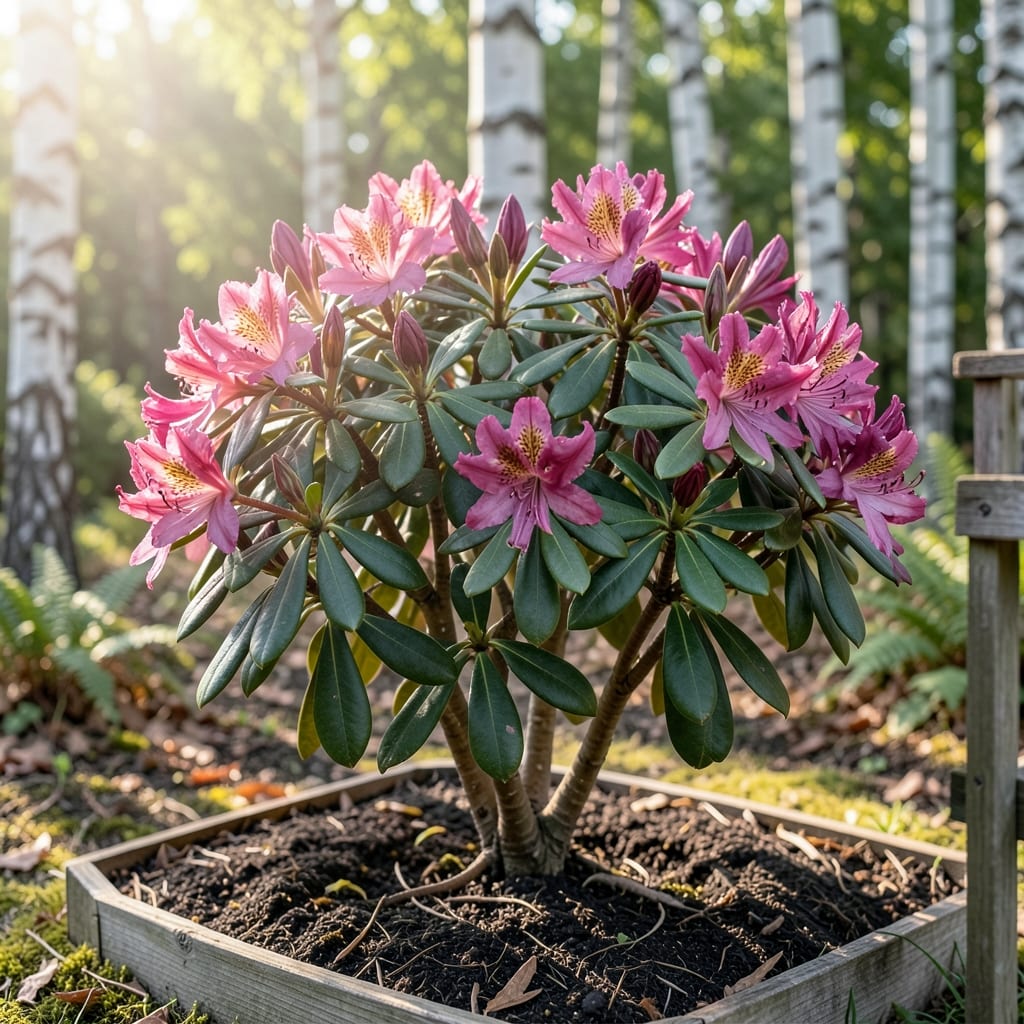
If you’ve ever wondered how tall azaleas do they grow, the answer depends on more than just luck. Some varieties barely reach your waist, while others tower over your porch—making the difference between a low-maintenance border plant and a pruning project that requires a ladder.
For home gardeners in USDA Zone 6a, choosing the right azalea isn’t just about color—it’s about height. Dwarf varieties like 'Girard’s Hybrid' stay compact at 1-3 feet, perfect for window boxes or small gardens, while standard types can soar to 6-12 feet, demanding space and strategic pruning. The good news? You’re in control.
Pruning isn’t just for shaping—it’s the game-changer for managing height. A little trimming after flowering can keep your azaleas from outgrowing their spot, while neglect turns a charming shrub into an unruly giant. I’ll break down the exact techniques to keep your 🌸 azaleas at your ideal height, whether you want them as a privacy screen or a pretty accent plant.
Ready to plan your garden with confidence? Let’s dive into the heights, varieties, and pruning secrets that’ll keep your azaleas looking their best—without the surprises.


Azalea height by variety: from dwarf to giant species explained
Azaleas are stunning ornamental shrubs, but their mature height can vary dramatically depending on the variety. If you're planning your garden layout, knowing these height ranges will help you space plants properly and avoid overcrowding. Whether you want a compact azalea for containers or a tall specimen as a focal point, the right choice depends entirely on your space and design goals.
Most azaleas fall into three main height categories: dwarf varieties (1–3 feet), semi-dwarf varieties (3–6 feet), and standard varieties (6–12 feet). The difference isn’t just in size—it’s also in growth habits, bloom density, and even pruning needs. Let’s break down the most popular types so you can pick the perfect fit for your garden.
| Variety | Type | Mature Height | Best For |
|---|---|---|---|
| 'Girard’s Hybrid' | Evergreen | 3–6 ft | Foundation plantings, borders |
| 'Encore' | Deciduous | 3–5 ft | Containers, small gardens |
| 'Rhododendron' | Evergreen | 6–12 ft | Privacy screens, large landscapes |
| 'Dwarf Korean' | Evergreen | 1–2 ft | Window boxes, rock gardens |
| 'Knock Out' | Semi-dwarf | 3–4 ft | Mass plantings, low-maintenance gardens |
Dwarf azaleas like the 'Dwarf Korean' are perfect if you’re working with limited space. These varieties stay under 2 feet tall and thrive in containers, making them ideal for patios, balconies, or even as accent plants in window boxes. Their compact size also means they require less pruning, which is great for busy gardeners.
On the other end of the spectrum, standard azaleas like the 'Rhododendron' variety can reach heights of 10–12 feet. These are best suited for large gardens, privacy screens, or as focal points in landscape design. If you choose a tall azalea, be prepared for regular pruning to maintain its shape and control its spread.
For a middle-ground option, semi-dwarf varieties like 'Knock Out' azaleas offer the best of both worlds. They typically grow to 3–6 feet tall and are incredibly versatile, blooming repeatedly throughout the season. These are excellent choices for foundation plantings, borders, or even as standalone shrubs in mixed gardens.
When selecting an azalea, also consider its growth rate. Dwarf varieties may take 2–3 years to reach their mature height, while taller varieties can grow 1–2 feet per year under ideal conditions. If you’re impatient for color, opt for a faster-growing variety like 'Girard’s Hybrid', which can fill out quickly and provide stunning blooms within a few seasons.
One final tip: Always check the USDA hardiness zone for your azalea variety. Most azaleas thrive in zones 5–9, but some dwarf varieties are more cold-hardy and can survive in zone 4. Matching your climate to the plant’s hardiness ensures healthier growth and fewer surprises down the road.
Ready to pick the perfect azalea for your space? Start by measuring your garden beds and containers, then choose a variety that fits your height goals and maintenance preferences. With the right selection, you’ll enjoy vibrant blooms for years to come!
How pruning affects azalea height: when, how, and why to trim
Pruning isn’t just about shaping your azaleas—it’s the secret weapon for controlling their height. If left unchecked, even dwarf varieties can grow taller than expected, while standard azaleas may sprawl uncontrollably. The key is timing: prune at the right moment, and you’ll encourage bushier growth and shorter stature. Get it wrong, and you might stunt blooms or invite pests. Let’s cut to the chase with the essentials.
Most azaleas bloom on old wood, meaning their flowers form on stems from the previous year. This means you should never prune after mid-summer—doing so risks removing next year’s flower buds. Instead, aim to prune right after blooming (typically May or June in most climates) to shape the plant without sacrificing next season’s 🌸 blooms.
For height control, focus on trimming the top third of the plant to encourage branching lower down. Use clean, sharp pruners to make cuts just above a leaf node or bud, angled slightly away from the branch. This encourages new growth in the right direction. Avoid shearing (cutting evenly across the top), as this can create a flat, unnatural shape and reduce flowering.
If your azalea is already too tall, don’t panic—you can still manage it. Start by removing 1/3 of the plant’s height in stages over 2–3 years to avoid shocking the shrub. For example, if your 6-foot azalea needs to be 3 feet tall, trim back 1 foot per year until you reach your goal. Always prune in early spring or right after flowering for best results.
Tools matter too! Use bypass pruners for clean cuts on smaller branches and loppers for thicker stems. Sterilize your tools with rubbing alcohol between cuts to prevent spreading disease. And never use hedge trimmers—they can tear branches and leave jagged edges that invite pests.
After pruning, give your azalea a little extra care. Water deeply to help it recover, and avoid fertilizing until new growth appears. Mulch around the base to retain moisture and protect roots. With the right pruning routine, you’ll keep your azaleas at the perfect height—whether you want them as a low border or a tall privacy screen. 🌿