
Companion Plants
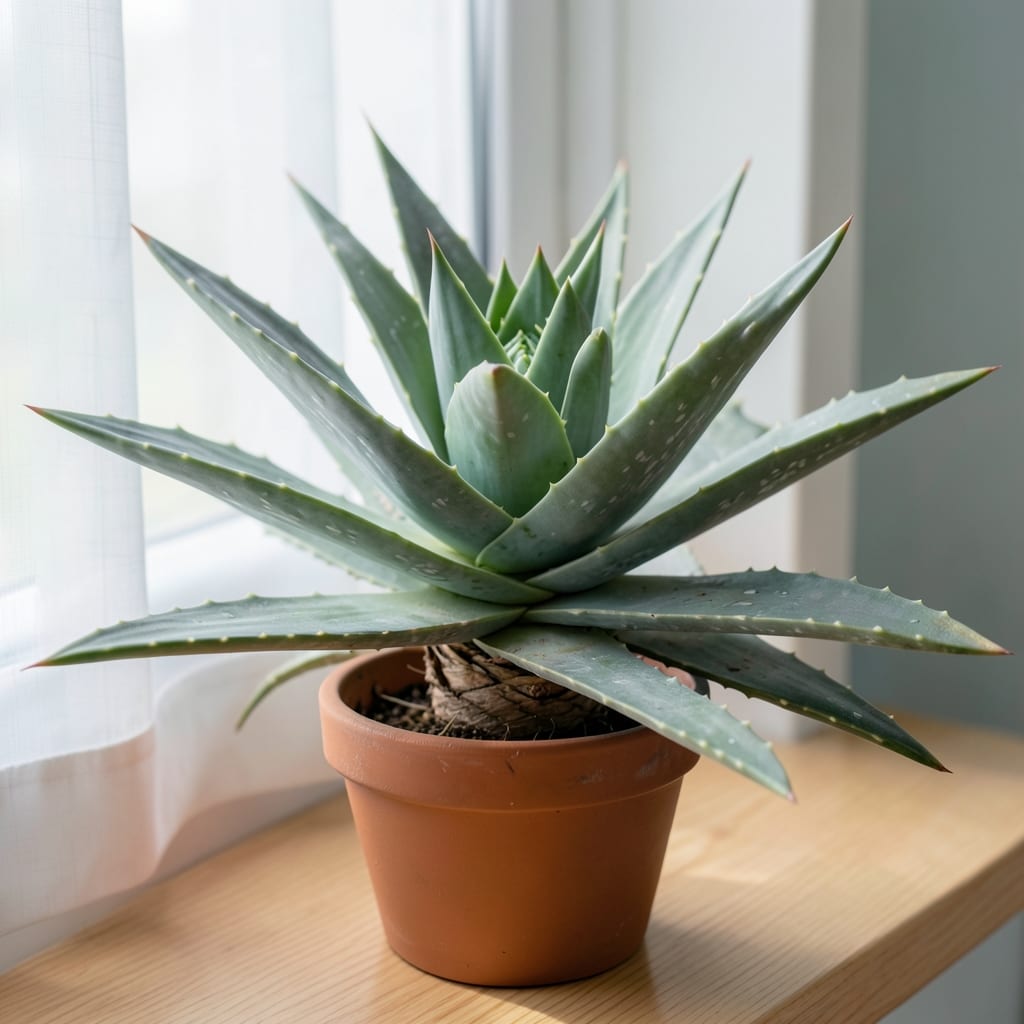
Ideal light requirements for aloe vera growth: sunlight spectrum breakdown
Aloe vera thrives under bright, indirect sunlight to direct sun exposure, but finding the perfect balance is key. Native to arid climates, aloe plants need at least 6 hours of sunlight daily to maintain their vibrant green color and robust growth. Too little light leads to leggy, weak stems, while excessive direct sun can cause leaf burn or crispy edges.
In their natural habitat, aloe plants grow under the intense African sun but with some shade from other vegetation. Mimicking this environment indoors or outdoors ensures your plant stays healthy. For indoor aloe care, a south-facing window is ideal, providing filtered sunlight that prevents harsh UV damage while meeting their light needs.
Outdoors, aloe plants can handle full sun exposure in most climates, especially in USDA zones 8-11. However, during peak summer months, providing partial shade (especially in zones 7 and below) helps prevent sunburn. Aloe plants are drought-tolerant but still need adequate light to produce the gel-rich leaves we love.
| Light Type | Daily Hours Needed | Best For | Signs of Deficiency |
|---|---|---|---|
| Bright Indirect Light | 6+ hours | Indoor aloe | Leggy growth, pale leaves |
| Direct Sunlight | 6-8 hours | Outdoor aloe | Brown leaf tips, crispy edges |
| Partial Shade | 3-4 hours | Hot climates (summer) | Slow growth, weak stems |
| Low Light | <2 hours | Avoid entirely | Yellowing, etiolated leaves |
The photosynthesis efficiency of aloe vera peaks under bright, direct sunlight, but the plant’s thick, waxy leaves protect it from excessive heat. In indoor settings, place your aloe within 3 feet of a south-facing window to ensure it receives enough light. If you notice stretched-out leaves, it’s a clear sign your plant needs more light—consider rotating the pot for even exposure.
Seasonal adjustments are crucial. During winter months, when sunlight is weaker, supplement with a grow light if natural light falls below 4 hours daily. In summer, watch for signs of heat stress, such as yellowing leaf tips, and provide afternoon shade to protect your aloe. This balance ensures your plant stays vigorous and healthy year-round.
For outdoor cultivation, choose a spot with morning sun and afternoon shade to avoid the harshest rays. Aloe plants can tolerate up to 10 hours of sunlight in cooler climates, but in hot, dry regions, reduce exposure to 4-6 hours daily to prevent leaf scorch. Always monitor your plant’s response to its environment and adjust accordingly.
If you’re growing aloe in a greenhouse or conservatory, ensure proper ventilation to prevent high humidity, which can lead to rot or fungal issues. Aloe vera prefers dry, arid conditions, so even with ample light, maintain low humidity levels for optimal growth. Pair this with well-draining soil to replicate its natural habitat.
One common mistake is assuming all succulents need full sun. While aloe vera loves light, it’s not as sun-tolerant as cacti. Over time, excessive sun can cause permanent damage to the leaves, reducing their medicinal properties. Always introduce your aloe to new light conditions gradually—a process called hardening off—to avoid shocking the plant.
For indoor growers, consider using a south-facing window with sheer curtains to diffuse harsh light while still providing the bright indirect light aloe craves. If your home lacks natural light, invest in a full-spectrum LED grow light to bridge the gap. Place the light 12-18 inches above the plant and provide 12-14 hours of light daily to mimic natural sunlight cycles.
Remember, the goal is to mimic aloe’s natural environment—bright, sunny, and dry. With the right light exposure, your aloe will reward you with thick, gel-rich leaves and a compact, bushy growth habit. Start by assessing your plant’s current light conditions and make adjustments based on the signs it’s giving you. 🌵
How to adjust light conditions for indoor vs. outdoor aloe plants
Adjusting light for your aloe plant depends entirely on whether it lives indoors or outdoors. Indoor aloe thrives near south-facing windows where it gets bright indirect light for 6+ hours daily. If your home lacks natural light, a grow light placed 12-18 inches above the plant can mimic sunlight perfectly. Rotate the pot weekly to prevent uneven growth from leaning toward the light source.
For outdoor aloe plants, morning sun paired with afternoon shade works best in hot climates. In cooler regions, they can handle full sun exposure (8+ hours). Use shade cloths (30-50% coverage) during peak summer to prevent leaf burn. If your aloe develops crispy edges, it’s getting too much direct sun—move it to a slightly shadier spot immediately.
📍 South-facing window
⏰ 6+ hours bright light
✅ Use sheer curtains
⚠️ Avoid north-facing windows
☀️ Morning sun + afternoon shade
🌡️ 6-8 hours max in heat
🛡️ Use 30-50% shade cloth
❄️ Full sun in cooler climates
If your indoor aloe starts looking leggy or stretched, it’s not getting enough light. Move it closer to the window or supplement with a LED grow light. For outdoor plants, watch for yellowing leaves in winter—this means they need more sun. In USDA zones 7 and below, bring potted aloe indoors before frost or use a frost cloth to protect it during cold snaps.
Seasonal transitions require extra attention. In spring and fall, when days are shorter, indoor aloe may need a grow light to maintain 6+ hours of light. Outdoors, spring planting should happen after the last frost (April 15 in most zones) to avoid cold damage. Always harden off indoor aloe before moving it outside by gradually increasing sun exposure over 1-2 weeks.
For container gardening, choose pots with drainage holes and use a well-draining cactus mix. Overcrowded roots compete for light, so repot every 2-3 years. If your aloe’s growth slows, it might need more nutrients—use a balanced fertilizer (2-7-2) in spring but avoid over-fertilizing, which can burn roots in low-light conditions.
Remember, aloe vera is sun-loving but not sun-hungry. The key is balance—too little light weakens the plant, while too much causes stress. Observe your aloe’s leaf color and growth pattern to fine-tune its light exposure. With the right adjustments, your aloe will stay compact, vibrant, and healthy year-round. 🌵