
How To
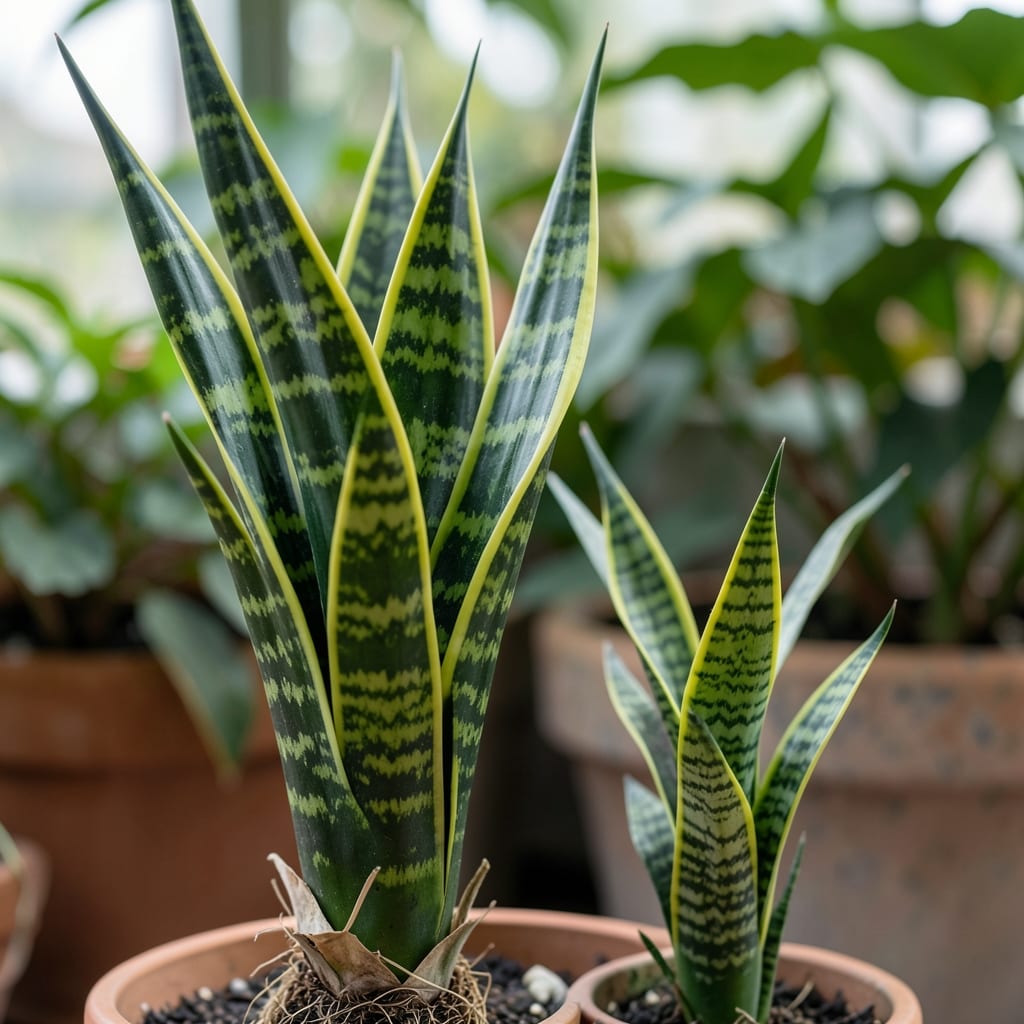
If you’ve ever wondered how tall a snake plant can grow 🌱, you’re not alone. This hardy succulent can surprise even seasoned plant parents with its growth potential—some varieties stay compact, while others stretch toward the sky.
The answer depends on more than just luck. Your snake plant’s height is shaped by its variety, care routine, and environment. Whether you’re dealing with a Moonshine that stays under 2 feet or a Futura Superba that can hit 10 feet in ideal conditions, understanding these factors is key to managing its growth.
Light exposure, pot size, and even how often you water play a bigger role than you might think. Too much shade? Your plant will grow slower. Too much water? It might focus on survival instead of stretching upward. Let’s break down exactly what influences your snake plant’s height—and how you can guide it to reach its full potential.
From dwarf varieties perfect for small spaces to towering giants that need room to grow, we’ll cover everything you need to know. Whether you’re a beginner or a plant enthusiast, you’ll learn how to nurture your snake plant for the perfect height—no matter your space or goals.

Snake plant height by variety: from compact to floor-filling giants
Snake plants (Sansevieria trifasciata) are famous for their dramatic height variations—some stay small enough for a nightstand while others become floor-filling statements. The variety you choose determines your plant's eventual height, with some reaching nearly 10 feet under perfect conditions. Let’s break down the most popular types and their mature sizes so you can pick the perfect fit for your space.
Most snake plants grow vertically in clumps, sending up new shoots from their base. This means a single plant can eventually become a dense cluster of 5-10 stems, multiplying its height potential. For example, a 3-foot-tall Laurentii might actually be three separate plants growing together!
Here’s a quick look at how your snake plant’s height compares to everyday objects: a standard bookshelf (4 ft) is roughly the height of a mature Futura Superba, while a compact Hahnii (1 ft) fits perfectly on a desk. Understanding these benchmarks helps you visualize growth before it happens.
🌱 Snake Plant Varieties by Height
| Variety | Mature Height | Growth Rate | Best For |
|---|---|---|---|
| Sansevieria Hahnii (Bird’s Nest) | 1–2 ft | Slow (1–2 in/year) | Desks, shelves, terrariums |
| Sansevieria Moonshine | 2–3 ft | Moderate (3–4 in/year) | Corner plants, small rooms |
| Sansevieria Laurentii (Variegated) | 3–4 ft | Moderate (4–6 in/year) | Living rooms, hallways |
| Sansevieria Futura Superba | 4–6 ft | Fast (6–8 in/year) | Large spaces, statement plants |
| Sansevieria Zeylanica | 1–3 ft | Slow (1–3 in/year) | Bonsai-style, small pots |
| Sansevieria cylindrica | 6–10 ft | Very fast (8–12 in/year) | Outdoor gardens, large containers |
Note: Heights vary by growing conditions—indoor plants rarely reach outdoor maxima.
The Hahnii variety is the ultimate space-saver, perfect for tiny apartments or offices where floor space is limited. Its rosette-like growth habit keeps it low to the ground, making it ideal for terrariums or hanging baskets. Meanwhile, the cylindrica can become a small tree in the right conditions, thriving outdoors in warm climates.
If you’re growing snake plants indoors, expect slower growth compared to outdoor conditions. A Laurentii might max out at 3 feet inside but could double in height outside with abundant sunlight and space. The key difference? Light intensity and root expansion opportunities.
Pro tip: Check the leaf width when selecting a variety—thicker leaves (like Futura Superba) often correlate with faster vertical growth. For example, the 1-inch-wide leaves of Moonshine grow taller more quickly than the ½-inch leaves of Hahnii.
Some gardeners mistakenly assume all snake plants grow the same height. In reality, the difference between a 2-foot Hahnii and a 10-foot cylindrica is genetic. Even with perfect care, a Hahnii won’t suddenly sprout to 6 feet—its compact genes are hardwired. Knowing your variety’s inherent growth potential helps you set realistic expectations.
For those with limited ceiling height, dwarf varieties like Hahnii or Zeylanica are game-changers. They deliver the same air-purifying benefits without the risk of your plant outgrowing its home. Just remember: even "dwarf" snake plants can puppet (send up new shoots) over time, so plan for eventual expansion.
🌱
How growth conditions affect snake plant height: light, pot size, and more
Your snake plant’s height isn’t just about its variety—it’s also a direct result of its growing conditions. While some varieties are genetically programmed to stay short, others can stretch dramatically when given the right environment. The three biggest factors influencing height are light exposure, pot size, and watering habits. Get these wrong, and even a fast-growing Futura Superba might stay stunted.
Light is the most critical factor. Snake plants thrive in bright, indirect light, which encourages vertical growth. Place your plant near a south- or west-facing window, and you’ll see faster, taller growth compared to a dim corner. Direct sunlight can scorch leaves, but 6-8 hours of bright indirect light daily is ideal for maximizing height potential. In low light, your plant may grow only 1-2 inches per year instead of the expected 6-8 inches.
Pot size plays a surprising role in height. Snake plants grow taller when their roots have room to expand. A cramped pot forces the plant to focus on root growth rather than vertical expansion. If your plant’s roots are circling the bottom of the pot, it’s time to repot into a container 2-4 inches larger in diameter. This extra space encourages upward growth, especially in varieties like cylindrica, which can double in height when given the right conditions.
⚠️ Common Mistakes That Stunt Growth
Overwatering forces snake plants to focus on survival, not growth. When roots sit in soggy soil, they can’t absorb nutrients efficiently, leading to stunted vertical development. Always let the top 2-3 inches of soil dry out between waterings.
Using pots without drainage holes traps excess water, causing root rot. This not only kills roots but also slows height growth by 30-50% compared to well-draining conditions.
Placing your snake plant in a dark corner or under artificial lights (like a desk lamp) limits its ability to photosynthesize. Without enough light, growth slows to a crawl—sometimes as little as ½ inch per year.
Soil quality also affects height. Snake plants need well-draining, aerated soil to encourage strong root development. A mix of cactus soil, perlite, and orchid bark (in a 2:1:1 ratio) gives roots the oxygen they need to support taller growth. Heavy, compacted soil restricts roots, forcing the plant to grow shorter and bushier instead of tall.
Temperature matters too. Snake plants grow fastest in 70-90°F conditions. Below 60°F, growth nearly stops as the plant enters dormancy. If you’re growing outdoors in cooler climates, expect slower height increases until spring. In contrast, outdoor plants in USDA Zones 9-11 can grow 2-3 times faster than indoor counterparts.
Pro tip: If you want your snake plant to grow taller, rotate the pot every 2-3 months to ensure even light exposure. This prevents leaning and encourages straight, upward growth. For varieties like Moonshine, this simple trick can add 6-12 extra inches over a year.
🌿