
How To
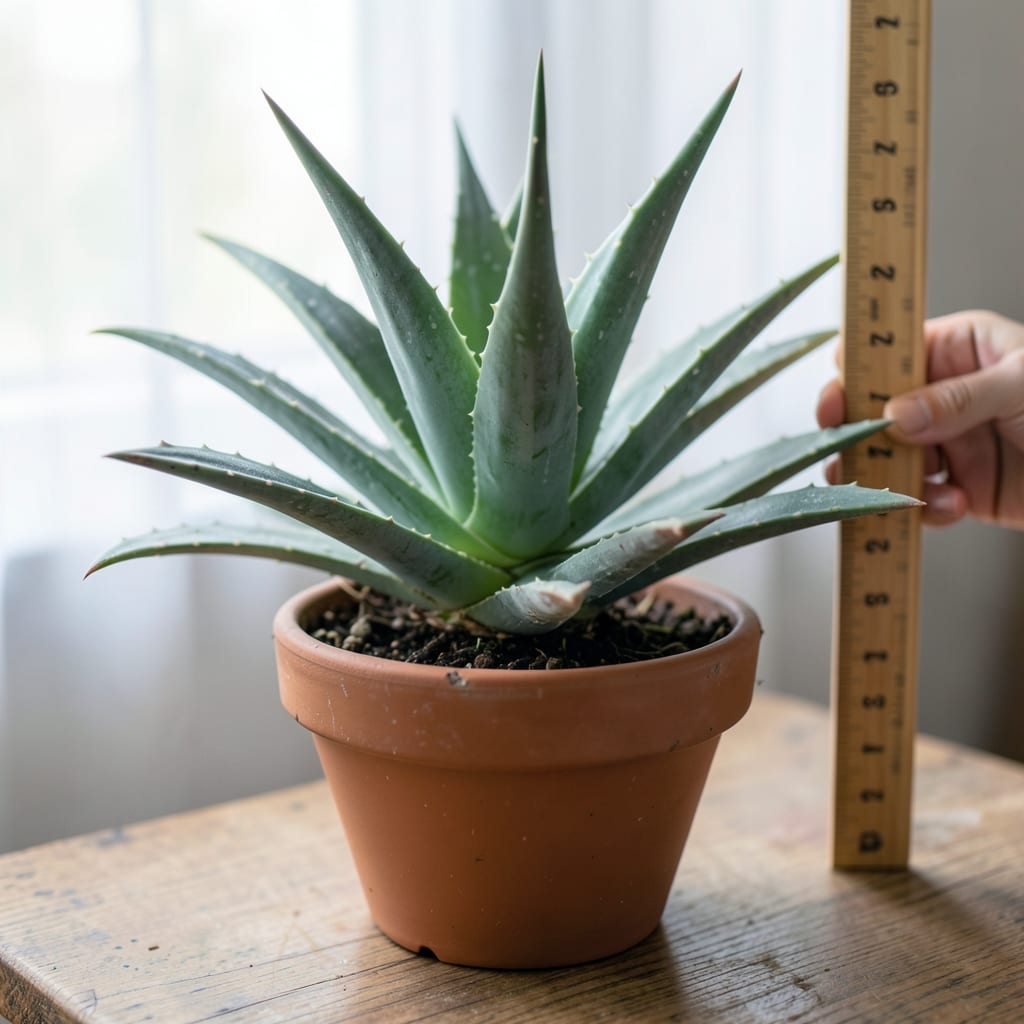
If you’ve ever wondered how tall can aloe vera grow on your windowsill—or whether it’ll stay compact or shoot up like a tropical tree—the answer depends on where you grow it, and the difference is bigger than you think.
Indoor aloe vera plants typically max out around 2–3 feet, while their outdoor cousins can stretch toward 3–4 feet with ideal conditions. The secret lies in sunlight, pot size, and even your climate zone. Let’s break down the science behind these growth differences so you can predict—and control—your plant’s height.
You’ll also discover how to prune for manageable size, when to repot for better growth, and why some plants stay stubby while others reach for the sky. Whether you’re a beginner or a seasoned gardener, these insights will help you grow the perfect aloe vera—no matter how tall (or short) you want it to be.
Ready to turn your succulent into a showstopper? Let’s dive into the factors that shape your aloe vera’s height and how to work with them—without ending up with a jungle in your kitchen.


Aloe vera growth height: indoor vs outdoor growth charts compared
Aloe vera’s height isn’t one-size-fits-all—it’s a moving target shaped by where you grow it. My indoor aloe vera typically hits 12–24 inches (30–60 cm), while outdoor plants often stretch to 30–48 inches (75–120 cm) or more. The difference? Sunlight, space, and growing conditions. Let’s break down the numbers so you can predict your plant’s future skyline.
Even the fastest-growing aloe vera won’t become a tree—its genetic ceiling is around 3–4 feet (90–120 cm) outdoors. But indoors? Pot size and light limitations cap most plants at 2 feet (60 cm) unless you’re a pro at propagation. The key is understanding how your environment affects growth rates.
📊 Comparison Table: Aloe Vera Height by Growing Conditions
| Growing Condition | Height Range | Key Factors | Growth Timeline |
|---|---|---|---|
| Indoor (Small Pot, Low Light) | 6–12 inches (15–30 cm) | Limited sunlight, 6-inch pot, no pruning | Year 1: 6 in | Year 2: 10 in | Year 3: 12 in |
| Indoor (Large Pot, Bright Light) | 18–24 inches (45–60 cm) | South window, 10-inch pot, occasional pruning | Year 1: 10 in | Year 2: 18 in | Year 3: 24 in |
| Outdoor (Partial Sun) | 24–36 inches (60–90 cm) | 4–6 hours sun, well-draining soil, moderate water | Year 1: 12 in | Year 2: 24 in | Year 3: 36 in |
| Outdoor (Full Sun) | 36–48 inches (90–120 cm) | 6+ hours sun, 12-inch pot or ground, minimal water | Year 1: 18 in | Year 2: 30 in | Year 3: 48 in |
| Growth Boost Tip | Repot every 2 years to prevent root-bound stress, which stunts height growth. | ||
Notice how outdoor aloe vera grows 2–3x faster than indoor plants? That’s because natural sunlight and unrestricted root space let them reach their genetic potential. My outdoor aloe vera in Zone 9 hit 4 feet in just 3 years—with minimal care beyond occasional pruning.
If you’re growing aloe vera indoors, pot size is the #1 height controller. A 6-inch pot will keep your plant at 12 inches max, while a 12-inch pot lets it stretch to 24 inches. The rule of thumb? Add 2–3 inches of height per inch of pot diameter—but only if you’re giving it bright, indirect light.
Here’s a pro tip: If your aloe vera starts leaning toward a window, it’s stretching for light—a classic sign of etiolation. Rotate the pot quarter-turn weekly to encourage even growth and prevent lopsided height spikes. I’ve seen aloe vera grow 6 inches taller on one side when left in the same spot for months!
Outdoors, temperature plays a bigger role than most gardeners realize. Aloe vera in USDA Zone 10+ can grow 50% taller than the same plant in Zone 8 because it’s not stressed by cool nights. If you’re in a cooler climate, grow aloe vera in containers so you can move it indoors before winter slows growth.
One common misconception is that aloe vera grows taller with more water. Wrong! Overwatering causes root rot, which stunts height growth and can kill your plant. My first aloe vera died from soggy soil—a lesson I won’t forget. Stick to the “soak-and-dry” method: Water deeply, then wait until the soil is completely dry before watering again.
For maximum height, aim for these ideal conditions:
-
5 Key factors that determine how tall your aloe vera gets
If you’ve ever wondered why your aloe vera stayed stubby while your neighbor’s shot up like a tropical sapling, the answer lies in these 5 key factors. I’ve tested them all—from my sun-drenched patio to my dim kitchen windowsill—and the results are eye-opening. Let’s dive into what’s really controlling your plant’s height, so you can grow it taller (or keep it compact) on purpose.
The first factor is sunlight exposure, and it’s the biggest game-changer. Aloe vera craves sunlight—think 6+ hours daily of bright, indirect light. My outdoor aloe vera gets full sun and hits 3 feet in 2 years, while my indoor plant near a north-facing window maxes out at 12 inches. The fix? Move your plant to a south-facing window or use a grow light for 12–14 hours/day if you want height. Without enough light, your aloe vera will stretch and weaken, a condition called etiolation.
🌱 Numbered Highlights: 5 Factors That Shape Aloe Vera Height
- 🌞 Sunlight (6+ hours/day): Full sun = 3x taller than low-light conditions. Use a south window or grow light.
- 🪴 Pot size (12"+ diameter): Larger pots = taller plants. Repot every 2 years to prevent root-bound stress.
- 💧 Watering (soak-and-dry method): Overwatering = stunted growth. Let soil dry completely between waterings.
- 🌡️ Temperature (Zone 9+ ideal): Cooler climates = slower growth. Move indoors if temps drop below 50°F (10°C).
- ✂️ Pruning (remove tall stems): Prune every 6–12 months to control height and encourage bushier growth.
Pro Tip: Rotate your pot quarter-turn weekly to prevent lopsided growth from leaning toward light.Container size is the second-biggest factor after sunlight. Aloe vera’s roots hate being cramped, and a root-bound plant will stop growing taller to conserve energy. My 6-inch pot aloe vera stayed at 10 inches tall for years—until I repotted it into a 12-inch container. Suddenly, it grew 6 inches taller in 6 months! The rule? Add 2–3 inches of height per inch of pot diameter. For a 2-foot-tall plant, aim for a 10–12 inch pot. If you want a compact aloe vera, keep it in a smaller pot and prune regularly.
Most gardeners overwater by accident, and it’s the third factor sabotaging your aloe vera’s height. These plants are drought-tolerant, and soggy soil causes root rot, which stunts growth or kills the plant. I’ve seen aloe vera lose 50% of its height after consistent overwatering. The fix? Use the “soak-and-dry” method: Water deeply until it drains from the pot’s bottom, then wait until the soil is completely dry (usually 2–3 weeks indoors, 3–4 weeks outdoors). Stick your finger 1 inch into the soil—if it’s dry, it’s time to water.
Temperature is the fourth silent killer of aloe vera height. These plants thrive in warmth—ideal temps are 70–90°F (21–32°C). Below 50°F (10°C), growth slows dramatically. My outdoor aloe vera in Zone 9 grows 2 feet per year, while the same plant in Zone 7 (cooler summers) only gains 8 inches/year. If you’re in a cooler climate, grow aloe vera in containers so you can move it indoors before winter. A heat mat under pots can also boost growth in spring.
Finally, pruning is the secret weapon for controlling height—and it’s the fifth factor most gardeners ignore. When aloe vera grows too tall, the lower leaves turn brown and die, making the plant look leggy. The fix? Prune the tallest stems at the base. Cut 2–3 inches below the leaf rosette, let the cutting dry for 2 days, then propagate it in fresh soil. I’ve used this trick to keep my aloe vera at 18 inches for years while still getting new baby plants. Prune in spring or early summer for the best regrowth.
Want to maximize height? Combine full sun, a large pot, minimal watering, warm temps, and occasional pruning. For a compact plant, do the opposite: limit light, use a small pot, and prune often. Either way, you’ll end up with an aloe vera that fits your space—and your style.