
Light Requirements
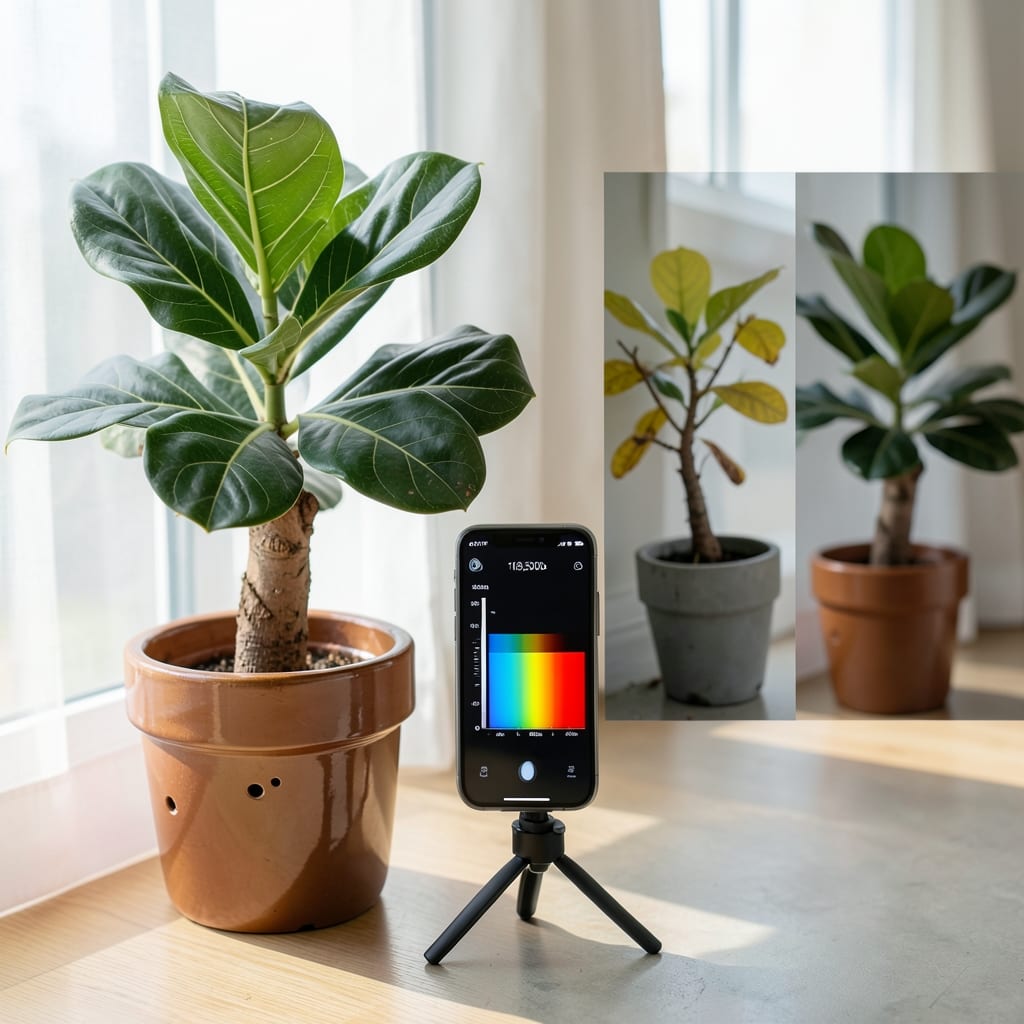
If you're wondering how much light does a ficus plant need to thrive, the answer lies in finding the perfect balance—neither too little nor too much. Your plant might be struggling—dropping leaves, growing leggy, or just not thriving—because the lighting is off. Ficus plants are famously adaptable, but they still need bright indirect light to flourish. Too little light, and they’ll stretch toward any available source, becoming weak and sparse. Too much direct sun, and those glossy leaves will start to crisp at the edges. The trick is finding that sweet spot where your ficus feels just right.
In this guide, I’ll break down exactly how much light your 🌿 ficus needs—whether it’s a towering Ficus elastica or a delicate Ficus benjamina—and how to spot the signs when it’s not getting enough (or too much). You’ll also discover the best indoor spots to place your plant, so you can finally stop guessing and start growing.
Ready to give your ficus the perfect light conditions? Let’s dive in and turn those droopy leaves into lush, thriving foliage.

Ficus light requirements: the perfect balance for different varieties
Ficus plants thrive best with bright, indirect light, but their exact needs vary by type. Understanding these differences helps prevent common issues like yellow leaves or stunted growth. Most ficus varieties—like the popular ficus elastica (rubber plant)—do well in medium to low light, while others, such as ficus lyrata (fiddle-leaf fig), prefer slightly brighter conditions. Let’s break down the ideal light balance for each variety and how to spot signs of light stress.
If your ficus is struggling, it’s often due to incorrect light exposure. Too little light leads to leggy growth and pale leaves, while too much direct sun causes brown leaf tips and scorched foliage. The key is finding that sweet spot of bright, filtered light, which mimics their natural understory habitat. For example, a ficus benjamina can tolerate low-light offices better than a ficus lyrata, which needs more luminosity to maintain its striking foliage.
Identifying light needs starts with observing your plant’s behavior. If leaves are dropping prematurely or turning yellow, it may be getting too much direct sun. Conversely, if new growth is spindly and weak, it’s likely light-deprived. Adjusting placement gradually—such as moving your ficus closer to a north-facing window—can help it adapt without shock. Below, we’ll compare the light requirements of three common ficus varieties to help you choose the best spot for your plant.
🌿 Ficus Light Requirements Comparison
| Variety | Ideal Light | Signs of Too Little Light | Signs of Too Much Light | Best Indoor Placement |
|---|---|---|---|---|
| Ficus elastica (Rubber Plant) | Low to Medium (1,000-2,000 lux) | Leggy growth, small leaves | Brown leaf edges, crispy foliage | North or east window, 3-5 ft away |
| Ficus benjamina (Weeping Fig) | Medium (2,000-3,000 lux) | Yellowing leaves, leaf drop | Bleached or sunburned spots | East or west window, 2-4 ft away |
| Ficus lyrata (Fiddle-Leaf Fig) | Bright Indirect (3,000-5,000 lux) | Slow growth, sparse leaves | Curling leaves, white patches | South window with sheer curtain, 5-7 ft away |
Now that you know the light preferences for each ficus type, let’s address how to adjust placement if your plant isn’t thriving. For instance, if your ficus elastica is growing too slowly, try moving it to a sunnier spot near a window but avoid direct afternoon sun, which can scorch leaves. Rotate your plant every 2-4 weeks to ensure even growth, as ficus plants naturally grow toward light sources. This simple habit prevents lopsided or weak stems.
If your home lacks natural light, consider using grow lights to supplement. LED grow lights with a cool white spectrum work well for ficus plants, providing the bright indirect light they crave. Place the light 6-12 inches above the plant and keep it on for 12-14 hours daily. This mimics natural daylight cycles and helps maintain healthy foliage, especially in low-light offices or north-facing rooms.
For outdoor ficus plants, transition them gradually to avoid sunburn. Start with morning sun exposure and slowly increase their time outside over 1-2 weeks. Outdoor ficus plants can handle partial shade, making them great for patios or shaded gardens. Just ensure they’re protected from strong winds, which can damage their delicate leaves. With the right light balance, your ficus will reward you with vibrant, glossy leaves and robust growth.
Remember, observation is key. Pay attention to your ficus’s leaf color, growth rate, and stem strength to fine-tune its light conditions. If you notice yellowing leaves, it might need more light; if leaves are curling or crispy, it’s getting too much direct sun. Small adjustments can make a world of difference in your ficus’s health and longevity.
🌱
Ficus light requirements: the perfect balance for different varieties
Ficus plants thrive best with bright indirect light, but not all varieties have the same needs. For example, the Ficus elastica (rubber plant) can handle slightly lower light conditions than the Ficus benjamina, which needs more consistent brightness to maintain its vibrant foliage. Understanding these differences is key to preventing common issues like leaf yellowing or stunted growth. Let’s break down the ideal light conditions for each type and how to spot when your plant isn’t getting enough.
Most ficus varieties prefer 4-6 hours of bright, filtered sunlight daily. This means placing them near an east or north-facing window where the light is soft and diffused. South-facing windows can work too, but you’ll need to use a sheer curtain to filter out harsh afternoon rays. If your home lacks natural light, don’t worry—ficus plants are adaptable and can thrive in low-light conditions, though they may grow slower or develop leggy stems.
The Ficus lyrata (fiddle-leaf fig) is particularly sensitive to light changes. It craves medium to bright indirect light and will quickly show signs of stress if moved too abruptly. If you notice brown leaf tips or dropping leaves, it’s often a sign of too much direct sun or sudden light shifts. On the other hand, Ficus benjamina can tolerate slightly brighter spots but still prefers indirect light to avoid leaf scorch.
| Variety | Ideal Light Conditions | Signs of Too Little Light | Signs of Too Much Light |
|---|---|---|---|
| Ficus elastica (Rubber Plant) | Low to bright indirect light (4-6 hrs/day) | Leggy growth, sparse leaves, yellowing | Brown leaf tips, crispy edges |
| Ficus benjamina (Weeping Fig) | Bright indirect light (6+ hrs/day) | Leaf drop, slow growth, pale leaves | Sunburn spots, leaf curling |
| Ficus lyrata (Fiddle-Leaf Fig) | Medium to bright indirect light (4-6 hrs/day) | Brown patches, leaf drop, weak stems | Bleached or yellow leaves, leaf scorch |
If your ficus is showing signs of light stress, don’t panic—adjustments can often save it. For example, if you notice yellow leaves or slow growth, move it closer to a window with filtered light. Conversely, if the leaves are crispy or brown, it’s getting too much direct sun. Rotate your plant every few weeks to ensure even growth, as ficus plants tend to lean toward the light source.
Pro tip: Use a light meter or observe your plant’s response over a few weeks to fine-tune its placement. If you’re unsure whether a spot is too bright, place a sheer curtain between the window and your ficus. This simple trick can make all the difference in keeping your plant healthy and vibrant.
Remember, ficus plants are forgiving, but they do best when given consistent light conditions. With the right balance, your ficus will reward you with glossy leaves and strong growth for years to come. 🌿