
Light Requirements
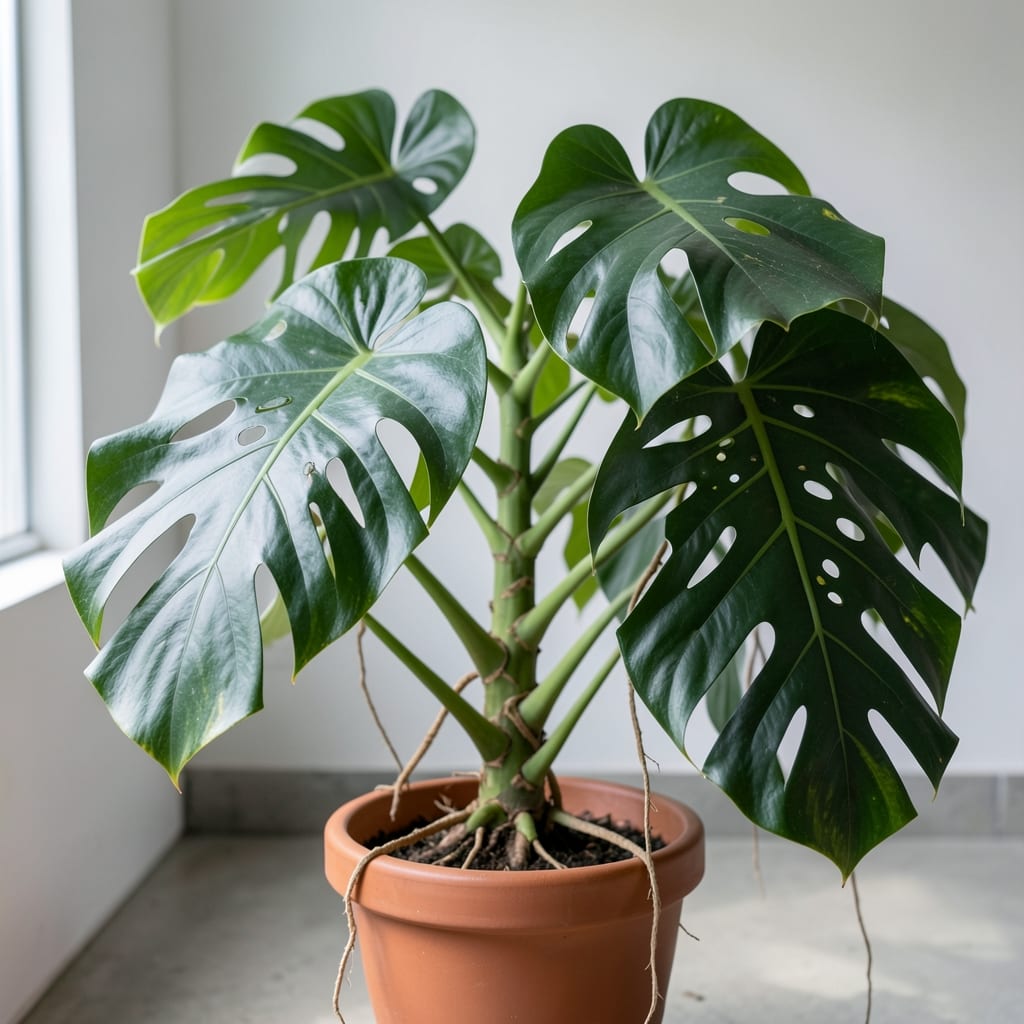
Optimal light requirements for Swiss cheese plant growth (bright indirect sunlight explained)
The Swiss cheese plant (Monstera deliciosa) thrives in bright indirect sunlight, but finding the perfect spot can feel tricky. Too little light causes stunted growth and pale leaves, while too much direct sun leads to leaf scorch and crispy edges. The key is mimicking its natural habitat under forest canopies where sunlight filters through leaves.
For most homes, this means placing your plant 2-3 feet from an east or west-facing window. East windows provide gentle morning sun, while west windows offer filtered afternoon light. South-facing windows can work too, but only if you use a sheer curtain to diffuse harsh rays.
Your plant’s leaves will tell you if it’s getting the right amount of light. Look for large, glossy leaves with fenestrations (those iconic holes) as signs of ideal conditions. If leaves stay small and dark green, it’s likely underlit. Brown patches or bleached spots mean over-exposure.
Seasonal changes also affect light needs. In summer months, when sunlight is intense, move your plant slightly farther from the window or rotate it weekly for even growth. During winter, when natural light dims, supplement with a grow light if you notice slow growth or leggy stems.
🌱 Swiss Cheese Plant Light Requirements Summary
| Condition | Ideal Specification | Signs of Issue |
|---|---|---|
| Light Type | Bright indirect light | Pale, small leaves |
| Distance from Window | 2-3 feet | Brown leaf tips |
| Daily Light Hours | 4-6 hours | Slow growth |
| Best Window | East or west | Yellowing leaves |
| Seasonal Adjustment | Rotate plant weekly | Leggy stems |
If your home lacks natural light, don’t worry—grow lights can save the day. A simple LED grow light placed 12-18 inches above your plant for 12-14 hours daily mimics sunlight perfectly. Just avoid placing it too close, or you’ll risk leaf burn from heat.
For outdoor growers, Swiss cheese plants can handle partial shade in gardens, especially in hot climates. Choose a spot with dappled shade, like under a tree canopy or on a covered patio. Avoid placing it in full sun, which can cause irreversible damage to the leaves.
Pro tip: Rotate your plant quarter-turns every week to ensure even light exposure. This prevents lopsided growth and helps your plant develop symmetrical fenestrations. Think of it like giving your plant a gentle massage to keep it balanced and happy!
Remember, every home’s lighting is unique. If your Swiss cheese plant starts showing stress, experiment with small adjustments—move it closer, add a sheer curtain, or try a grow light. With patience, you’ll find that sweet spot where your plant thrives with vibrant, healthy foliage. 🌿
Optimal light requirements for Swiss cheese plant growth (bright indirect sunlight explained)
The Swiss cheese plant (Monstera deliciosa) thrives in bright indirect light, making it perfect for indoor spaces with filtered sunlight. Too little light causes leggy growth and pale leaves, while too much direct sun leads to leaf burn. The ideal spot balances natural light without harsh rays—think east-facing windows or west-facing windows with sheer curtains.
This tropical plant mimics its native understory habitat, where dappled sunlight filters through tree canopies. In my own home, I placed mine 3 feet from a south-facing window but used a light sheer curtain to diffuse intensity. The result? Lush, variegated leaves with those iconic fenestrations (the "cheese" holes) developing beautifully.
| Light Condition | Leaf Appearance | Growth Impact | Solution |
|---|---|---|---|
| Bright Indirect Light (4-6 hrs) | Deep green, large leaves with fenestrations | Healthy, compact growth | Ideal placement: East/west windows |
| Low Light (<4 hrs) | Pale yellow, small leaves | Leggy, slow growth | Move closer to window or add grow light |
| Direct Sun (>6 hrs) | Brown crispy edges, bleached spots | Stunted growth, leaf drop | Use sheer curtain or rotate plant |
Seasonal changes affect light intensity, so I adjust my plant's position twice yearly. During summer months, I move it 6 inches farther from the window to prevent leaf scorch. In winter, when sunlight weakens, I supplement with a 12-hour LED grow light placed 18 inches away. This mimics natural daylight cycles and keeps growth steady.
Watch for these 3 key signs your Swiss cheese plant needs light adjustments: yellowing leaves (too little light), brown leaf tips (too much light), or stretched stems (etoliation). I once ignored the stretching until my plant looked like a tall, skinny bamboo stalk—not the lush foliage I wanted! Rotating the pot quarter-turn weekly ensures even growth and prevents lopsided development.
For indoor growers, east-facing windows provide the gentlest morning light, while west-facing windows offer afternoon warmth without harsh rays. If your space lacks windows, a south-facing window with a sheer curtain works too. Just avoid north-facing windows, which provide minimal light for this tropical beauty.
Pro tip: Test your light conditions with a light meter app (like Light Meter for iOS). Aim for 1,000-2,000 foot-candles of indirect light. My plant thrives at 1,500 foot-candles, and the leaves stay vibrant year-round. With the right light, your Swiss cheese plant will reward you with bold, healthy foliage and those coveted split leaves!