
How To
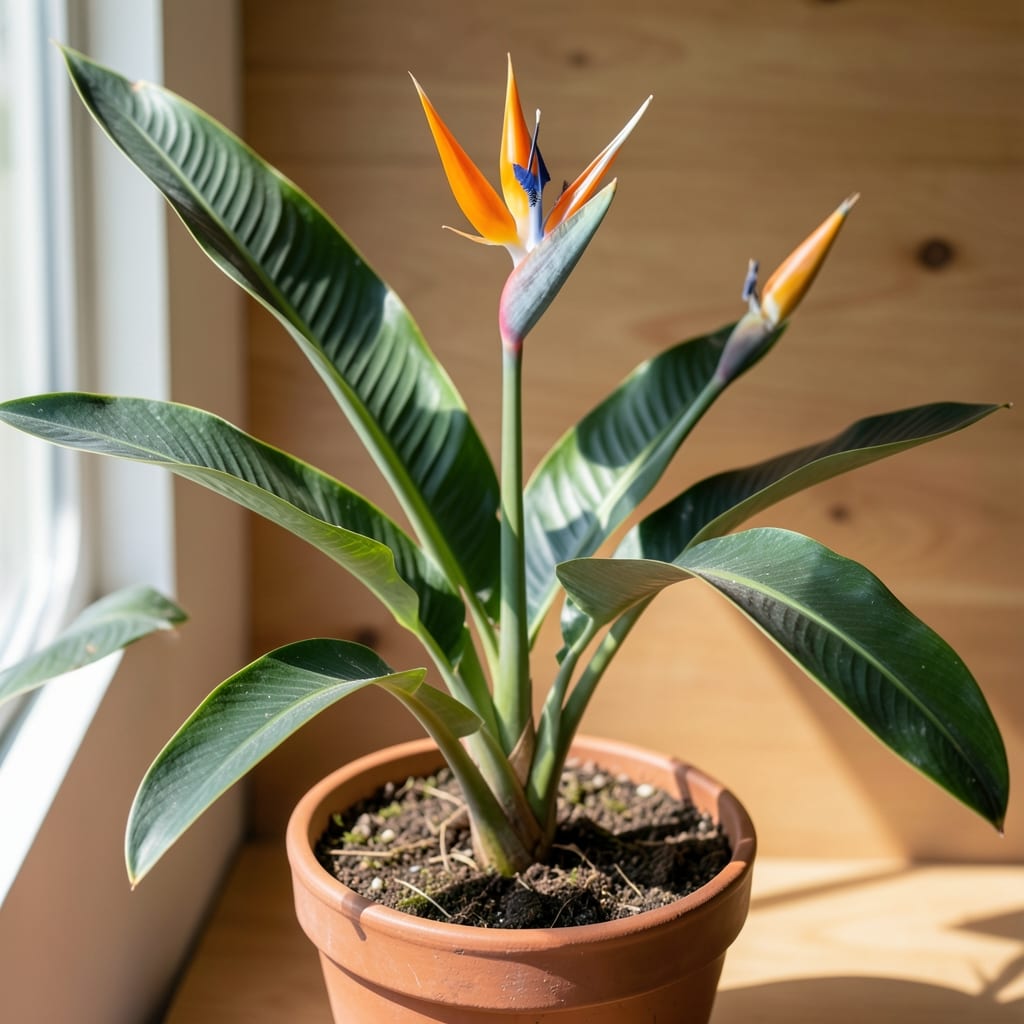
If you're wondering how tall Bird of Paradise 🌺 plants grow, the answer might surprise you—these tropical beauties can become the stars of your garden, towering like small trees! With the right conditions, Strelitzia nicolai can reach heights of 6 to 12 feet, while its cousin, Strelitzia reginae, stays slightly shorter but still impressive. The key to unlocking their full potential lies in understanding your climate, soil, and care routine.
Many gardeners assume these plants grow slowly, but with proper sunlight and nutrients, they can add 3 to 6 feet in just a few years. Whether you're planning a bold statement piece or a container-friendly accent, knowing their growth habits helps you avoid surprises—like outgrowing your patio or needing to prune aggressively. Let’s break down exactly what to expect so you can enjoy their dramatic foliage without the headaches.
Climate plays a huge role in their height—warmer zones like USDA 8-11 let them stretch their full potential, while cooler areas may require container growing or winter protection. Even in Zone 6a, where I’ve seen them thrive, a little strategy goes a long way. I’ll share how to manage their size naturally, whether you’re dreaming of a lush backyard centerpiece or a smaller space solution.
Ready to turn your garden into a tropical escape? You’ll discover how to encourage healthy growth, control their size, and even troubleshoot common mistakes that stall their height. Let’s make sure your Bird of Paradise becomes the showstopper you envisioned—without the guesswork.

Bird of Paradise height by variety: exact growth expectations
When planning your garden, knowing how tall Bird of Paradise 🌺 plants grow helps you choose the right variety for your space. The two most common types—Strelitzia reginae (type I) and Strelitzia nicolai (type II)—offer distinct heights and growth rates. Type I typically matures between 5 to 8 feet tall, while type II can soar to 10 to 12 feet, making it a true statement plant. Even dwarf varieties, like Strelitzia 'Mandarin Sun', stay compact at 4 to 6 feet.
If you’re wondering how quickly they grow, expect 1 to 2 feet per year under ideal conditions. In my Zone 6a garden, a 3-year-old type II reached 5 feet tall with consistent care. Their growth slows in cooler climates but speeds up in USDA Zones 9-11, where they can add 3 feet annually. Understanding these differences ensures you pick the perfect fit for your landscape or container setup.
The foliage structure also impacts perceived height. Type I has narrower, arching leaves that create an airy look, while type II’s broad, banana-like leaves add bulk. Both varieties produce vibrant orange and blue flowers, but type II’s blooms are larger and more dramatic. For smaller spaces, consider Strelitzia 'Dwarf Bird of Paradise', which tops out at 6 feet while keeping a lush, manageable shape.
Here’s a quick comparison to visualize their mature sizes: Strelitzia reginae (type I): 5–8 ft | Strelitzia nicolai (type II): 10–12 ft | Dwarf varieties: 4–6 ft. These ranges assume optimal care, including full sun exposure, well-draining soil, and regular fertilization. Without these, growth can stall, leaving your plant looking leggy or underdeveloped.
| Variety | Mature Height | Growth Rate (Annual) | Foliage Type | Best For |
|---|---|---|---|---|
| Strelitzia reginae (Type I) | 5–8 ft | 1–2 ft/year | Narrow, arching | Containers, small gardens |
| Strelitzia nicolai (Type II) | 10–12 ft | 2–3 ft/year | Wide, banana-like | Large landscapes, focal points |
| Dwarf Varieties (e.g., 'Mandarin Sun') | 4–6 ft | 1 ft/year | Compact, bushy | Patios, small spaces |
Choosing the right variety isn’t just about height—it’s about how the plant fits into your garden’s vertical and horizontal space. Type I’s upright growth makes it ideal for backyard borders, while type II’s bold presence works as a solitary specimen. Dwarf varieties excel in containers or urban gardens where space is limited. For example, I placed a type I near my patio to create a natural screen, while a type II anchors my tropical-themed garden bed.
One common misconception is that Bird of Paradise plants grow slowly and stay small. In reality, they’re fast growers when given the right conditions. In my experience, the biggest factor limiting height is lack of sunlight. If your plant isn’t getting 6+ hours of direct sun daily, its growth will slow dramatically. Even in shade-tolerant varieties, the height potential drops by 30–50%. To maximize growth, position your plant where it can bask in morning to afternoon sun.
Soil quality also plays a critical role. Bird of Paradise thrives in well-draining, slightly acidic soil (pH 6.0–7.0). Heavy or waterlogged soil can stunt growth and lead to root rot, which halts height development. Amending your soil with compost or perlite ensures nutrients and oxygen reach the roots, fueling upward growth. I’ve seen plants in poor soil struggle to grow beyond 3 feet tall after 5 years, while those in enriched soil hit 8+ feet in the same time.
If you’re planning to grow Bird of Paradise in containers, expect slightly shorter heights
How climate Zones affect Bird of Paradise growth height
Your USDA hardiness zone is one of the biggest factors in determining how tall your Bird of Paradise will grow. These tropical plants thrive in Zones 8-11, where they can reach their full 6-12 foot potential. But if you’re in cooler zones like Zone 6a, where I’ve grown them successfully, their growth will slow dramatically—or stop entirely—during winter. The key is understanding how temperature shifts impact their height over time.
In Zone 10-11, Bird of Paradise grows aggressively, adding 2-3 feet per year with ideal care. The warm, frost-free climate lets them focus all their energy on upward growth. Meanwhile, in Zone 8, growth slows to 1-2 feet annually unless you provide winter protection. Even in my Zone 6a garden, I’ve seen them stall at 4-6 feet without container protection or mulching.
Cold snaps below 20°F (-6°C) can kill unprotected plants, but even Zone 7 gardeners can grow them in large containers and overwinter indoors. This container method limits their height to 4-6 feet but keeps them alive year after year. The trade-off? You’ll sacrifice some of their dramatic height for survival in cooler climates.
🌡️ Climate Impact on Bird of Paradise Height
Seasonal growth patterns also play a role. In Zones 10-11, Bird of Paradise grows year-round, while in Zones 7-9, they enter dormancy in winter, slowing height gains until spring. This dormancy is natural but can be managed with mulching or container insulation to extend the growing season. I’ve seen plants in Zone 8 grow an extra 6 inches by insulating the root zone during mild winters.
If you’re in a cooler zone, don’t despair—container growing is your best friend. A 24-inch diameter pot limits root spread and keeps plants under 6 feet, while still allowing them to thrive. Just
For those in Zones 8-11, the real challenge is managing their height! Without pruning, these plants can become unruly. But with the right care, you’ll have a lush, towering centerpiece that’s the envy of the neighborhood. The key is balancing their natural growth with strategic pruning—something I’ll cover in the next section.