
Flowers
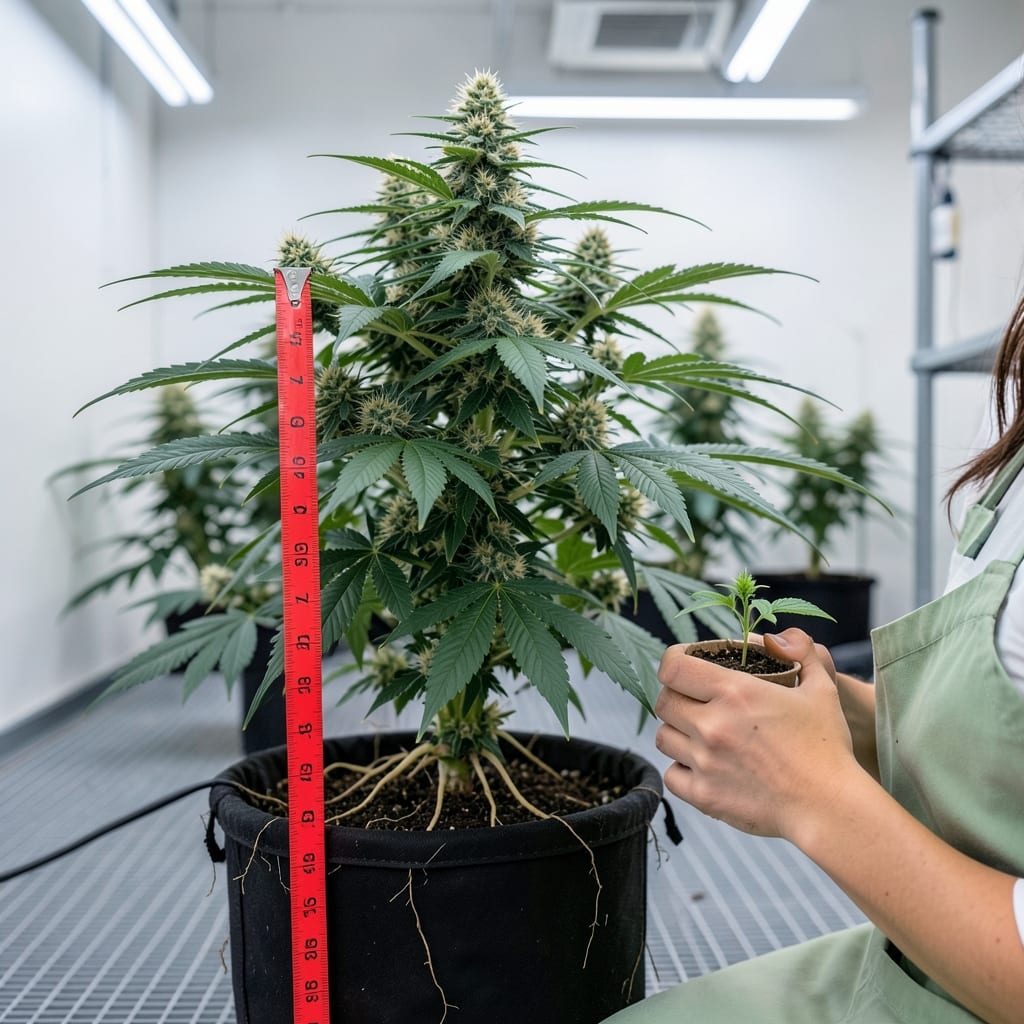
Wondering how tall do autoflower cannabis plants actually grow? The answer isn't one-size-fits-all—some stay as compact as a 2-foot bush while others stretch toward 5 feet, and the difference comes down to genetics, care, and a little strategic planning.
Unlike their photoperiod cousins, autoflowers like yours follow a strict 8-10 week timeline, making height control both an art and a science. Whether you're working with a dwarf strain or a towering variety, knowing these growth ranges is the key to maximizing your space—and your harvest.
In this guide, I’ll break down the exact height ranges by strain type, share proven techniques to manage growth, and reveal common mistakes that can send your plants skyrocketing (or stunting). Let’s get your garden optimized for success.
From 1-foot tabletop varieties to 5-foot giants, we’ll cover everything you need to plan your setup like a pro. Ready to turn your grow space into a height-controlled masterpiece?


Autoflower height ranges by strain type: compact vs. tall varieties
Autoflower cannabis plants come in a stunning range of heights, from dwarf varieties that fit on a coffee table to tall giants that stretch toward the ceiling. The key difference? Genetics. Some strains are bred to stay under 2 feet, while others naturally reach 5 feet or more. Understanding these categories will help you choose the perfect fit for your grow space and goals.
Let’s break down the four main height categories: sub-2ft, 2-4ft, 4-6ft, and 6ft+. Each has unique space requirements, light needs, and yield potential. For example, a 1-foot dwarf might yield just 1-2 ounces but thrive in a closet, while a 5-foot giant could produce 4-6 ounces but needs a dedicated grow room.
Here’s how these categories stack up in terms of space needs, growth habits, and strain examples. Whether you’re working with limited space or a full grow tent, knowing these ranges will help you plan like a pro.
| Height Category | Strain Examples | Space Needs | Yield Potential |
|---|---|---|---|
| Sub-2ft (Dwarf) | Auto Blueberry, Northern Lights Auto, Durban Poison Auto | Closet, small shelf, or 1-gallon pot | 1-2 oz per plant |
| 2-4ft (Semi-Dwarf) | Frisian Duck, Auto Critical Mass, Blueberry Auto | 3-5 gallon pot or 3x3ft grow tent | 2-4 oz per plant |
| 4-6ft (Standard) | Auto Northern Lights, Amnesia Auto, Jack Herer Auto | 5-gallon pot or 4x4ft grow tent | 4-6 oz per plant |
| 6ft+ (Tall) | Auto Blue Dream, Auto White Widow, Auto AK-47 | 7+ gallon pot or 5x5ft+ grow tent | 6-10+ oz per plant |
If you’re growing in a small space, dwarf or semi-dwarf strains are your best bet. They’re perfect for indoor setups like closets, balconies, or even under a desk lamp. For example, Auto Blueberry stays under 2 feet but delivers a sweet, berry-like flavor with minimal effort.
On the other hand, if you have a dedicated grow room or outdoor space, taller strains like Auto White Widow can reward you with higher yields and more complex terpene profiles. Just be prepared for heavier pots and potential light adjustments as they grow.
One common misconception is that taller plants always mean bigger yields. Not true! Some compact strains produce denser buds with higher potency per square inch. For instance, a 2-foot dwarf might give you 20% more THC per gram than a stretched-out 5-footer. It’s all about bud density, not just height.
Genetics play the biggest role in height, but environmental factors like light spectrum, nutrients, and pruning can tweak growth by 10-30%. For example, blue light spectrum during flowering can stunt vertical growth, while overfeeding nitrogen in veg will send your plant reaching for the sky. We’ll dive deeper into height control techniques in the next section.
Pro tip: If you’re mixing heights in your grow space, place taller plants in the center and shorter ones along the edges. This maximizes light exposure for all and prevents shading issues. For outdoor growers, trellising or screen-of-green (SCROG) techniques can help manage height while boosting yields.
Autoflower height ranges by strain type: compact vs. tall varieties
Autoflower cannabis plants come in stunning diversity when it comes to height, with some varieties barely reaching your knee while others tower over your head. The key difference? Genetics. Dwarf autoflowers like Blueberry Auto or Northern Lights Auto typically max out at 1-2 feet, making them perfect for stealth grows or small spaces.
On the other end of the spectrum, tall autoflower strains such as Auto Amnesia or Auto Blue Dream can stretch up to 5-6 feet, demanding more vertical space and stronger structural support. These giants often produce larger yields but require careful planning for light penetration and airflow.
Here’s how to categorize autoflower heights and what each means for your grow:
| Height Category | Strain Examples | Space Needs | Best For |
|---|---|---|---|
| Sub-2 ft (Dwarf) | Blueberry Auto, Northern Lights Auto | 5-gallon pots or smaller | Stealth grows, balconies, small tents |
| 2-4 ft (Semi-Dwarf) | Auto Critical Mass, Auto White Widow | 7-10 gallon pots or 2x2 ft grow space | Small tents, outdoor guerrilla grows |
| 4-6 ft (Standard) | Auto Amnesia, Auto Blue Dream | 10+ gallon pots or 3x3 ft grow space | Indoor tents, outdoor gardens with privacy |
| 6 ft+ (Tall) | Auto Gelato, Auto Gorilla Glue | Large pots or outdoor plots | Outdoor grows, large indoor setups |
Choosing the right strain for your space isn’t just about height—it’s also about growth habit. Some autoflowers grow tall and leggy, while others stay stocky and bushy. For example, Auto Critical Mass might hit 4 feet but sprawl wide, while Auto Blueberry stays compact but dense. Always check breeder notes for growth patterns before committing to a strain.
Pro tip: If you’re growing indoors, dwarf or semi-dwarf strains are your best bet for maximizing yield in limited space. For outdoor grows, taller varieties can take advantage of natural light, but you’ll need to plan for trellising or SCROG setups to manage their height and improve light exposure.
Remember, even within a strain, height can vary by 10-20% based on environmental factors like light intensity, nutrients, and temperature. So while these ranges give you a solid starting point, your final height might surprise you—either for better or worse!