
Light Requirements
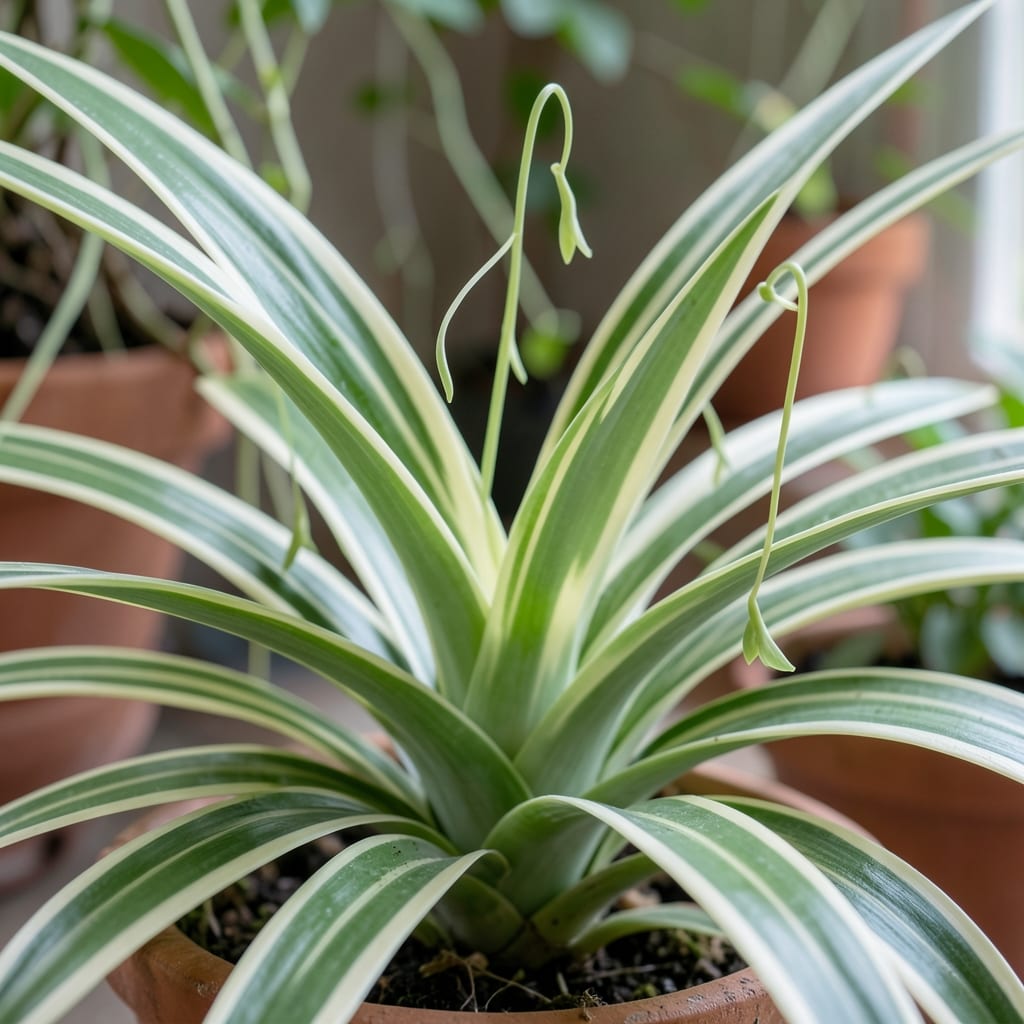
Ideal light requirements for spider plants: bright indirect sunlight explained
Spider plants thrive best in bright indirect sunlight, making them perfect for most indoor spaces. Unlike sun-loving plants, they can’t handle harsh rays, which can scorch their leaves. The key is finding that sweet spot where they get enough light to grow but stay protected from direct sun. Think of it like a cozy reading nook—just enough light to see, but not the midday glare.
Most homes naturally provide this ideal light near east or north-facing windows. These spots offer gentle morning sun or diffused light all day without the intense afternoon heat. If your home lacks natural light, don’t worry—spider plants are adaptable. They can even tolerate medium to low light conditions, though their growth may slow down in dimmer areas.
Here’s the golden rule: 4-6 hours of indirect light daily is perfect for vibrant foliage and those adorable spiderettes. If you notice your plant stretching toward the light or developing pale leaves, it’s begging for more brightness. On the flip side, crispy brown tips or yellowing leaves often signal too much direct sun or heat stress.
🌱 Spider Plant Light Requirements Summary
| Light Type | Ideal Conditions | Signs of Stress |
|---|---|---|
| Bright Indirect | East/west-facing windows, 2-3 ft away | Vibrant green leaves, frequent pups |
| Medium Indirect | North-facing windows or 4-6 ft from bright windows | Slower growth, leggy stems |
| Low Light | Bathrooms, offices, or dim corners | Pale leaves, sparse pups, weak stems |
| Direct Sunlight | South-facing windows without filter | Brown tips, crispy edges, sunburn |
If you’re unsure whether your space meets the bright indirect light requirement, try this trick: Place your hand near the plant’s spot. If the light feels warm but not scorching (like early morning sun), it’s likely a good fit. For south-facing windows, use a sheer curtain to diffuse the light and prevent leaf burn.
Another pro tip: Rotate your spider plant quarter-turns every 2-3 weeks. This ensures even growth and prevents one side from leaning toward the light. Uneven light exposure can cause lopsided foliage, which isn’t just unsightly—it’s a sign your plant is struggling to access its light source.
For those in low-light homes, consider supplementing with a grow light. LED grow lights designed for houseplants work wonders, especially if placed 6-12 inches above the plant for 6-8 hours daily. Look for lights with a cool white or full-spectrum setting to mimic natural daylight.
Remember, spider plants are forgiving. While they prefer bright indirect light, they’ll survive in medium light with patience. The key is observing your plant’s signals—adjust its location gradually if you notice signs of distress. With the right light, your spider plant will reward you with lush, arching leaves and an abundance of those charming spiderettes.
🌿
Ideal light requirements for spider plants: bright indirect sunlight explained
Spider plants thrive in bright indirect sunlight, making them perfect for most indoor spaces. Unlike sun-loving plants, they despise harsh rays that can scorch their delicate leaves. The key is finding that sweet spot where light filters gently through curtains or sheer drapes—think of it as the Goldilocks zone for your plant's foliage.
In my experience, the best placement is near an east-facing window where morning sun is softest, or a north-facing window that offers consistent, diffused light all day. South-facing windows can work too, but only if you place your spider plant at least 3-4 feet away from the glass to prevent leaf burn.
| Light Type | Ideal Location | Distance from Window | Growth Impact |
|---|---|---|---|
| Bright Indirect | East/West/North windows | 2-3 feet | Vibrant growth, pups |
| Low Light | North corner, offices | N/A | Slow growth, pale leaves |
| Direct Sun | South windows | Close proximity | Brown tips, leaf burn |
You might notice your spider plant's leaves developing vertical stripes when it's getting just the right amount of light. These stripes aren't just decorative—they're a natural response to optimal light conditions! If your plant starts looking leggy with long stems and sparse foliage, it's begging for more brightness. Rotate your pot quarter-turns weekly to ensure even light exposure all around.
For those with low-light spaces, don't despair—spider plants are surprisingly adaptable. They'll survive in areas with 10-20% sunlight, though growth will be slower. Just be prepared for fewer "spiderettes" (those adorable baby plants) and more time between repotting sessions. In my dimmest rooms, I've kept spider plants alive for years by simply giving them patience and occasional misting to boost humidity.
One common misconception is that all indirect light is equal. What your spider plant truly needs is consistent light exposure—think of it like a steady diet for photosynthesis. If you move your plant frequently or keep it in a spot with fluctuating light levels (like near a door that opens often), you'll see stress signals like yellowing leaves or crispy edges. Consistency is key when it comes to light for these resilient plants.
Pro tip: If you're unsure about your home's light levels, try the "shadow test". Place a white piece of paper near your spider plant's current spot during the brightest part of the day. If you can clearly read text on the paper, your plant is getting enough indirect light. If the shadow is faint or nonexistent, it's time to find a brighter location.
Remember, even the hardiest plants need their light requirements met. For spider plants, that means bright but filtered light is non-negotiable for the lush, happy plant you're dreaming of. With the right placement, you'll be rewarded with rapid growth and those coveted dangling babies that make propagating so much fun! 🌱