
Vegetables
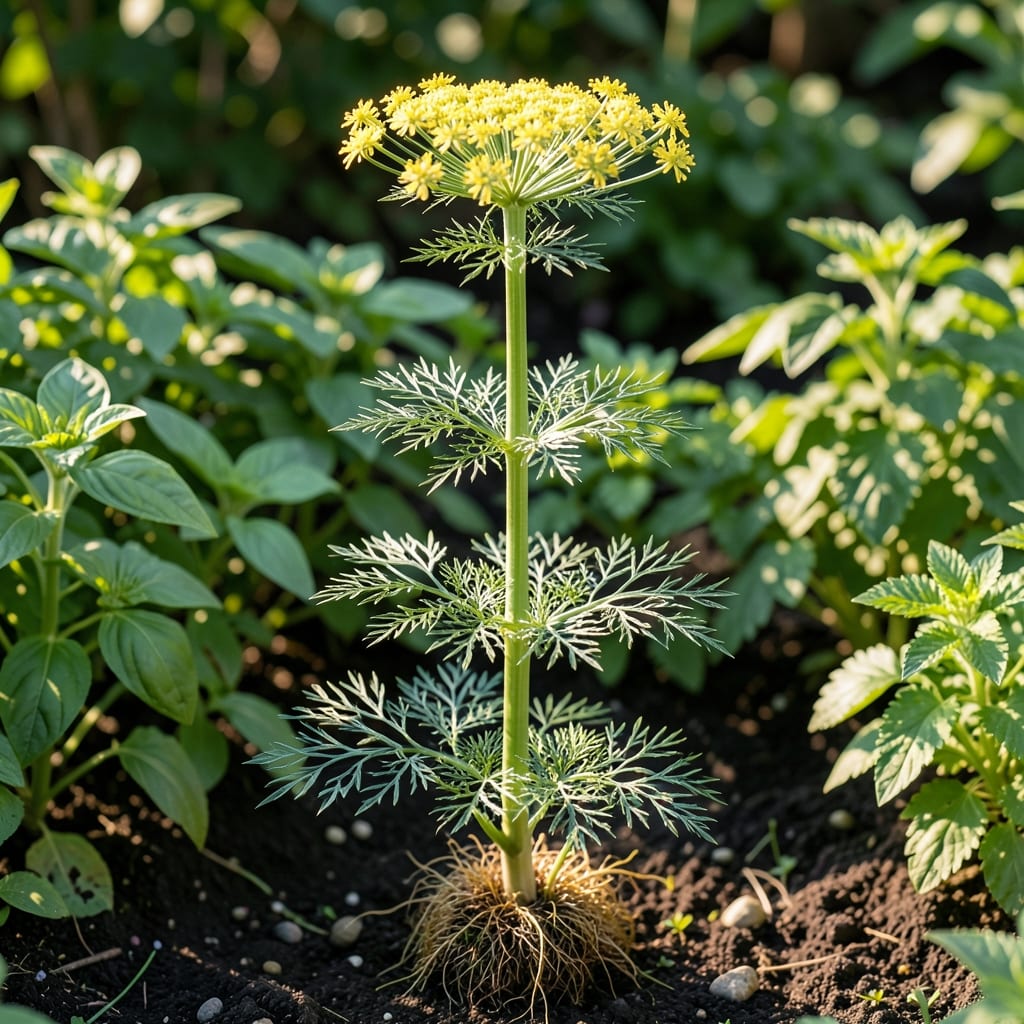
Curious about how tall your 🌿 dill can grow? The answer might surprise you—this feathery herb can stretch from a modest 1-foot dwarf to a towering 5-foot giant, depending on the variety and growing conditions. If you've ever pictured dill as a neat little pot plant, think again: some varieties reach higher than your kitchen cabinets, while others stay perfectly contained for small spaces.
For gardeners in USDA Zone 6a, timing matters too—planting in April-May gives dill the ideal spring kickstart to reach its full height potential by June-August. But here's the catch: whether you want a sky-high seed producer or a compact culinary herb, understanding what influences dill's growth is key. Let's break down how to predict—and control—its height based on your garden setup.
What if I told you the difference between a 3-foot dill bush and a 6-foot stalwart often comes down to sunlight, soil, and spacing? Some varieties naturally stay shorter, while others bolt upward like nature's green skyscrapers. The good news? With the right techniques, you can shape dill to fit your space—whether that's a raised bed, container, or sunny windowsill.
Ready to grow dill that's just right for your needs? I'll walk you through the factors that determine height, plus practical tips to manage growth—so you can enjoy fresh dill for cooking (or let it go wild for those iconic dill pickle seeds). Let's get growing!

Dill height variations: from 1-Foot dwarfs to 5-Foot giants
Dill’s height can surprise even seasoned gardeners—some varieties stretch toward the sky like 5-foot giants, while others stay neatly compact at 1-2 feet tall. The difference often comes down to the variety you choose and how you nurture it. For example, Mammoth dill reaches heights of 4-6 feet, making it perfect for seed production, while Bouquet dill stays shorter at 2-3 feet, ideal for small gardens or containers. Even the same variety can vary by 1-2 feet depending on sunlight, soil quality, and watering habits.
If you’re planning your garden layout, consider how tall your dill will grow. A 5-foot dill plant can easily outgrow nearby herbs or vegetables, so spacing is key. For instance, planting Mammoth dill near basil or parsley might leave those shorter plants in its shade. On the other hand, Fernleaf dill, a bushier variety, typically maxes out at 3-4 feet, making it a better fit for mixed herb beds. The height differences also affect how you harvest—taller varieties may require a sturdy ladder or pruning tools to reach the top leaves!
Here’s a quick way to predict your dill’s height: full sun and rich soil encourage maximum growth, while partial shade or poor soil can stunt it. For example, in my raised bed garden, I’ve seen Mammoth dill hit 5 feet in just 8 weeks when given 6+ hours of sunlight daily and well-draining soil. In contrast, the same variety in a shadier spot barely reached 3 feet. The lesson? Location matters just as much as variety.
🌱
🌿 Dill Variety Height Comparison
| Variety | Mature Height | Best For | Growth Tips |
|---|---|---|---|
| Mammoth | 4–6 ft | Seed production | Needs staking; full sun |
| Bouquet | 2–3 ft | Containers, small gardens | Prune to encourage bushiness |
| Fernleaf | 3–4 ft | Mixed herb beds | Tolerates partial shade |
| Dwarf | 1–2 ft | Windowsills, pots | Harvest frequently to prevent bolting |
Understanding these height variations helps you plan your garden layout and avoid crowding. For example, if you’re growing Mammoth dill in your backyard garden, give it at least 12–18 inches of space between plants to prevent competition. In contrast, Bouquet dill can thrive in 5-gallon containers with just 6–8 inches of spacing, making it perfect for balcony gardens or community garden plots. Even the Dwarf variety can be grown in hanging baskets or windowsill pots, adding fresh dill to your kitchen without taking up garden real estate.
Another factor that influences height is whether you’re growing dill for leaves or seeds. If your goal is culinary use, you’ll want to harvest leaves before flowering, which encourages a bushier, shorter plant. However, if you’re saving seeds for next year, allowing the plant to bolt and flower will result in a taller, leggier plant. In my experience, Mammoth dill grows 2 feet taller when left to flower compared to when I harvest leaves regularly. This is because the plant redirects energy from leaf production to seed development.
Soil quality also plays a surprisingly large role in dill’s height. Dill thrives in well-draining, slightly alkaline soil with a pH of 6.0–7.0. If your soil is clay-heavy or compacted, roots struggle to expand, leading to stunted growth. To test your soil, dig a 6-inch hole and check for drainage—if water pools after 10 minutes, amend with compost or sand. I once had a Mammoth dill plant that only reached 2 feet in heavy clay soil until I added organic matter, after which it shot up to 5 feet in just 3 weeks.
Finally, don’t overlook the impact of watering habits. Dill needs consistent moisture but hates soggy soil. Overwatering can lead to <
Dill height variations: from 1-Foot dwarfs to 5-Foot giants
Dill’s height can surprise even experienced gardeners—some varieties stretch toward the sky like green skyscrapers, while others stay tidy enough for windowsill pots. The difference often comes down to the variety you choose. For example, Bouquet dill typically reaches 3-4 feet, making it ideal for herb gardens or culinary use, while Mammoth dill can tower 5-6 feet, perfect for seed production or dramatic backyard borders.
But height isn’t just about genetics—growing conditions play a huge role. Full sun exposure (6+ hours daily) fuels rapid growth, while partial shade can stunt dill, leaving it leggy and weak. Rich, well-draining soil also encourages height, but poor soil or overcrowding can limit its potential. Even the climate matters: dill in Zone 6a or warmer may grow taller than the same variety in cooler regions.
🌱
| Variety | Height Range | Best For |
|---|---|---|
| Bouquet Dill | 3-4 feet | Culinary, containers |
| Mammoth Dill | 5-6 feet | Seed production, borders |
| Fernleaf Dill | 2-3 feet | Small spaces, ornamental |
| Dwarf Dill | 1-2 feet | Windowsills, patio pots |
If you’re growing dill for culinary use, focus on Bouquet or Fernleaf varieties, which stay manageable while delivering flavorful leaves. For dill seeds (a favorite for pickling), Mammoth dill is the star—its height allows ample space for seed heads to develop. Even Dwarf dill can produce seeds, but yields will be smaller. Pro tip: Pinch back the flowering stems early if you want to delay bolting and keep the plant bushier for leaf harvests.
One common misconception is that all dill grows tall—not true! The Dwarf variety is bred to stay under 2 feet, making it perfect for balcony gardens or indoor herb setups. However, even dwarf dill may stretch taller if given excessive nitrogen or poor sunlight. Always check the seed packet for height expectations, and adjust your planting plan accordingly—whether that means choosing a container or allocating extra space in your garden bed.
For those in small spaces, consider pruning regularly to control height. I’ve seen Bouquet dill kept under 3 feet with consistent trimming, while Mammoth dill left unchecked can reach 6 feet or more. The key is balancing your goals: leaf production benefits from pruning, while seed production thrives when the plant matures fully. Plan ahead by selecting the right variety and giving it the right conditions!
🌿