
Flowers
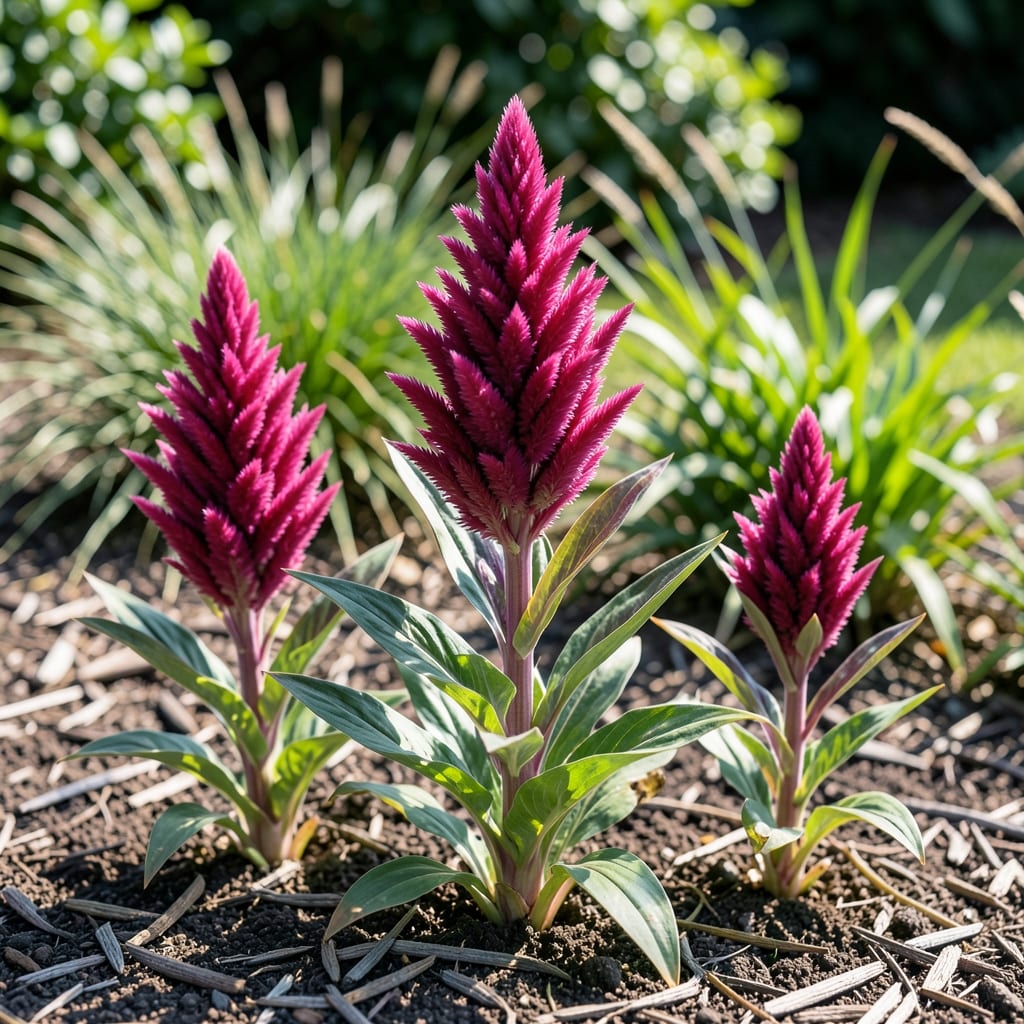
Curious about celosia how tall do they grow? These vibrant blooms can transform your garden into a burst of fiery colors—but their height depends more than you might think. Some varieties stay compact enough for containers, while others reach towering heights that command attention in the backyard.
Most celosia plants typically mature between 1 and 3 feet, but the variety you choose makes all the difference. Plume types often stay shorter, while cock’s comb varieties can stretch taller, creating dramatic focal points. Knowing these differences helps you plan your garden layout without overcrowding or underutilizing space.
Beyond variety, sunlight, soil quality, and even pruning habits influence how tall your celosia grows. With the right care, you can encourage lush, full blooms that stay within your desired height—or let them grow wild for a natural, wildflower look. Let’s break down what affects their growth and how to manage it.
Whether you’re using celosia as a border plant, cut flowers, or a bold centerpiece, understanding their potential height helps you make the most of their stunning colors. Ready to turn your garden into a showstopper? Let’s dive into the details.

Celosia height variations by type: plume, cock’s comb, and wheat celosia compared
When planning your garden, knowing celosia how tall do they grow helps you choose the perfect variety for your space. Celosia comes in three main types, each with distinct height ranges and growth habits. Understanding these differences ensures you allocate the right space for their mature size and prevent overcrowding.
The most common types—plume celosia, cock’s comb celosia, and wheat celosia—vary significantly in height. Plume types typically stay between 1 and 2 feet, while cock’s comb varieties can reach up to 3 feet. Wheat celosia often falls in the middle, making it versatile for various garden designs.
Here’s how these three types compare in terms of mature height, growth habits, and ideal spacing to keep your garden thriving:
| Type | Mature Height | Growth Habit | Ideal Spacing | Best For |
|---|---|---|---|---|
| Plume Celosia | 1–2 ft | Upright, bushy | 12–18 in apart | Borders, containers |
| Cock’s Comb Celosia | 2–3 ft | Tall, dramatic spikes | 18–24 in apart | Back-of-bed focal points |
| Wheat Celosia | 1.5–2.5 ft | Compact, bushy | 12–18 in apart | Mixed beds, cut flowers |
Plume celosia, with its feathery, vibrant blooms, is perfect for adding color to borders or containers. Their 1–2 foot height makes them ideal for smaller gardens or window boxes. Varieties like 'Impulse Red' or 'Merlot' stay compact, while 'Pink Flamingo' can stretch slightly taller, adding height without overwhelming the space.
Cock’s comb celosia, named for its striking crest-like flower heads, is the tallest of the bunch, often reaching 2–3 feet. This makes it a standout choice for the back of flower beds or as a dramatic centerpiece. 'New Look Fire' or 'Atomic Red' are popular picks for adding bold color and texture to taller garden sections.
Wheat celosia, with its wheat-like seed heads, strikes a balance with heights between 1.5 and 2.5 feet. It’s versatile for mixed beds or as cut flowers, offering both beauty and longevity. Varieties like 'Golden Buff' or 'Copper Buff' bring a warm, earthy tone to your garden while maintaining a manageable size.
If you’re growing celosia in containers, opt for dwarf varieties like 'Tom Thumb', which max out at 6–12 inches. These are perfect for patios or balconies, adding pops of color without taking up much space. For larger gardens, taller varieties like 'Cock’s Comb Giant' can create stunning vertical interest.
Proper spacing is key to preventing overcrowding and ensuring each plant gets enough sunlight and airflow. Follow the spacing guidelines in the table above to keep your garden looking neat and encourage healthy growth. With the right variety and spacing, your celosia will thrive and become the star of your garden.
How to choose celosia varieties based on garden size and design needs
Selecting the right celosia variety isn’t just about color—it’s about height and purpose. If your garden is small, dwarf varieties like ‘Impala’ or ‘Tom Thumb’ stay under 12 inches, perfect for containers or window boxes. These compact celosia plants add vibrant pops without overwhelming your space, making them ideal for patios or balconies.
For border gardens, medium-height varieties like ‘Crimson Plume’ or ‘Solar Flare’ reach 18–24 inches, creating a lush, continuous edge. Their upright growth habit makes them great for framing pathways or defining garden beds. Pair them with salvia or zinnia for a cohesive, long-blooming display.
🌸 Celosia Varieties by Height & Use
- 🌱 Dwarf (6–12 in) – ‘Tom Thumb’, ‘Impala’: Containers, window boxes, fairy gardens
- 🌿 Medium (18–24 in) – ‘Crimson Plume’, ‘Solar Flare’: Borders, mixed beds, cut flowers
- 🌳 Tall (24–36 in) – ‘New Look’, ‘Flamingo’: Back-of-bed focal points, tall arrangements
If you’re aiming for drama, tall cock’s comb celosia like ‘New Look’ or ‘Flamingo’ can soar to 3 feet or taller, making them stars in back-of-bed plantings. Their bold, flame-like blooms draw the eye, so place them near seating areas or walkways. For cut flower arrangements, these varieties add height and texture, especially when paired with statice or gypsophila.
Don’t forget about wheat celosia, a lesser-known type with a unique, feathery look. Varieties like ‘Golden Feather’ stay around 2 feet tall and thrive in sunny, well-drained spots. Their golden-yellow plumes contrast beautifully with deep reds or purples, adding warmth to your garden palette.
Pro tip: Use stakes or cages for taller varieties to prevent flopping, especially in windy areas. For containers, choose dwarf types and plant 2–3 together for a fuller look. With the right variety, you can turn any space—from a tiny balcony to a sprawling backyard—into a celosia showstopper.
Experiment with height layers: Place tall celosia at the back, medium types in the middle, and dwarf varieties in the front. This creates depth and draws visitors into your garden. The possibilities are endless!