
Plants
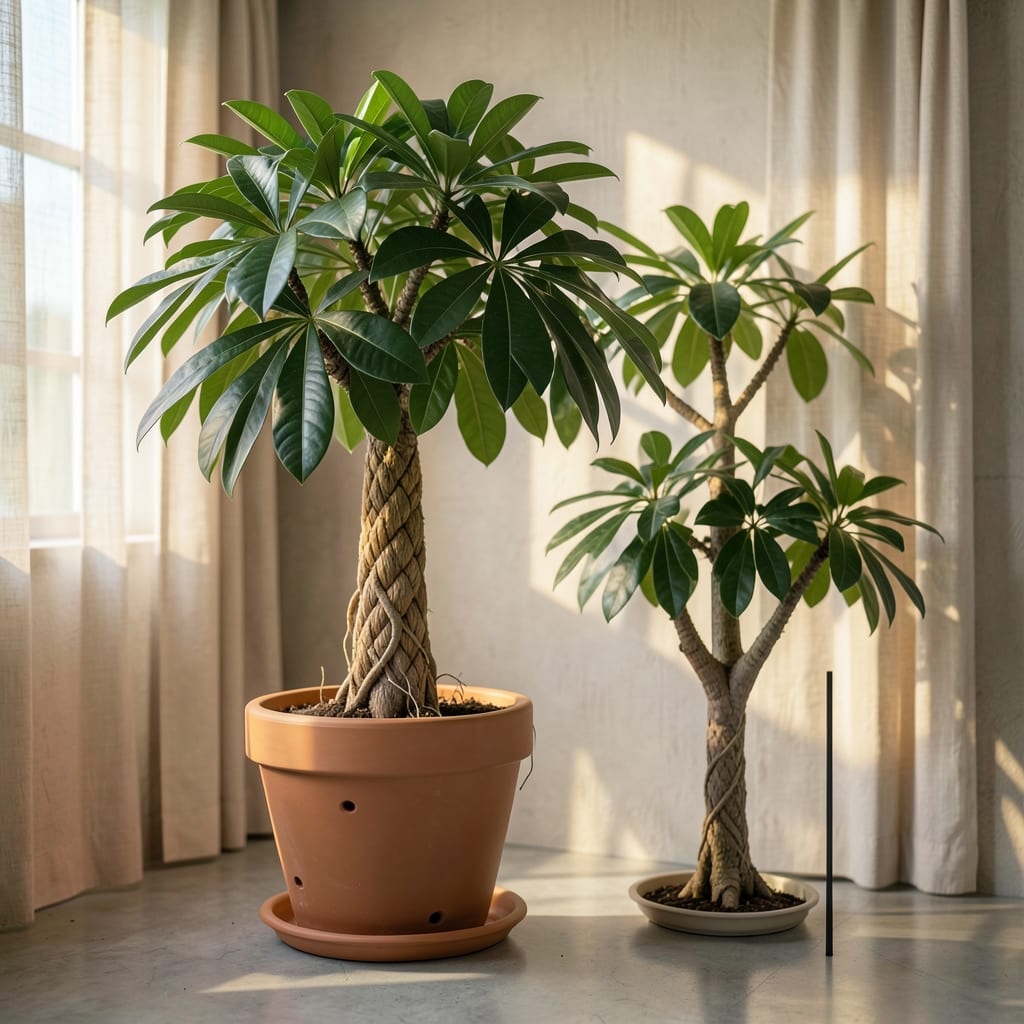
If you've ever wondered how tall can money trees grow and whether they'll soon outgrow your living room, the answer might surprise you. This popular houseplant 🌿—also called Pachira aquatica—can reach heights of 6 to 10 feet indoors with proper care, though many stay smaller thanks to strategic pruning.
But here's the thing: their growth isn't just about space. Light exposure, pot size, and even your pruning habits play huge roles in determining whether your money tree will stretch toward the ceiling or stay at a manageable height. For those with limited space, dwarf varieties or regular trimming can keep them between 2 to 4 feet, making them perfect for apartments and offices.
What's fascinating is how these trees adapt to their environment. In ideal conditions—like bright, indirect light and well-draining soil—they grow faster, but they're also surprisingly low-maintenance. Whether you're a beginner or a seasoned plant parent, understanding these growth patterns will help you shape your money tree exactly how you want it.
Ready to learn the secrets behind controlling your money tree's height? From pruning techniques to the best care practices, I'll walk you through everything you need to keep your plant thriving—no matter how tall (or short) you prefer it to be.

Money tree height guide: maximum growth by variety and conditions
The money tree (Pachira aquatica) is famous for its striking braided trunk and lush foliage, but its height potential varies dramatically based on variety and care. In ideal conditions, these tropical plants can reach 6 to 10 feet indoors, though most homegrown specimens stay between 3 to 6 feet with regular maintenance. The key difference? Variety selection and environmental factors like light exposure and pot size.
For example, the standard money tree grows tallest—up to 10 feet—when given ample space and bright indirect light. Meanwhile, dwarf varieties (like the popular bonsai types) max out at 2 to 4 feet, making them perfect for small apartments or offices. Even the same plant can grow differently depending on whether it's grown indoors or outdoors in warmer climates.
Outdoors in tropical zones (USDA zones 10-11), money trees can grow even taller—sometimes exceeding 15 feet—since they're not confined by pots. But indoors, their growth slows naturally due to limited space and seasonal light changes. Understanding these natural growth patterns helps you set realistic expectations and plan for your plant's future size.
Here's a quick comparison to put things in perspective: A mature money tree indoors is roughly the height of a standard bookshelf (6 feet) but shorter than the average person (5'6"). If you're worried about ceiling clearance, dwarf varieties or regular pruning can keep your plant at a manageable height while still providing that tropical vibe.
| Variety | Max Height (Indoors) | Growth Rate | Ideal Conditions |
|---|---|---|---|
| Standard Money Tree (Pachira aquatica) | 6–10 ft | Moderate (1–2 ft/year) | Bright indirect light, large pots |
| Dwarf Money Tree (Bonsai) | 2–4 ft | Slow (6–12 in/year) | Pruned regularly, small pots |
| Semi-Dwarf Money Tree | 4–6 ft | Moderate (1 ft/year) | Medium pots, balanced light |
| Outdoor Money Tree (Tropical Zones) | 10–15 ft+ | Fast (2–3 ft/year) | Full sun, well-draining soil |
Light exposure is one of the biggest factors in determining how tall your money tree will grow. These plants thrive in bright indirect light, which encourages steady, healthy growth. Place yours near an east or west-facing window for optimal results—south-facing windows can work too, but avoid harsh afternoon sun, which can scorch the leaves. Without enough light, your money tree will grow slowly and may develop long, leggy stems as it stretches toward any available light source.
Pot size also plays a crucial role. Money trees are root-bound sensitive, meaning they grow faster when their roots fill the pot. If you want a taller plant, use a large pot (12+ inches in diameter) to encourage vertical growth. For shorter, bushier plants, keep them in smaller pots or prune regularly to control height. Repotting every 2–3 years gives roots more room to expand, which often results in a growth spurt.
Another surprising factor is humidity levels. Money trees originate from tropical rainforests, so they love 60%+ humidity. In dry indoor environments (like heated homes), growth slows significantly. To encourage faster, healthier growth, consider using a humidifier or placing a tray of water with pebbles near your plant. You'll often see a noticeable difference in leaf size and growth rate within weeks.
Finally, remember that money trees grow in seasonal cycles. They typically grow fastest in spring and summer when days are longer and light is more abundant. During fall and winter, growth slows as the plant enters a natural dormancy phase. This is why you might see a growth spurt in spring—sometimes adding 1–2 feet in just a few months—followed by slower growth in cooler months.
How to control money tree height: pruning and care secrets
If you're wondering how to keep your money tree from reaching for the ceiling—or how to encourage it to grow taller—pruning is your secret weapon. The right cuts at the right time can transform a leggy, overgrown plant into a compact, bushy beauty or help it stretch toward the sky. For most money trees, the best time to prune is in early spring, just as new growth begins. This encourages fuller foliage and controls height naturally.
Start by examining your plant's structure. Look for overly long stems or branches that are growing in unwanted directions. Use clean, sharp pruning shears to make cuts just above a leaf node (the bump where leaves grow). This encourages new growth to sprout from that point, creating a bushier shape. For height control, focus on cutting the topmost stems—this signals the plant to grow wider rather than taller.
🌱 Pro Tip: Prune for Purpose
Want a shorter plant? Cut the top 2-3 inches off the main stem. Aiming for height? Prune side branches to redirect energy upward. Always use sterilized tools to prevent disease, and avoid cutting more than 1/3 of the plant at once.
Pot size plays a surprising role in height control. Money trees grow faster when their roots are slightly root-bound, meaning they've filled most of the pot. If your plant isn't growing tall enough, it might need a larger pot (12+ inches in diameter) to encourage vertical expansion. However, if you want to limit height, keep it in a smaller pot or prune regularly to maintain its size. Repotting every 2-3 years gives roots the space they need to fuel growth.
Light exposure directly impacts how your money tree grows. These plants thrive in bright indirect light, which promotes steady, upward growth. If your money tree is growing too slowly, move it closer to an east or west-facing window. Avoid harsh afternoon sun, which can scorch leaves and stunt growth. In low-light conditions, growth slows dramatically, and stems may become long and leggy as the plant stretches toward any available light.
Fertilizer can also influence height. During the growing season (spring and summer), use a balanced fertilizer (10-10-10) every 4-6 weeks to encourage healthy growth. However, avoid over-fertilizing, which can lead to salt buildup in soil and root damage. In fall and winter, reduce or stop fertilizing entirely, as the plant enters dormancy and growth slows naturally.
Finally, don't underestimate the power of humidity. Money trees love 60%+ humidity, which mimics their tropical origins. In dry indoor environments, growth slows significantly. To encourage faster, healthier growth, place a humidifier nearby or use a pebble tray with water. You'll often see larger leaves and faster growth within weeks, making your money tree thrive exactly how you want it to.