
Size
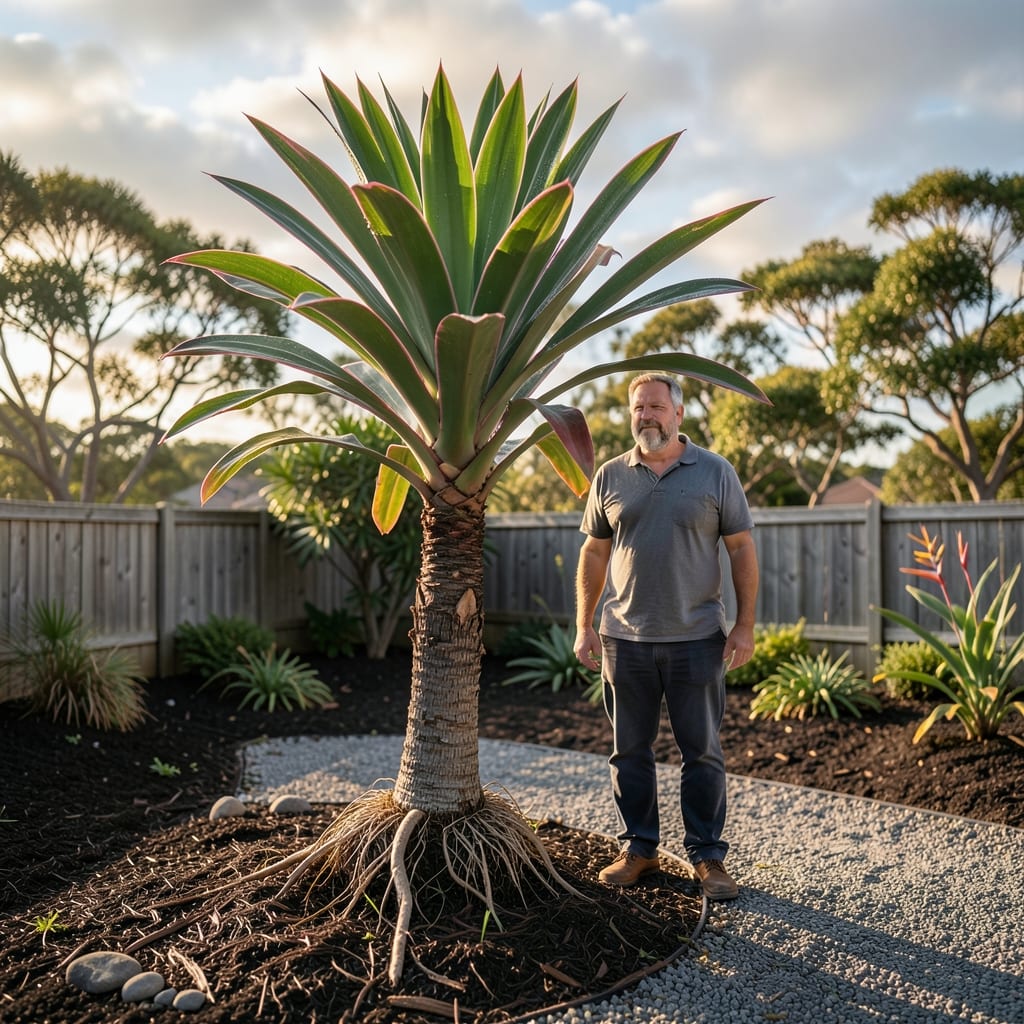
Cordyline height variations: from dwarf types to towering giants (with exact growth data)
Cordylines are nature's shape-shifters—some stay compact enough for a window sill, while others reach towering heights like small trees. The key to choosing the right variety lies in understanding their mature height ranges, which can vary by 300% between the smallest and largest types. Whether you're designing a balcony garden or a backyard oasis, knowing these dimensions helps you plan spacing, pruning, and even container sizes.
Most Cordylines grow 3 to 15 feet tall, but their first-year growth is often deceptive—what starts as a 2-foot sapling can become a 10-foot statement plant in just 5 years. The fastest growers, like Cordyline australis, add 2 to 3 feet per year, while slower varieties like Cordyline 'Red Star' stay under 4 feet even after a decade. Climate also plays a role: warmer zones (USDA 9-11) accelerate growth, while cooler areas may see stunted height without protection.
The Ti Plant (Cordyline fruticosa) is the most iconic variety, typically reaching 6 to 10 feet in tropical climates but often staying 4 to 6 feet in containers. Meanwhile, dwarf varieties like Cordyline 'Baby Doll' max out at 2 to 3 feet, making them perfect for indoor pots or small patios. Even within a single species, cultivar differences can mean the gap between a compact bush and a tall stalk is just a few inches.
| Variety | Mature Height (ft) | Growth Rate (ft/year) | Ideal Spacing (ft) | Notes |
|---|---|---|---|---|
| Cordyline 'Baby Doll' | 2–3 ft | 0.5–1 ft | 1–2 ft | Dwarf, clumping, great for containers |
| Cordyline 'Red Star' | 3–4 ft | 0.5–1 ft | 2–3 ft | Slow-growing, vibrant foliage |
| Cordyline fruticosa 'Ti Plant' | 6–10 ft | 1.5–2.5 ft | 4–6 ft | Classic tropical look, needs space |
| Cordyline australis | 8–15 ft | 2–3 ft | 6–8 ft | Fastest grower, needs full sun |
| Cordyline 'Firebrand' | 4–6 ft | 1–1.5 ft | 3–4 ft | Bold red foliage, medium height |
| Cordyline 'Sunset' | 5–7 ft | 1–2 ft | 4–5 ft | Striking variegation, sun-tolerant |
If you're growing Cordylines in containers, height is easier to control—root-bound plants naturally slow their vertical growth. A 15-gallon pot will cap most varieties at 4 to 5 feet, while 5-gallon pots keep them under 3 feet. For outdoor plantings, spacing is critical: tall varieties need 6 to 8 feet between plants to avoid crowding, while dwarf types thrive with just 2 feet of clearance. Overcrowding leads to stunted growth and pests, so always factor in their mature width (often 3 to 5 feet) when planning.
Light exposure also tweaks height—full sun encourages taller growth, while partial shade keeps plants stockier and bushier. In low-light conditions, Cordylines may grow only half their expected height, but their foliage becomes more vibrant. For example, a Cordyline australis in bright indirect light might stay at 6 feet, while the same plant in full sun could reach 12 feet. This flexibility makes them adaptable to urban balconies, shady gardens, and sun-drenched landscapes alike.
One common misconception is that all Cordylines grow as single-stemmed trees. In reality, many—like Cordyline 'Little Kitten'—form clumping habits, staying compact and bushy even at maturity. These types are ideal for border plantings or mass plantings, where their multi-stemmed structure adds texture without height. Meanwhile, single-stemmed varieties (like Cordyline 'Pink Moment') grow taller and more upright, making them better for specimen planting or background accents.
For fast results, choose hybrid varieties like Cordyline 'Burst of Color', which combines vibrant foliage with moderate growth (4–6 feet). If you're working with limited space, prioritize **dwarf or clumping
How to control Cordyline growth: pruning, container size, and root restriction techniques
Managing your Cordyline’s height is easier than you think—whether you want a compact tabletop plant or a controlled landscape statement**. The secret lies in three key techniques: pruning, container size, and root restriction. These methods let you shape growth without sacrificing the plant’s vibrant foliage or tropical charm. For example, a 6-foot 'Ti Plant' can be trimmed to 3 feet in just one season with the right approach.
Pruning is the fastest way to control height. For single-stemmed varieties like Cordyline australis, cut the main stem 1/3 of the way back in early spring to encourage bushier growth. For clumping types like 'Little Kitten', remove old or leggy stems at the base to redirect energy to younger shoots. Always use sterilized pruners and seal cuts with pruning paste to prevent disease. Prune after flowering (if applicable) to avoid sacrificing blooms.
Container size is your best friend for dwarf Cordylines. A 5-gallon pot will keep most varieties under 3 feet, while a 15-gallon pot caps growth at 4 to 5 feet. Root-bound plants naturally slow vertical growth because their roots can’t expand. For outdoor plantings, use undersized holes when transplanting—this forces roots to spread wider before growing taller. Just avoid extreme root restriction, which can cause stunted growth or root rot.
🌱 3 Key Techniques to Control Cordyline Height
- Prune in early spring – Cut stems by 1/3 to encourage bushiness. Use sterilized tools to prevent disease.
- Limit container size – 5-gallon pots keep plants under 3 ft; 15-gallon pots cap growth at 4–5 ft.
- Restrict roots – Plant in slightly undersized holes to force wider root spread before vertical growth.
✅ Best for: Compact spaces, indoor pots, and controlled outdoor plantings
Light exposure plays a sneaky role in height control. Partial shade keeps Cordylines stockier and bushier, while full sun encourages taller, leaner growth. If your plant is getting too tall too fast, move it to a shadier spot—this can reduce height by 30% or more over a growing season. For indoor plants, place them near east-facing windows to limit excessive stretching toward light.
For aggressive growers like Cordyline australis, combine techniques for maximum control. Prune in early spring, then repot into a slightly smaller container to restrict roots. Add a layer of gravel at the bottom of the pot to improve drainage and further slow vertical growth. Monitor for yellowing leaves, a sign of root stress—this means your restriction is working, but adjust if leaves appear wilting or crispy.
Remember, Cordylines are forgiving plants. Even if you prune too aggressively, they’ll bounce back with new growth within weeks. Start with small adjustments—like trimming just the top few inches—and gradually refine your approach. With these techniques, you can grow a 6-foot tropical giant in a 5-gallon pot or keep a 10-foot landscape plant tamed to 4 feet—all while keeping that show-stopping foliage intact.