
Flowers
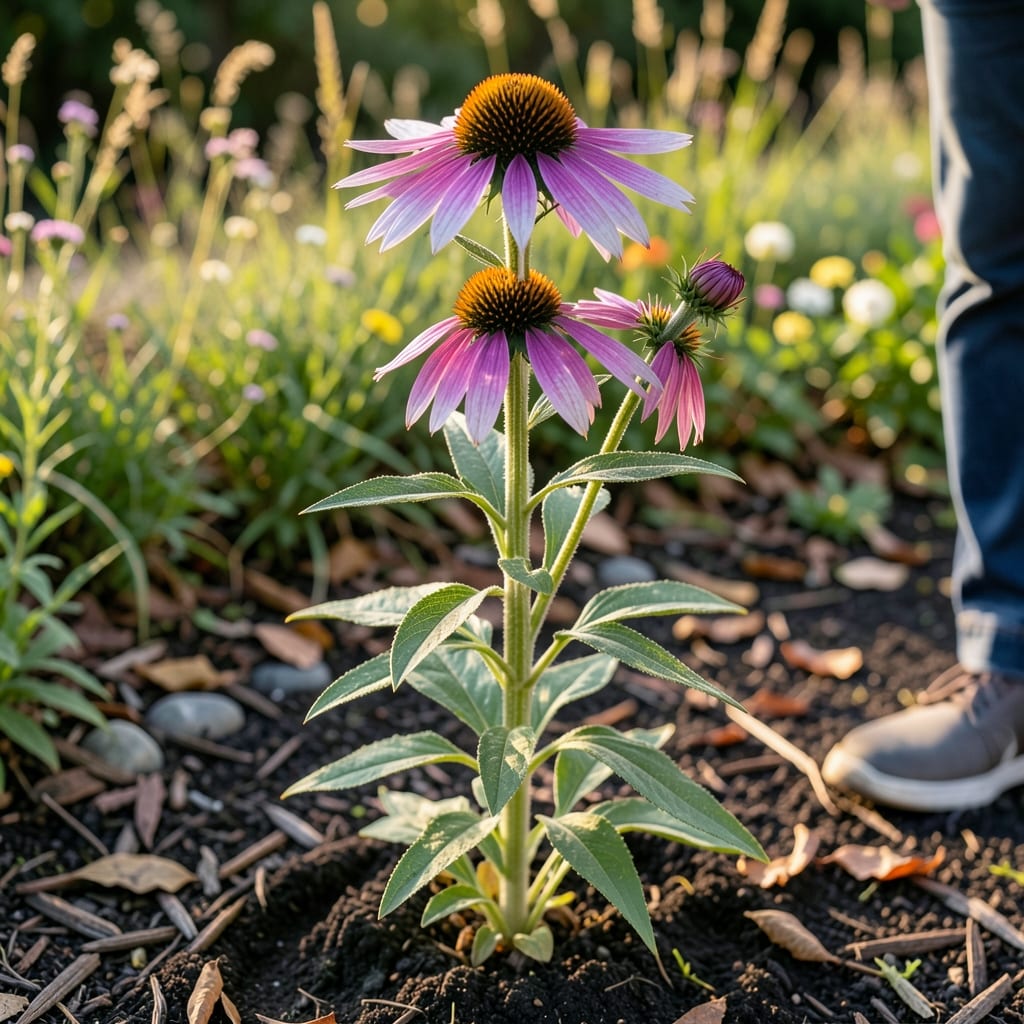
If you're wondering how tall echinacea they grow, the answer might surprise you—these hardy perennials range from dainty 1-foot dwarfs to striking 5-foot giants, depending on the variety you choose. That means you can easily match their height to your garden's layout, whether you're creating a cozy border or a dramatic wildflower meadow.
What makes echinacea so versatile is how their height evolves over time. In their first year, they might only reach 1-2 feet, but by their third season, they can more than double in stature. This gradual growth gives you plenty of time to plan your garden design around them—no last-minute surprises here!
Sunlight, soil quality, and even your pruning habits play a big role in how tall your echinacea grows. For example, 'Echinacea purpurea' typically stays between 2-4 feet, making it perfect for garden edges, while 'Echinacea paradoxa' can stretch up to 5 feet, ideal for adding height to the back of a flowerbed.
Ready to pick the perfect variety for your space? I'll walk you through the best height-based choices and spacing tips so your echinacea thrives—no matter how big (or small) your garden is.

Echinacea height by variety: from dwarf to giant bloomers
Echinacea heights can vary dramatically depending on the variety you choose, with some staying under 2 feet while others reach 5 feet tall. The key to selecting the right plant lies in understanding these differences and matching them to your garden's layout. For example, 'Green Envy' stays compact at just 1-2 feet, making it perfect for container gardens or small borders, while 'Magnus' can soar to 5 feet, ideal for creating stunning backdrops.
Most gardeners focus on three main height categories: dwarf varieties (1-2 feet), medium-height plants (2-3 feet), and tall varieties (3-5 feet). Your choice affects everything from spacing to companion planting. For instance, a 3-foot echinacea like 'White Swan' needs 18-24 inches of space between plants, while a 5-foot giant like 'Hot Papaya' requires 24-36 inches to thrive without crowding.
Here’s the critical visual guide to echinacea heights by variety, including their ideal growing conditions and best uses in your garden:
| Variety | Mature Height | Sun Needs | Best For |
|---|---|---|---|
| Green Envy | 1-2 ft | Full Sun | Containers, borders |
| White Swan | 2-3 ft | Full Sun | Cut flowers, cottage gardens |
| Magnus | 3-5 ft | Full Sun | Backdrops, wildflower meadows |
| Hot Papaya | 3-4 ft | Full Sun | Pollinator gardens, borders |
| Paradoxa | 2-3 ft | Full Sun/Part Shade | Prairie-style gardens |
| Sombrero Salsa | 1.5-2 ft | Full Sun | Small spaces, containers |
| Bright Star | 2-3 ft | Full Sun | Cutting gardens, pollinators |
| Cheyenne Spirit | 3-4 ft | Full Sun | Wildflower mixes, meadows |
| Prairie Splendor | 3-5 ft | Full Sun | Backdrop plantings |
When selecting echinacea varieties, consider your garden’s sunlight exposure and available space. For example, 'Green Envy' thrives in full sun but stays small enough for container gardens, while 'Magnus' needs ample space to reach its full 5-foot height. If you’re planting in small spaces, opt for dwarf varieties like 'Sombrero Salsa' or 'Paradoxa', which stay under 2 feet.
Another factor to consider is soil drainage. Echinacea prefers well-draining soil, and taller varieties like 'Prairie Splendor' may need extra mulch to retain moisture during hot summers. If your soil is heavy clay, amending it with compost can help prevent root rot, especially for tall echinacea varieties that have deeper root systems.
For pollinator gardens, taller varieties like 'Cheyenne Spirit' or 'Hot Papaya' attract more bees and butterflies due to their height and abundant blooms. If you’re growing echinacea for cut flowers, medium-height varieties like 'White Swan' or 'Bright Star' strike the perfect balance between height and stability, making them easier to harvest without damaging the plant.
Pro tip: If you’re unsure about spacing, always err on the side of more room. Echinacea plants can spread over time, and giving them extra space prevents crowding, which can lead to disease or reduced blooms. For example, a 3
How to choose echinacea for your garden space: height-based tips
Choosing the right echinacea variety isn’t just about color—it’s about height and how it fits into your garden’s design. If you have a small urban garden, dwarf varieties like 'Sombrero Salsa' (1.5–2 feet) are perfect for containers or window boxes. For larger spaces, 'Magnus' or 'Prairie Splendor' (3–5 feet) create dramatic backdrops. The key is matching the plant’s mature height to your layout, whether you’re planting in borders, meadows, or pollinator gardens.
Start by measuring your garden’s available space. For example, if you’re creating a front-yard border, stick to varieties under 3 feet to avoid blocking sunlight for shorter plants. In contrast, a wildflower meadow can accommodate taller echinacea like 'Cheyenne Spirit' (3–4 feet), which thrives in open, airy settings. Always leave at least 18 inches between medium-height plants and 24–36 inches for taller varieties to prevent overcrowding.
Here’s a quick reference for selecting echinacea based on your garden’s layout and goals:
| Garden Type | Best Height Range | Spacing Needs | Example Varieties |
|---|---|---|---|
| Containers | 1–2 ft | 12–18 inches apart | Green Envy, Sombrero Salsa |
| Borders | 2–3 ft | 18–24 inches apart | White Swan, Bright Star |
| Pollinator Gardens | 3–5 ft | 24–36 inches apart | Cheyenne Spirit, Hot Papaya |
| Wildflower Meadows | 3–5 ft | 30+ inches apart | Magnus, Prairie Splendor |
For pollinator gardens, taller echinacea varieties like 'Hot Papaya' or 'Cheyenne Spirit' are ideal because their height makes them more visible to bees and butterflies. Place them toward the back of your garden bed to ensure they’re easily accessible to winged visitors. If you’re growing echinacea for cut flowers, medium-height varieties like 'White Swan' (2–3 feet) are easier to harvest without toppling over.
Don’t forget about companion planting. Pairing echinacea with shorter perennials like black-eyed Susans or salvia creates visual contrast and fills gaps in your garden. For example, a 3-foot echinacea like 'Bright Star' looks stunning alongside 1-foot tall coreopsis, creating layers of color and texture. This strategy also helps maximize your garden’s vertical space while keeping maintenance manageable.
Pro tip: If you’re unsure about spacing, sketch a simple layout of your garden bed before planting. Mark where each echinacea will go, including their mature height and spread. This step saves you from overcrowding later and ensures your garden looks balanced from day one. 🌼