
How To
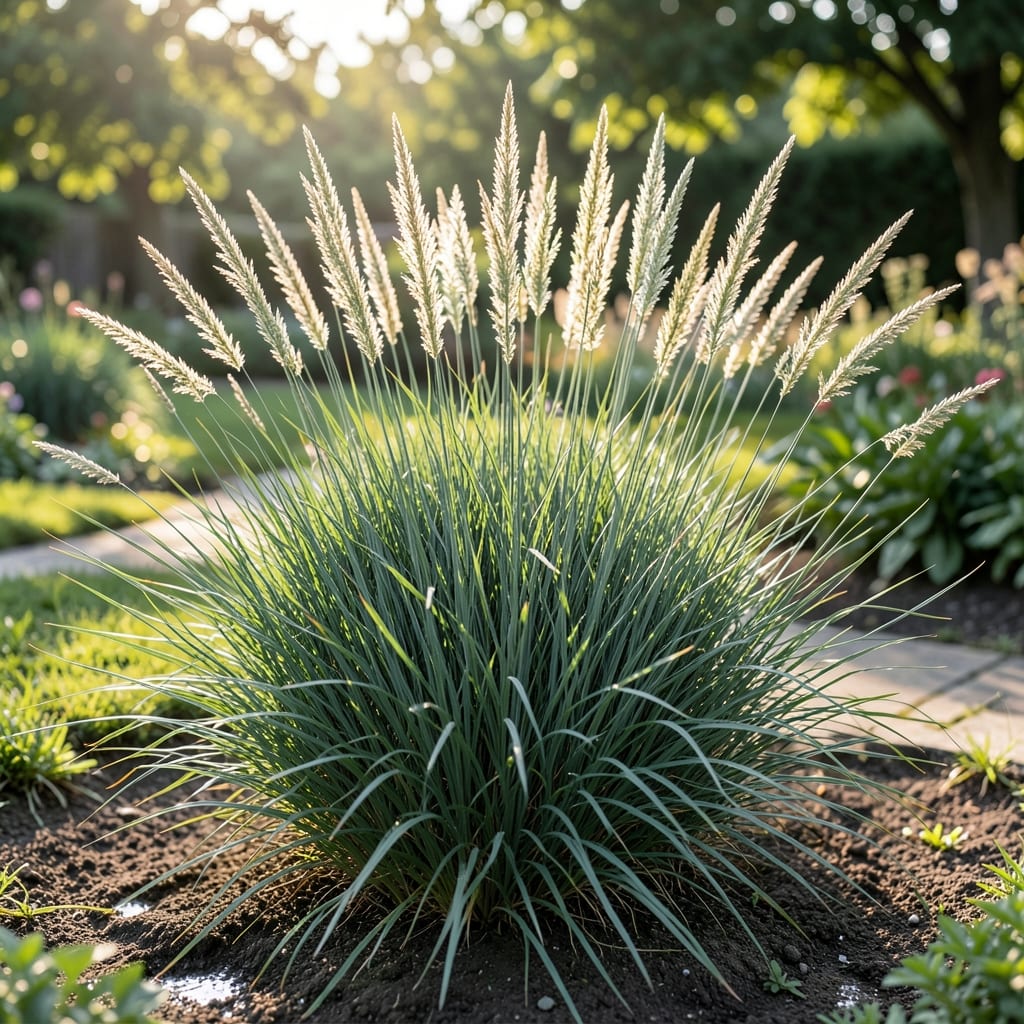
If you're wondering how fast does tall fescue grow, the answer might surprise you—this tough, cool-season grass can put down 1-2 inches per week when conditions are just right. That means a lush, dense lawn isn’t just a dream; with the right timing and care, you could see dramatic results in just a few short weeks.
Timing is everything with 🌱 tall fescue, especially if you're in USDA Zone 6a. Planting in late summer to early fall (August-September) gives your grass the best shot at establishing strong roots before winter sets in. This strategic window lets it take full advantage of warmer soil and cooler air, which are perfect for its growth spurt.
The key to unlocking that fast growth lies in a few simple adjustments: consistent watering, proper soil prep, and smart fertilization. Skip these steps, and you might find your lawn growing at a snail’s pace—or worse, struggling to fill in at all. But get it right, and you’ll be mowing a thick, vibrant carpet in no time.
Curious how tall fescue stacks up against other grasses? Or wondering what slows it down? I’ll break down the science behind its speed, plus pro tips to keep your lawn growing like it’s on a mission. Let’s get started!

Tall fescue growth rate: weeks to full coverage under perfect conditions
Tall fescue grass is a cool-season favorite for lawns because it grows quickly once established, typically reaching 1-2 inches per week under ideal conditions. This means you can expect full coverage in 4-6 weeks after planting, assuming perfect sunlight, soil moisture, and temperatures between 60°F and 75°F.
In my experience, the first 2 weeks are the slowest—this is when seeds germinate and tiny sprouts push through the soil. After that, growth accelerates rapidly, especially with consistent watering and proper fertilization. By week 4, your lawn will look lush and dense if you’ve followed the care basics.
Here’s what you can expect at each stage of growth:
| Stage | Growth Rate | Time to Coverage | Key Conditions |
|---|---|---|---|
| Germination | 0.1-0.2 in/week | 5-7 days | Soil temp 60°F+, moisture |
| Seedling | 0.5 in/week | 2-3 weeks | Sunlight 6+ hours/day |
| Establishment | 1-2 in/week | 4-6 weeks | Fertilizer, consistent water |
| Mature Growth | 0.5-1 in/week | Ongoing | Regular mowing, seasonal care |
During the establishment phase, tall fescue’s growth rate is most dramatic. If you’ve planted in late summer to early fall (the ideal window), you’ll see the fastest results because cooler temperatures reduce stress on young plants. In contrast, planting in spring or late fall can slow growth by 20-30% due to temperature fluctuations.
One common mistake I see is overwatering during germination. While consistent moisture is crucial, soggy soil can suffocate seeds. Aim for 1 inch of water per week, delivered in the morning to prevent fungal issues. A soaker hose or drip irrigation system works best for even distribution.
Temperature plays a huge role too. Tall fescue grows best between 60°F and 75°F. If you’re in a hotter climate, early morning watering and afternoon shade (from trees or temporary shade cloth) can help maintain that ideal range. In cooler zones, growth slows below 50°F, but the grass remains dormant until spring.
For the fastest results, I recommend aerating your soil before planting. This improves root penetration and nutrient absorption, which directly impacts growth speed. Combine this with a slow-release fertilizer (like 10-10-10) applied at planting time, and you’ll see 2-3 inches of growth per week in the early stages.
Once established, tall fescue’s growth rate slows slightly but remains steady. Mowing at 3-4 inches tall encourages thicker growth and prevents weeds from outcompeting your grass. This height also helps the grass retain moisture better during dry spells, which is a huge plus in drought-prone areas.
If you’re impatient like me, you might be tempted to mow too early to speed up the process. But resist! Cutting too short stresses the grass and can halve your growth rate temporarily. Wait until the grass reaches 3-4 inches before your first mow, and always remove no more than 1/3 of the blade height at a time.
🌱
Tall fescue growth rate: weeks to full coverage under perfect conditions
Tall fescue grass is a cool-season favorite for lawns, and understanding its growth speed helps you time everything from planting to mowing. Under ideal conditions—consistent moisture, full sun, and warm soil—tall fescue grows 1 to 2 inches per week once established. But the real magic happens in the first few weeks after planting, where germination and early growth set the stage for a thick, resilient lawn.
Germination typically takes 7 to 14 days in warm soil (around 60-75°F), with sprouts appearing faster in moist, well-aerated soil. Once sprouted, young blades grow slowly at first but accelerate to ½ inch per week by the 4th week. Full coverage—where the lawn looks lush and uniform—usually takes 6 to 8 weeks under perfect conditions, though cooler temperatures or poor soil can stretch this timeline to 10-12 weeks.
Here’s how tall fescue’s growth breaks down by stage, so you know what to expect and when to adjust your care routine:
| Stage | Growth Rate | Time to Coverage | Key Conditions |
|---|---|---|---|
| Germination | N/A (sprouts appear) | 7-14 days | Soil temp: 60-75°F, moisture |
| Early Growth | ½ inch/week | Weeks 3-4 | Sunlight: 6+ hours/day |
| Active Growth | 1-2 inches/week | Weeks 5-8 | Water: 1 inch/week |
| Full Coverage | Slows to maintenance | 6-12 weeks | Fertilizer: Balanced NPK |
Seasonal timing matters too. Planting tall fescue in late summer to early fall (August-September) gives it a head start before winter dormancy. If you plant in spring, growth slows during hot summer months, and you’ll likely see patchy coverage until cooler weather returns. Always aim for 60-75°F soil temps—this sweet spot keeps growth steady and minimizes stress.
Once your tall fescue reaches full coverage, growth shifts to maintenance mode, with blades elongating ½ to 1 inch per week during peak seasons. This is when regular mowing (every 1-2 weeks) keeps your lawn looking sharp. If you notice slower growth, check your soil moisture and sunlight exposure—these two factors make the biggest difference in speed.
Pro tip: Overwatering or mowing too short (below 2 inches) stresses the grass, slowing growth. Stick to 3-4 inches tall for optimal health and speed. With the right care, your tall fescue will reward you with a dense, drought-resistant lawn in just a few months.