
How To
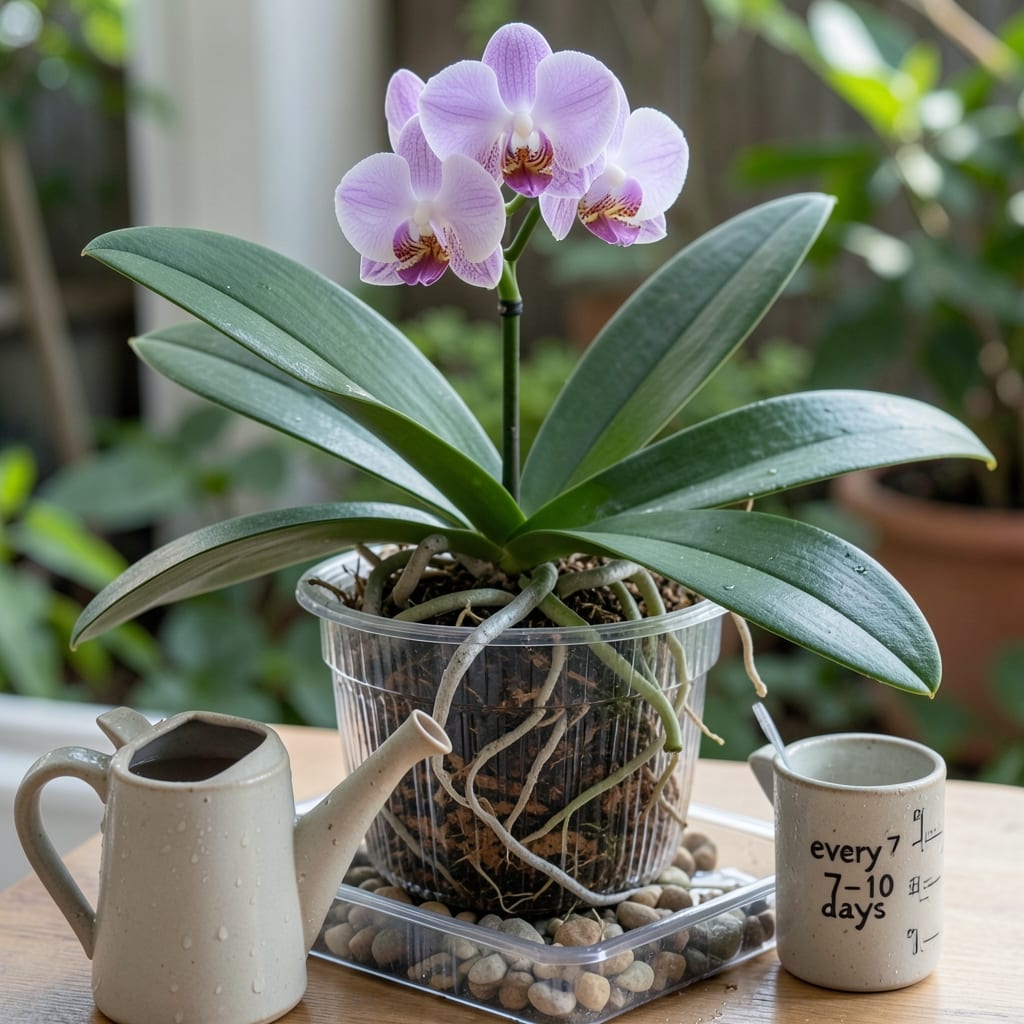
Mastering how often to water orchids in clay pebbles can mean the difference between a thriving 🌸 and a struggling one. Unlike traditional soil, clay pebbles drain quickly, making it tricky to find that sweet spot between underwatering and drowning your plant's roots.
If you've ever watched your orchid's leaves turn yellow or its roots shrivel, you know how frustrating it can be. The key isn't just about watering frequency—it's about understanding when your orchid's environment signals it's time to hydrate or hold back.
I've discovered that the 3-day rule works wonders for my Phalaenopsis orchids in Zone 6 climates. This simple approach ensures your plant gets just the right amount of moisture without the guesswork, while keeping those delicate roots happy and healthy.
Let's dive into exactly how to apply this rule, what signs to watch for, and how to troubleshoot common mistakes that might be sabotaging your orchid's growth—so you can enjoy lush blooms all year round.
The 3-Day watering rule: when and how to water orchids in clay pebbles
Clay pebbles create a unique challenge for orchid care—they drain moisture 3x faster than traditional bark mixes. This means your orchid's roots dry out quicker, but also that overwatering risks become far more dangerous. The 3-day rule I've perfected balances these extremes by matching watering to your orchid's actual needs rather than a rigid schedule.
Here's the science: Clay pebbles hold just enough moisture to keep roots hydrated for 72 hours in average indoor conditions (60-70% humidity). After that, roots begin to shrink slightly as they signal thirst. This natural cycle is why the 3-day window works perfectly—it lets your orchid's roots breathe between waterings while preventing dehydration.
Your first step is to test the pebbles before watering. Stick your finger about 1 inch deep into the pebbles. If they feel completely dry, it's time to water. If you feel any moisture at all, wait another day. This simple check eliminates guesswork and prevents both root rot and leaf wrinkling.
When you do water, use the soak-and-drain method: Place your orchid pot in a tray of room-temperature water for 10-15 minutes. This ensures water penetrates all pebbles without leaving dry pockets. After soaking, let it drain completely—never leave it sitting in water, as stagnant moisture causes fungal growth.
Day 1: Initial Watering
Soak pot in water for 10-15 minutes until pebbles are fully saturated. Drain completely.
Days 2-3: Monitor Roots
Check pebbles daily. If they feel dry at 1-inch depth, water again on Day 3.
Day 4+: Reset Cycle
If roots remain green and firm, wait another 3 days before repeating. Adjust for humidity changes (more frequent in dry air).
Year-Round Adjustments
Winter: Extend to 4-5 days (lower evaporation). Summer: Water every 2 days if humidity drops below 50%.
One common misconception is that orchids in clay pebbles need more frequent watering because the pebbles look dry. But remember: clay holds moisture differently than bark. The visual dryness doesn't always match root hydration. Always check with your finger—this simple habit saves orchids from both thirst stress and waterlogged roots.
For Phalaenopsis orchids specifically, I've found that morning watering works best. Why? Watering in the morning gives roots all day to absorb moisture before evening humidity spikes, which can trap moisture and promote rot. Plus, the sunlight during the day helps evaporate any excess surface moisture that might linger.
If you notice your orchid's leaves start curling or the pseudobulbs feel soft, you're likely underwatering. But if the roots turn black or the pebbles stay soggy for days, you're overdoing it. The 3-day rule helps you spot these signs early before they become critical. Trust your orchid's natural signals—it will tell you exactly when it needs water.
Pro tip: Keep a watering journal for your orchid. Note the date, how the pebbles felt, and any changes in the plant's appearance. Over time, you'll recognize patterns unique to your home's humidity levels and temperature fluctuations, allowing you to fine-tune the 3-day rule to perfection.
The 3-Day watering rule: when and how to water orchids in clay pebbles
Clay pebbles create a unique challenge for orchid care—they drain moisture 3x faster than traditional potting mixes, which means your orchid's roots dry out quicker than you might expect. The 3-day rule isn't arbitrary; it accounts for how clay pebbles release moisture gradually while still preventing root suffocation. Think of them like a mini reservoir that holds just enough water between soakings.
When I first switched my Phalaenopsis orchids to clay pebbles, I struggled with overwatering because I assumed they needed frequent hydration like soil-grown plants. But orchid roots thrive in a semi-hydroponic environment, where they get oxygen and moisture in perfect balance. The 3-day cycle gives roots time to breathe while still staying hydrated.
Here’s how to apply it: After a thorough soaking, wait 3 full days before checking moisture levels again. Stick your finger about 1 inch into the pebbles—if they feel dry at the base, it’s time to water. If they’re still damp, extend the wait to 4-5 days, especially in cooler months when evaporation slows.
Pro tip: Use room-temperature water to avoid shocking the roots. Cold water can cause temperature stress, while lukewarm water mimics natural conditions. I’ve found that morning watering works best—it gives roots all day to absorb moisture before evening humidity spikes.
Your orchid’s root color is your best indicator. Healthy roots in clay pebbles should be silver-green when dry and green when hydrated. If they stay gray or mushy, you’re overwatering. If they shrivel or turn brown, it’s time to increase your 3-day intervals.
Remember, clay pebbles don’t hold nutrients like soil, so pair this watering rule with monthly fertilizer during growing seasons. A diluted 20-20-20 solution every 4-6 weeks keeps your orchid blooming beautifully without overwhelming its delicate system.