
How To
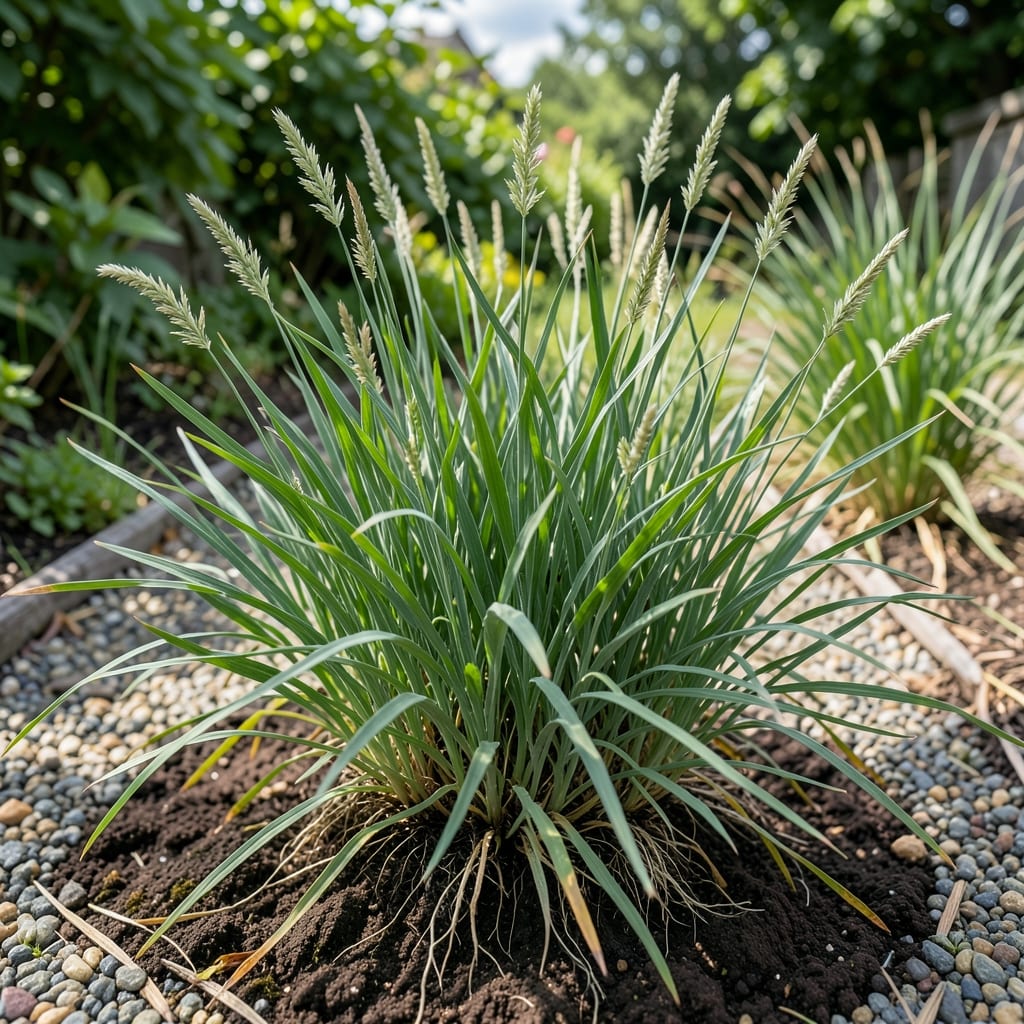
If you’ve ever planted tall fescue seeds and wondered how long it takes to grow, you might be surprised to learn that patience is actually the key to success. Understanding the timeline isn’t just about counting days—it’s about setting realistic expectations for your new lawn’s transformation.
The journey from seed to a lush 🌱 tall fescue lawn typically spans 21-30 days, but the real magic happens in stages. Germination kicks off in just 7-14 days, but reaching that coveted 3-inch thickness takes consistent care. I'll walk you through what to expect at each phase and how to optimize growth for your specific climate.
Many homeowners assume faster means better, but rushing the process can actually backfire. Too much water or improper soil prep can slow down growth or even kill young seedlings. Let's break down the science behind tall fescue's growth timeline and how you can create perfect conditions for success.
Whether you're planting in USDA Zone 6a during spring or fall, these insights will help you track progress and troubleshoot common issues. By the end, you'll know exactly when to expect visible results and how to maintain that vibrant lawn once it's established.


Tall fescue germination timeline: what to expect in 7-14 days
Understanding the tall fescue germination timeline is the first step to growing a healthy lawn. Most seeds begin sprouting within 7-14 days under ideal conditions, but this window can shift based on factors like soil temperature and moisture levels. The key is patience—rushing the process rarely speeds things up and often causes more harm than good.
When you plant tall fescue seeds at a depth of ¼ inch, they need consistent moisture to activate germination. Think of it like waking a sleeping plant—too little water keeps it dormant, while too much can suffocate the seeds. Aim for 1 inch of water per week, applied evenly to avoid dry pockets.
One common misconception is that germination happens overnight. In reality, tall fescue seeds require specific conditions to break dormancy. The optimal soil temperature ranges between 60-75°F. If your climate runs cooler, germination may take 2-3 weeks instead of the typical 7-10 days.
During this phase, you’ll notice tiny green shoots emerging first. These delicate sprouts are highly sensitive to environmental stress, so avoid walking on the area or disturbing the soil. Even light foot traffic can uproot young seedlings before they establish roots.
🌱 Tall Fescue Germination Summary
| Stage | Timeframe | Key Conditions |
|---|---|---|
| Seed Activation | 1-3 days | Moisture + 60-75°F soil |
| First Sprouts | 7-14 days | Consistent watering, no traffic |
| Root Establishment | 14-21 days | Full sun exposure, 1" water/week |
If your seeds aren’t sprouting within 2 weeks, don’t panic—but do investigate. Check for uneven soil moisture, which can create dry patches where seeds fail to germinate. A light misting with a hose attachment can help ensure consistent dampness without over-saturating the soil.
Another critical factor is seed-to-soil contact. Seeds need direct contact with moist earth to absorb water and begin growing. If you’ve spread seeds over dry or compacted soil, gently rake the area to create better contact before watering.
Once you see those first green shoots, resist the urge to fertilize. Young seedlings are sensitive to high nutrient levels, which can burn delicate roots. Instead, focus on light, frequent watering to encourage steady growth during the next 2 weeks.
Remember, tall fescue germination isn’t a race—it’s a process. The seeds you plant today won’t become a lush lawn overnight, but with the right conditions, you’ll see noticeable progress in just 3-4 weeks. Patience and consistency are your best tools in this early stage.
As your seedlings grow, keep an eye out for even coloration and uniform height. These are signs of healthy, balanced growth. If you notice yellowing or stunted areas, it may indicate fungal issues or nutrient deficiencies, both of which can be addressed with targeted care.
By understanding this 7-14 day germination window, you’ll be better prepared to troubleshoot any delays and create the perfect conditions for your tall fescue to thrive from the very beginning. The foundation you build now will determine how quickly your lawn reaches that 3-inch thickness in the coming weeks.
From sprouts to 3-Inch grass: growth stages and speeding up establishment
Once your tall fescue seeds have sprouted, the real transformation begins. The journey from delicate green shoots to a 3-inch thick lawn typically takes 21-30 days, but this timeline can vary based on your care routine and local climate. Understanding each growth stage helps you optimize conditions for faster, healthier establishment.
During the first 2 weeks after germination, your seedlings will focus on developing root systems rather than visible growth. This is why your lawn might not look dramatically different yet—those roots are the foundation for future strength. Consistent watering remains critical, but now you can gradually reduce frequency to every 3-4 days instead of daily misting.
Around Day 14-21, you’ll notice rapid above-ground growth as the grass begins to fill in. This is when fertilization becomes beneficial—apply a balanced 10-10-10 fertilizer at half-strength to avoid burning young plants. The key is patience; rushing fertilization can actually slow establishment by overwhelming tender roots.
🌱 Tall Fescue Growth Milestones
- Day 7-14: Seedlings emerge with 1-inch height. Focus on gentle watering and no foot traffic.
- Day 14-21: Grass reaches 2-inch height. Begin light fertilization and thin mowing at 3 inches.
- Day 21-30: Lawn reaches 3-inch thickness. Increase watering to 1 inch per week and regular mowing.
At the 3-inch mark (typically 21-30 days after planting), your lawn will look dramatically different—dense and uniform. This is when you can adjust your mowing height to 2.5-3 inches to encourage deeper root growth. Never remove more than ⅓ of the blade height in one mowing to avoid stressing the grass.
Common mistakes during this stage include overwatering or skipping mowing. Too much water creates shallow roots, while neglecting mowing allows weeds to take over. Aim for deep, infrequent watering (1 inch per week) and regular mowing to maintain that perfect lawn texture.
For faster establishment, consider overseeding in areas with thin coverage. Spread additional seeds during the 2-week mark when you first see rapid growth. This technique helps fill bare spots without overwhelming your existing seedlings. Just be sure to keep the area consistently moist for the first 7 days after overseeding.
By Day 30, your tall fescue should be well-established with a 3-inch thick coverage. At this point, you can transition to a standard maintenance schedule—watering 1 inch per week, mowing at 2.5-3 inches, and fertilizing every 6-8 weeks. The key to long-term success is consistency in these early stages.