
How To
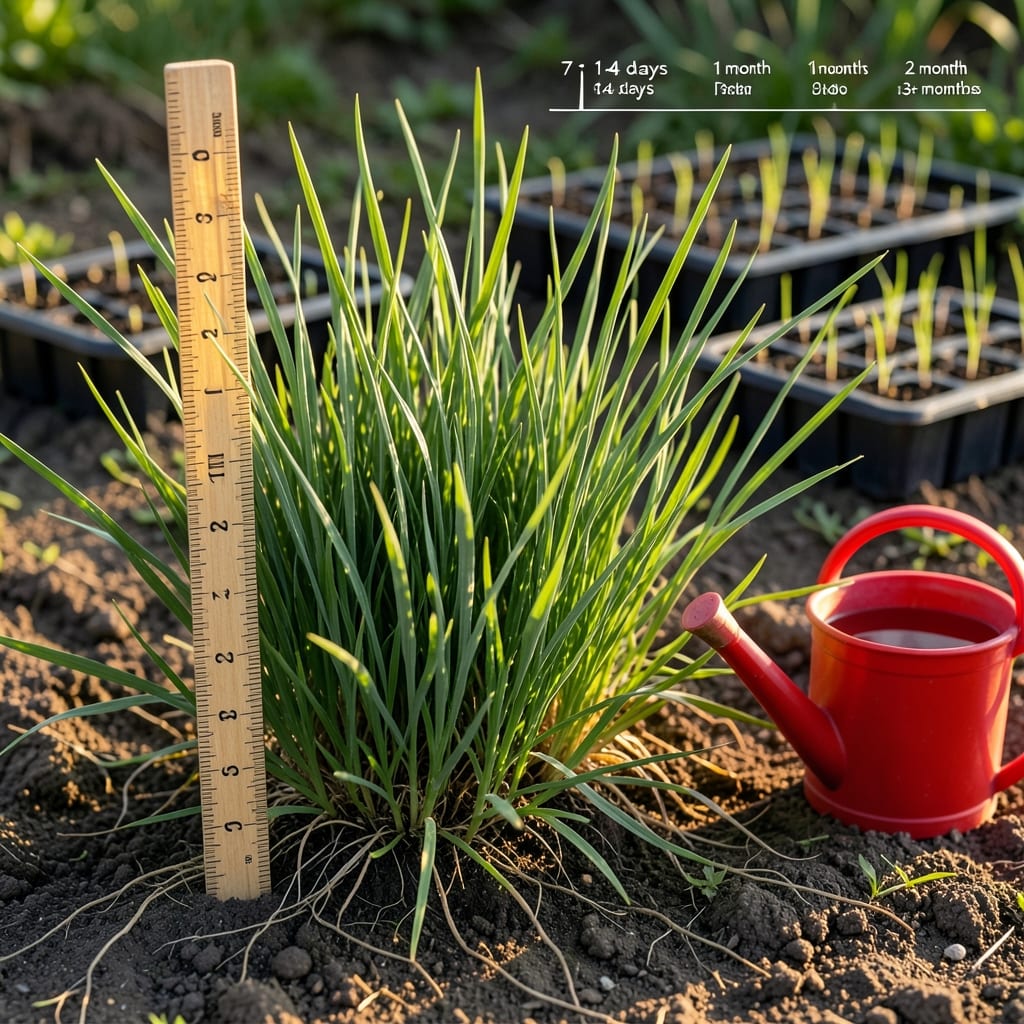
If you've ever planted tall fescue 🌱 hoping to understand how long for the grass to grow, you know the wait can feel endless. The truth is, this hardy grass follows a precise growth timeline—one that rewards patience with a lush, drought-resistant yard when you follow the right steps.
From those first tiny sprouts peeking through the soil to full coverage, understanding how long for tall fescue to grow helps you set realistic expectations. We're talking 7–21 days for germination, but true establishment takes 30–60 days—and that's just the beginning. Let's break down exactly what to expect month by month.
Your success hinges on two key factors: timing and conditions. Planting in early spring or fall in USDA Zone 6a gives your seeds the ideal window to thrive, while proper soil prep and moisture levels can shave weeks off your waiting game. Skip these, and you might be staring at bare patches for months longer than necessary.
Ready to transform your lawn? I'll walk you through every stage—from those first blades to full maturity in 6–12 months—plus pro tips to accelerate the process. Let's get growing!

Tall fescue growth timeline: month-by-month development stages
If you're planting tall fescue for a lush, low-maintenance lawn, understanding its growth stages helps you set realistic expectations. From germination to full coverage, each phase depends on soil conditions, temperature, and your care routine. Let’s break down what to expect month by month.
The journey begins with seed germination, which typically takes 7–21 days after planting, depending on moisture and warmth. Once sprouts appear, roots start establishing, but visible growth takes time. By month 3, you’ll see significant improvement if conditions are ideal.
🌱
| Stage | Action | Timeframe | Key Focus |
|---|---|---|---|
| Germination | Seeds sprout | 7–21 days | Keep soil moist, 60–75°F |
| Seedling Growth | First blades appear | 3–4 weeks | Light watering, avoid compacting soil |
| Root Establishment | Deep roots form | 6–8 weeks | Reduce watering, encourage drought tolerance |
| Visible Thickening | Lawn fills in | 3–6 months | Mow at 3–4 inches, fertilize lightly |
| Full Maturity | Complete coverage | 6–12 months | Minimal watering, regular mowing |
In month 1, focus on maintaining consistent moisture while avoiding waterlogging, which can suffocate young seeds. Once sprouts emerge, thin them to 1/2 inch apart to prevent overcrowding. By month 2, roots begin deepening, but the lawn will still look sparse.
By month 3, you’ll notice faster growth as roots establish, but full coverage takes patience. If planted in spring, expect significant thickening by late summer. For fall plantings, growth slows in winter but resumes vigorously in spring.
🌿
For fastest results, aim for spring planting (March–April) when soil temperatures are 50–65°F. Fall planting (September–October) also works well, avoiding the stress of summer heat. Avoid planting in summer, as high temperatures can delay germination and increase drought risk.
Once established, tall fescue becomes drought-tolerant, but young grass needs regular watering—about 1 inch per week during the first growing season. Reduce watering as roots deepen to encourage resilience.
By month 6, your lawn should show dense coverage, and by year 1, it will handle foot traffic and resist weeds better. With proper care, tall fescue matures into a deep-rooted, shade-tolerant grass that outperforms many alternatives.
🪴
Factors that speed up or delay tall fescue establishment
Your tall fescue growth timeline isn't set in stone—it depends heavily on environmental factors you can control. The right conditions can cut weeks off your waiting time, while poor choices may stretch establishment to 18+ months. Let’s explore the key variables that determine how long for tall fescue to grow in your yard.
First, soil temperature is critical. Seeds need soil between 50–65°F to germinate. Planting in spring (March–April) or fall (September–October) gives you the best shot at ideal temps. Summer heat above 80°F can delay germination by 2–4 weeks, while winter planting risks frost damage.
🌡️
- Soil Temperature: Ideal 50–65°F speeds germination; below 45°F or above 80°F delays growth.
- Moisture Levels: Consistent moisture (1 inch/week) prevents drying; overwatering causes rot.
- Seed Quality: Fresh, high-quality seeds germinate 30–50% faster than old or low-grade seeds.
- Sunlight Exposure: 6+ hours of sun daily accelerates growth; shade slows thickening.
- Soil Preparation: Loose, well-drained soil with compost reduces establishment time by 20–30%.
Next, moisture management makes or breaks your timeline. Young tall fescue needs 1 inch of water weekly during germination, but avoid soggy soil—waterlogging suffocates seeds. Once roots establish (after 6–8 weeks), reduce watering to train the grass to be drought-tolerant. Skipping this step can leave your lawn vulnerable to brown patches during dry spells.
Seed quality also plays a surprising role. Premium tall fescue seed with a 90%+ germination rate will sprout 30–50% faster than bargain seeds. Check the packaging date—seeds older than 1 year lose viability. If you’re reusing old seed, soak it in lukewarm water for 24 hours to boost germination rates.
Don’t overlook sunlight exposure. While tall fescue tolerates partial shade, it thrives with 6+ hours of direct sun daily. Areas with less than 4 hours of sun may see thinner growth and slower thickening. If your yard has shady spots, consider overseeding with fine fescue, which handles shade better.
Finally, soil preparation sets the foundation. Compacted or clay-heavy soil stunts root growth, while loose, well-draining soil with compost can cut establishment time by 20–30%. Before planting, till the top 4–6 inches of soil and mix in 2–3 inches of compost. This improves aeration and nutrient availability, helping your grass establish 2–4 weeks faster.
🪴