
How To
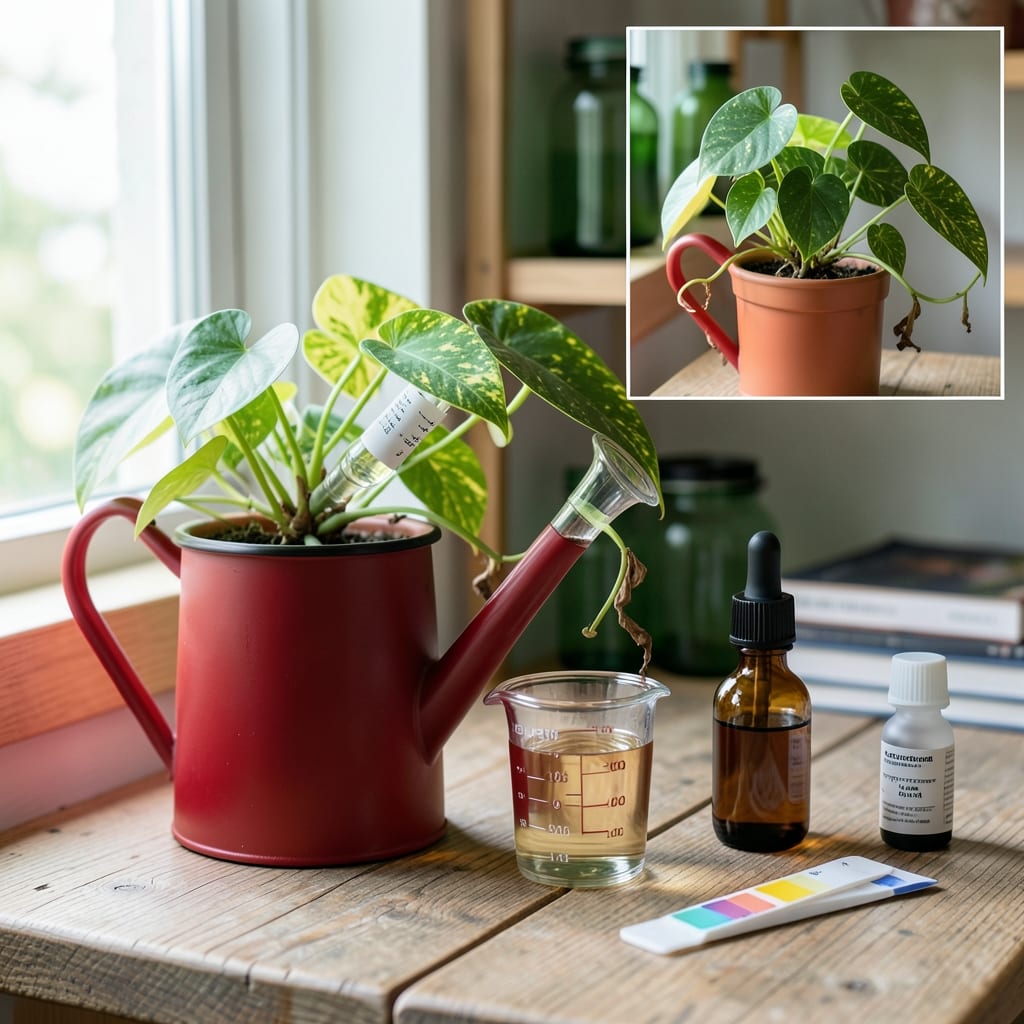
If your 🌱 General Plant’s roots look sluggish or your soil smells funky, hydrogen peroxide in water might be the secret weapon you’ve been missing—but one wrong ratio can turn your treatment into a disaster. The right concentration (like 1 part hydrogen peroxide to 10 parts water) can oxygenate roots, fight fungus, and even speed up germination, while too much will scorch delicate foliage.
I’ve tested this method in USDA Zone 6a gardens, and the results speak for themselves: healthier roots, fewer infections, and plants that thrive instead of struggle. But here’s the catch—most gardeners either under- or over-dilute, missing the sweet spot between safety and effectiveness. Let’s break down the exact ratios, application tips, and red flags to watch for so you can use this trick without risking your plants.
Whether you’re battling root rot or just want to give your spring-planted General Plants a growth boost, hydrogen peroxide can be a game-changer—if you use it right. The key is knowing when and how to apply it, which plants benefit most, and which ones to avoid entirely. Ready to transform your watering routine?
In this guide, I’ll walk you through the science-backed ratios, step-by-step application, and the critical mistakes that could harm your plants. No guesswork, just proven results for stronger, fungus-free roots.


Safe hydrogen peroxide dilution ratios for plant watering
Hydrogen peroxide isn't just for cleaning cuts—it's a powerful root sanitizer and oxygen booster when used correctly. The key lies in proper dilution, which prevents root burn while maximizing benefits. Most gardeners use 3% food-grade hydrogen peroxide (never higher concentrations), but even this must be diluted to avoid harming your plants.
For most houseplants and garden vegetables, a 1:10 dilution ratio (1 part hydrogen peroxide to 10 parts water) is ideal. This creates a 0.3% solution that safely disinfects soil and stimulates root growth. However, delicate plants like orchids or succulents may need an even weaker 1:100 dilution (0.03%) to avoid stress.
🚨 Critical Note: Always use food-grade 3% hydrogen peroxide labeled for human consumption. Higher concentrations (e.g., 6-9%) are toxic to plants and can cause irreversible damage. Never use hydrogen peroxide intended for cleaning or disinfecting surfaces.
| Dilution Ratio | Resulting Concentration | Best For | Frequency |
|---|---|---|---|
| 1:10 (1 part H₂O₂ : 10 parts water) | 0.3% | Vegetables, herbs, hardy annuals | Weekly (max 4 weeks) |
| 1:20 (1 part H₂O₂ : 20 parts water) | 0.15% | Tropical plants, seedlings, potted plants | Bi-weekly |
| 1:100 (1 part H₂O₂ : 100 parts water) | 0.03% | Succulents, cacti, acid-loving plants | Monthly (or less) |
⚠️ Never exceed 0.3% unless you're treating severe fungal infections in robust plants like tomatoes or peppers. Always test on a small area first.
The oxidative burst from hydrogen peroxide kills pathogenic fungi and bacteria in soil while releasing oxygen that roots absorb. This is especially helpful for plants suffering from root rot or stagnant growth in dense, compacted soil. For example, houseplants in overwatered pots often show dramatic improvement after 2-3 weeks of treatment.
For foliar sprays (targeting leaf infections like powdery mildew), use a 1:20 dilution and apply in the early morning to avoid leaf burn. Tomatoes and peppers benefit most from this method, as their thick leaves can handle the treatment better than delicate herbs like basil or cilantro.
🌱 Pro Tip: Mix hydrogen peroxide in a glass or BPA-free plastic container (never metal) to avoid chemical reactions. Use within 24 hours of mixing, as the solution loses potency over time. Store unused peroxide in a cool, dark place to maintain its effectiveness.
If you're treating seedlings or cuttings, a 1:100 dilution is safest to prevent root shock. Dip the roots for 10-15 seconds before planting to sterilize and encourage faster growth. This method works wonders for propagating herbs like mint or rosemary, which often struggle with fungal issues.
💧 Watering vs. Soil Drench: For watering, replace 20-30% of the plant's usual water volume with your diluted solution. For a soil drench (targeting root zones), apply 1 cup per square foot of soil surface. Always water the soil thoroughly afterward to rinse away excess peroxide and prevent buildup.
Step-by-step guide: how to use hydrogen peroxide in plant water
Using hydrogen peroxide in your plant care routine is simple, but precision is key. Start by measuring your 3% food-grade hydrogen peroxide into a clean, non-metallic container. For a 1:10 dilution (the most common ratio), mix 1 tablespoon of peroxide per 1 cup of water. Stir gently to avoid creating bubbles that could damage delicate roots.
Before applying, always test the solution on a small area of your plant. Focus on leaves or soil surface for 5 minutes—if no browning or wilting occurs, your plant can tolerate the treatment. This step is especially critical for tropical plants or seedlings, which are more sensitive to chemical exposure.
🌱 Mixing Tip: Use a spray bottle for foliar applications or a watering can for soil drenches. For root zone treatments, pour the solution directly into the soil around the base of the plant, ensuring it reaches the root ball. Avoid spraying leaves directly unless treating powdery mildew or bacterial leaf spot.
- Step 1: Measure – Use 1 tbsp H₂O₂ per 1 cup water for 1:10 ratio (adjust for plant sensitivity).
- Step 2: Mix – Combine in a glass or BPA-free plastic container (never metal).
- Step 3: Test – Apply a small amount to a leaf or soil patch and wait 5 minutes for reactions.
- Step 4: Apply –
- Soil Drench: Pour around root zone (1 cup per sq ft).
- Foliar Spray: Mist undersides of leaves in early morning.
- Seedling Dip: Soak roots for 10-15 seconds before planting.
- Step 5: Rinse – Water thoroughly 24 hours later to prevent peroxide buildup.
✅ Pro Tip: Use hydrogen peroxide treatments early in the day to allow foliage to dry quickly, reducing risk of fungal infections from moisture.
For ongoing root health, alternate hydrogen peroxide water with your regular watering schedule. A good rule is to use it once every 2-4 weeks, depending on your plant’s needs. For example, container-grown herbs like basil or parsley thrive with a weekly 1:20 dilution during hot, humid months to prevent fungal growth.
💧 Frequency Guide:
- Vegetables (tomatoes, peppers): Weekly (max 4 weeks)
- Houseplants (pothos, snake plant): Bi-weekly
- Succulents/Cacti: Monthly (or less)
- Seedlings/Cuttings: Once at planting
Watch for signs of overuse, such as yellowing leaves, crispy edges, or stunted growth. These symptoms indicate the peroxide concentration was too high or applied too frequently. If you notice these issues, flush the soil with plain water immediately and reduce future applications to every 4-6 weeks.
🚨 Warning: Never use hydrogen peroxide on plants showing signs of nutrient deficiency or chemical stress. The oxidative stress from peroxide can exacerbate these conditions. Always pair treatments with a balanced fertilizer (like 10-10-10) to support recovery.