
Light Requirements
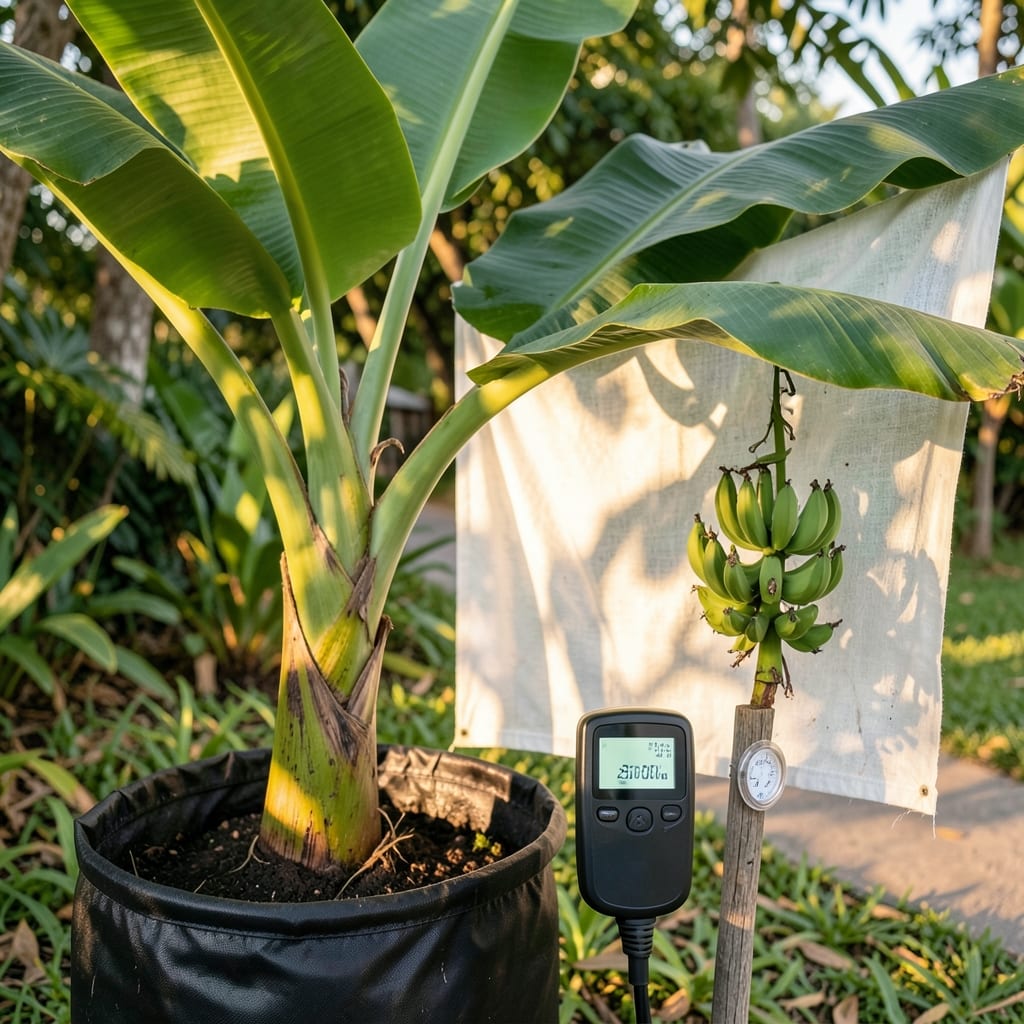
The light needs of a banana plant 🍌 are the secret weapon between a thriving tropical giant and a struggling houseplant—yet most gardeners get this wrong. Too little sun, and your plant stays stunted; too much, and those broad leaves crisp up like toast. But here’s the twist: your banana plant’s light requirements change as it grows, from leafy baby to fruiting star.
If you’re growing in USDA Zone 6a, you’ll need to work with your climate—balancing 6+ hours of direct sunlight while protecting delicate foliage from scorching midday rays. The good news? Banana plants are adaptable, whether you’re nurturing one in a sunny backyard or coaxing growth near a south-facing window. I’ll show you exactly how to read your plant’s light signals (yes, those leaf colors tell a story) and adjust care for peak performance.
Let’s cut through the guesswork. You’ll discover the ideal light balance for each growth stage, plus smart fixes for common mistakes like yellowing leaves or crispy edges. Whether you’re a container gardener or dreaming of a backyard banana grove, these insights will help you grow fruit that’s plump, sweet, and ready to harvest year-round.
Ready to give your banana plant the perfect light prescription? The key is in the details—and I’ve got the step-by-step guide to keep your tropical beauty happy, healthy, and productive.

Banana plant light requirements: the ideal sunlight balance for growth and fruit
Banana plants thrive in bright, direct sunlight—they’re tropical powerhouses that need at least 6 hours of full sun daily to produce those iconic, fruit-laden stalks. Without enough light, their growth slows dramatically, and you’ll miss out on the sweet payoff. But here’s the catch: too much scorching afternoon sun can also damage their delicate leaves, especially in hot climates.
Think of sunlight as the fuel for banana plant growth. During their vegetative stage (when they’re growing leaves and stems), they crave plenty of light to build strong pseudostems. Once they flower and fruit, consistent sunlight ensures heavier, sweeter bananas instead of small, underdeveloped ones. The key is finding that sweet spot between enough light for growth and protection from heat stress.
Your banana plant’s light needs change with the seasons. In spring and summer, they’ll bask in full sun from morning until early afternoon. But in winter or high-heat zones, afternoon shade can prevent leaf burn. Pay attention to how your plant reacts—its leaves will tell you everything.
| Growth Stage | Sunlight Needs | Signs of Over/Under-Exposure |
|---|---|---|
| Vegetative (Leaf Growth) | 6–8 hours full sun | Too little: Pale, thin leaves; slow growth. Too much: Yellow/brown leaf tips. |
| Flowering/Fruiting | 6+ hours full sun | Too little: Small, seedy fruit. Too much: Scorched leaves; fruit drops. |
| Mature (Year-Round) | Morning sun + afternoon shade | Too little: Stunted growth. Too much: Leaf burn; reduced fruiting. |
If you’re growing bananas in a hot, arid climate, like the southwestern U.S., they’ll appreciate some afternoon shade to prevent heat stress. In cooler regions (like USDA Zone 8 and below), they’ll soak up full sun all day. The trick is observing your plant’s leaf color and texture—healthy leaves should be deep green and slightly waxy, never crispy or yellowing.
For container-grown banana plants, place them in the sunniest spot possible, like a south-facing patio or balcony. If your space is limited, rotate the pot every few weeks so all sides get even light exposure. Uneven sunlight leads to lopsided growth, where one side stretches toward the light while the other stays weak and leggy.
In shaded yards or indoor settings, banana plants will survive but won’t fruit well. If you notice stretched, pale leaves, it’s a cry for more light. Supplement with a grow light (like a full-spectrum LED) for 12–14 hours daily. Place the light 12–18 inches above the plant and adjust as it grows to avoid burning the leaves.
One common myth is that banana plants need constant, intense sunlight—but in reality, they prefer bright, indirect light in the afternoon during peak summer months. If your plant’s leaves start curling or developing brown patches, it’s overheating. Move it to a spot with dappled shade for a few hours until it recovers.
Pro tip: Use a light meter or smartphone app to check sunlight levels if you’re unsure. Aim for 10,000–15,000 lux during peak hours. If your space only gets 5,000 lux or less, your banana plant will struggle to thrive—consider growing dwarf varieties like ‘Dwarf Cavendish’ instead, which tolerate lower light better.
Remember, banana plants are not true trees—they’re giant herbaceous plants with delicate systems. Give them the right light, and they’ll reward you with lush foliage and bountiful fruit. Start with full sun, adjust as needed, and always watch for those telltale leaf signals. Your bananas will thank you!
How to adjust light for indoor vs. outdoor banana plants
Banana plants thrive outdoors in full sun, but if you’re growing them indoors, you’ll need to mimic tropical sunlight with creative solutions. In containers, they’re more flexible, but even then, light is non-negotiable—without it, your plant will stretch awkwardly toward any available glow, a condition called etiolation. Let’s break down how to optimize light for both settings.
Outdoor banana plants in USDA Zones 10-12 bask in 6+ hours of direct sun daily, but in cooler zones (like 6a-9b), they’ll need afternoon shade to prevent leaf scorch. If your yard is shady, grow them in large containers and move them to sunnier spots as the seasons shift. For indoor growers, a south-facing window is ideal, but most homes won’t provide enough light—so supplemental grow lights become essential.
🔹 Visual Element: Callout-Warning 🔹
Indoor banana plants won’t flower or fruit without 12+ hours of light daily. Without supplemental grow lights (LED or fluorescent), your plant will stay in a vegetative state forever.
For outdoor banana plants, start by planting them in the sunniest spot you have—even if it’s only 4-6 hours of morning sun. If your climate is hot and dry (like Arizona or Southern California), provide afternoon shade with a lightweight shade cloth (30-50% coverage) to protect leaves from sunburn. In cooler climates (like Zone 7-9), they can handle full sun all day without extra protection.
Indoors, grow lights are a game-changer. A full-spectrum LED grow light (like those from GE or Mars Hydro) should hang 12-18 inches above the plant’s leaves for 12-14 hours daily. Place it on a timer to simulate natural daylight cycles. If you’re using a fluorescent bulb, opt for a cool-white or full-spectrum CFL and keep it closer (6-12 inches) since they’re less powerful.
Pro tip: Rotate your indoor banana plant every 2-3 days so all sides get even light. This prevents lopsided growth and ensures the pseudostem grows straight. Outdoors, mulch heavily around the base to retain moisture and cool the roots—especially important if your plant is getting intense afternoon sun. Use straw or wood chips for the best results.
If you’re in a high-rise apartment with no balcony, consider a sunroom or greenhouse—even a small, well-lit conservatory can work if you supplement with grow lights during winter’s shorter days. Just remember: banana plants are tropical divas—they’ll tell you when they’re unhappy with yellowing leaves, crispy edges, or slow growth. Listen closely, and adjust their light accordingly!