
Plants
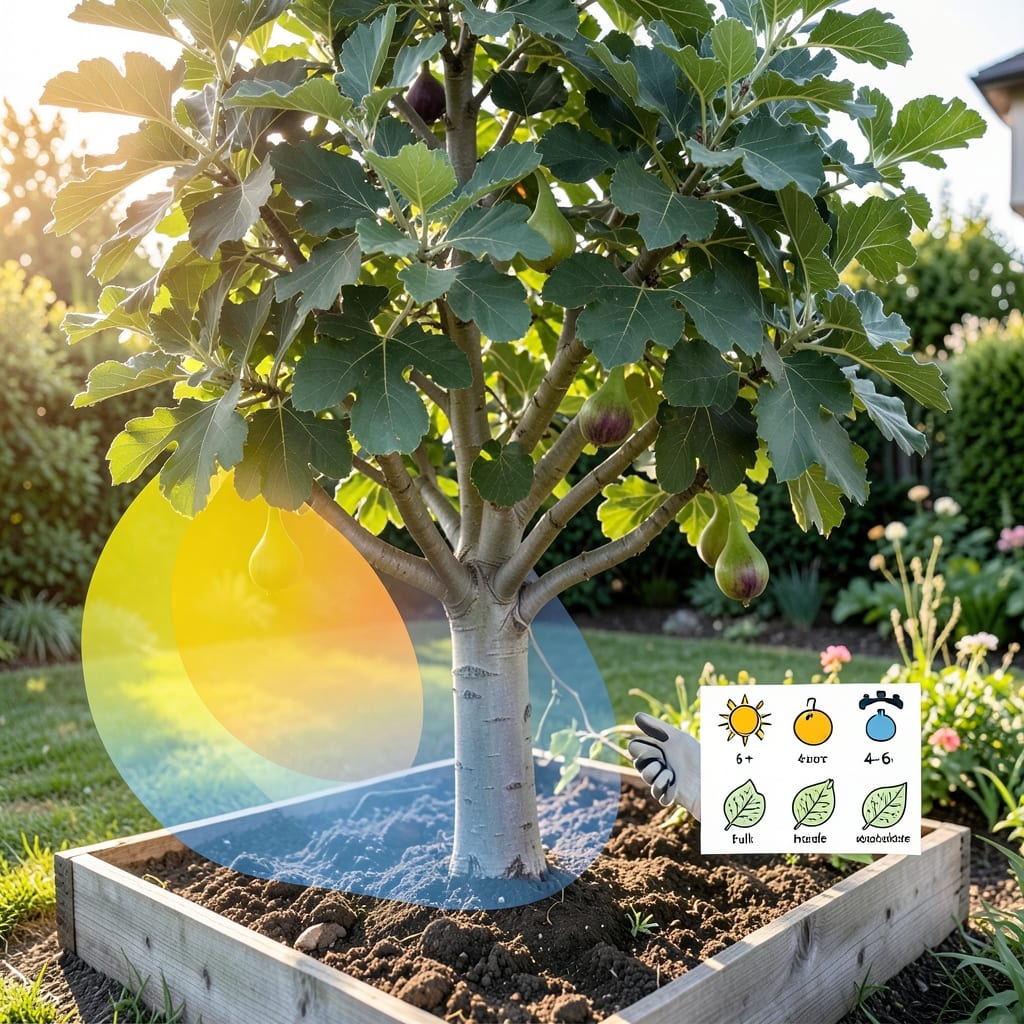
Fig plants 🍈 might seem low-maintenance, but getting their light needs right is the single most important factor for healthy growth and sweet fruit. Too little sunlight, and you’ll end up with leggy stems and tiny figs—if any at all. Too much, and you risk sunburned leaves that turn crispy at the edges.
Most gardeners assume all fig varieties thrive in the same conditions, but the truth is far more nuanced. Some types—like the hardy Chicago Hardy—can handle partial shade, while others, such as Brown Turkey, demand full sun exposure for peak performance. Even a small miscalculation in light can mean the difference between a bountiful harvest and a struggling plant.
Whether you’re growing your fig outdoors in USDA Zone 6 or nurturing a potted plant indoors, understanding how to adjust light at different stages of growth is key. We’ll break down exactly how much sunlight your fig needs, how to spot signs of over- or under-exposure, and even the best artificial lighting solutions for indoor setups.
Ready to stop guessing and start growing? Let’s dive into the sunlight secrets that’ll transform your fig plant from struggling to thriving.

Fig plant sunlight requirements by variety: full sun vs partial shade needs
Fig plants are sun worshippers, but not all varieties bask in the same intensity. The Brown Turkey fig, for example, demands full sun exposure (6-8+ hours daily) to produce sweet, plump fruit, while the Chicago Hardy can tolerate partial shade (4-6 hours of sun) due to its cold-hardy nature. Even within the same variety, container-grown figs need more direct sunlight than those planted in the ground because pots overheat faster and dry out quicker.
Climate zones also play a role. In hot, dry regions (USDA Zones 8-11), figs appreciate afternoon shade to prevent leaf scorch, while in cooler zones (6-7), they thrive with unfiltered morning sun. The key is balancing intensity and duration—figs hate sudden shifts, so gradual acclimation is a must when moving plants between shaded and sunny spots.
Here’s how to match your fig variety to its ideal light conditions:
Container-grown figs need more frequent light adjustments than in-ground plants. Pots heat up quickly, so rotate them every 2-3 days to ensure even sunlight exposure. If your patio gets only morning sun, place the pot where it catches at least 6 hours of direct light—even if it means moving it closer to a south-facing wall during peak hours.
For indoor figs, a south-facing window is ideal, but most homes don’t get enough natural light. Supplement with a grow light 6-12 inches above the plant for 12-14 hours daily. Avoid placing figs near drafty windows or air vents, as cold air weakens their ability to process sunlight efficiently.
Pro tip: Use a light meter app to track your fig’s daily sunlight. Aim for 5,000-10,000 lux during active growth (spring-fall). If readings drop below 3,000 lux, it’s time to supplement with artificial light or relocate your plant to a sunnier spot.
Mature fig trees in the ground can handle filtered sunlight through sheer curtains of leaves, but young plants and those in containers need unobstructed sun. Prune nearby trees or shrubs to avoid shading your fig, especially during fruiting season when energy demands spike.
Remember: Figs are photoperiod-sensitive, meaning their fruiting cycle triggers based on daylight length. In short-day varieties (like Celeste), reduce light to 10-12 hours in late summer to encourage fruit set. Long-day varieties (like Brown Turkey) need consistent 14+ hours of light to thrive.
How to adjust light for fig plants at different growth stages
Fig plants don’t have the same light needs forever—they evolve as they grow. A young seedling thrives in bright, indirect light, while a mature tree demands full sun exposure to produce fruit. Understanding these shifts is critical, especially if you’re growing figs in containers or indoors where light control is easier.
For seedlings and young plants, aim for 4-6 hours of morning sun and protect them from harsh afternoon rays. Too much direct sunlight at this stage can scorch tender leaves. As your fig enters its vegetative growth phase (spring to early summer), gradually increase exposure to 6-8 hours of full sun to encourage strong stem development.
During the fruiting stage (summer to early fall), figs need uninterrupted sunlight—at least 8 hours daily—to set and ripen fruit. Without enough light, you’ll see fewer figs, and the ones that form may be small or misshapen. This is when outdoor growers in cooler climates might need to move potted figs to sunnier spots or even bring them indoors temporarily for a light boost.
🌱 Pro Tip: If your fig is in a container, rotate it every few weeks. This ensures even light exposure and prevents the plant from leaning toward the sun, which can weaken its structure over time.
⚠️ Watch for These Light-Related Red Flags
- Yellowing leaves: Sign of too much direct sun (sunburn) or insufficient light (nutrient deficiency). Check leaf placement—if new growth is pale, it’s underlit.
- Leaf drop: Sudden shifts in light (e.g., moving from indoors to outdoors) can shock figs. Acclimate gradually over 7-10 days.
- Crispy leaf edges: Classic sun scorch. Provide afternoon shade with a sheer curtain or move the plant to a spot with filtered light.
In USDA Zone 6, where winters are harsh, figs enter dormancy in fall. During this time, reduce light exposure isn’t necessary—figs handle lower light better when dormant. However, if you’re growing indoors year-round, keep them in the brightest spot you have, even if it’s just a south-facing window with supplemental grow lights.
For overwintering figs indoors, aim for 4-6 hours of indirect light daily to maintain health. Without this, leaves may yellow or drop, and the plant may struggle to rebound in spring. A simple LED grow light on a timer can make all the difference during short winter days.
💡 Key Takeaway: Adjust light like you’re adjusting a recipe—too little or too much at the wrong stage ruins the outcome. Start with gentle exposure, ramp up as the plant matures, and always monitor for stress signals. With the right light strategy, your fig will reward you with juicy, sweet fruit year after year.