
Plants
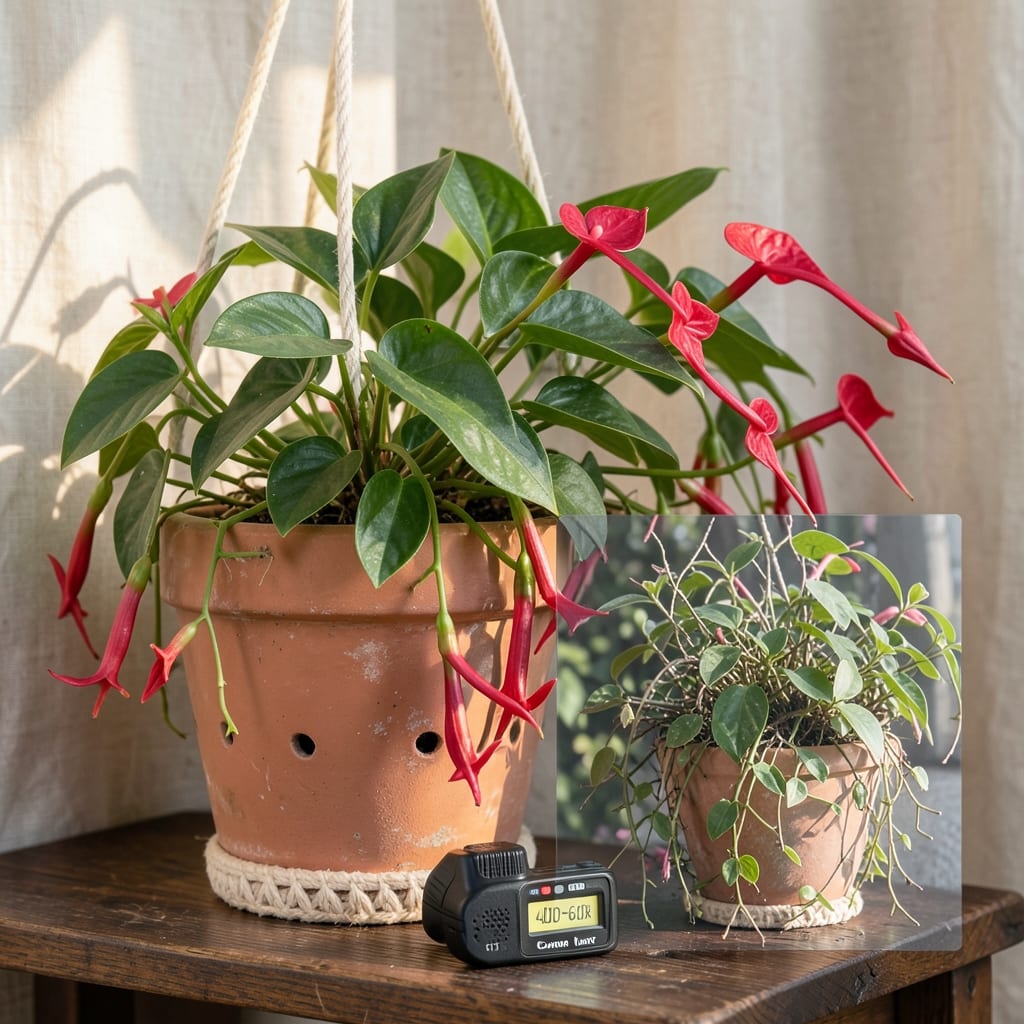
If you’re wondering how much light does a goldfish plant need, the answer is key to keeping it thriving—droopy leaves or crispy edges often point to light issues. This stunning trailing beauty thrives in bright, indirect light, but too much sun or too little can turn it into a struggling houseguest.
Most gardeners assume more light is always better, but for your Goldfish Plant, 6-8 hours of filtered sunlight is the sweet spot. Direct afternoon rays can scorch those delicate leaves, while dim corners make them stretch awkwardly toward any light source.
I’ve seen firsthand how the right light transforms this plant from a struggling survivor to a lush, cascading showstopper. The key isn’t just hours—it’s quality. Let me show you exactly where to place yours for that perfect balance.
Whether you’re dealing with a south-facing window or a shady corner, we’ll cover how to give your Goldfish Plant the ideal conditions—without turning your space into a greenhouse. Ready to bring back its vibrant glow?

Ideal light requirements for goldfish plant growth (hours & intensity breakdown)
The Goldfish Plant (Columnea) thrives on bright indirect light, but understanding the exact balance is crucial. Too little causes leggy growth, while too much leads to leaf scorch. Aim for 6-8 hours daily, with morning sun being the gentlest option. This tropical beauty mimics its natural understory habitat, so harsh afternoon rays are its enemy.
Think of it like a sunbathing session—short bursts of morning light followed by filtered shade. A north-facing window provides consistent indirect light, while east-facing windows offer morning sun without the intensity. South-facing windows require sheer curtains to diffuse the harsh afternoon glare.
Seasonal adjustments are key. During winter months, when natural light dims, supplement with grow lights for 4-6 hours daily. In summer, move your plant slightly away from windows to prevent overheating. The goal is to maintain that 60% light intensity—think of it as a sunny patio with dappled shade.
Here’s how to visualize the perfect setup for your Goldfish Plant’s light needs:
Notice how direct afternoon sun is a hard no—this is where most Goldfish Plants suffer from leaf burn. The plant’s natural habitat under forest canopies teaches us that filtered light is the gold standard. Even in summer, when sunlight is strongest, keep your plant 3 feet from windows to avoid heat stress.
For indoor growers, a south-facing window can work if you use a light sheer curtain to scatter the rays. I’ve seen dramatic improvements when moving plants from harsh direct light to a rotating schedule—just a quarter-turn every week keeps growth even and prevents lopsided development.
If you’re in a low-light apartment, don’t despair. A 12-inch LED grow light on a timer for 12 hours daily can replicate ideal conditions. Place it 12-18 inches above the plant and adjust height as it grows. The key is consistency—Goldfish Plants are forgiving but need reliable light to maintain their vibrant foliage.
Pro tip: Watch your plant’s growth pattern. If it’s stretching toward light (etiolation), it’s begging for more brightness. If leaves turn yellow with brown edges, it’s getting too much sun. These visual cues are your light quality barometer—trust them over guesswork.
Remember, the Goldfish Plant’s trailing habit is its signature charm. When happy, it cascades like a living waterfall. But without the right light, it becomes a sad, leggy shadow of its potential. The effort to get the light balance right is worth it for that lush, trailing beauty you’ve been dreaming of.
Signs your goldfish plant has too much or too little light (with fixes)
Your Goldfish Plant’s leaves tell a story—yellowing or browning edges scream for help. Too much light causes leaf burn, while too little triggers leggy growth and pale foliage. These visual cues are your plant’s way of saying, “Fix this now!” Let’s decode the symptoms and get your plant back on track.
First, check the leaf color. If leaves turn bright yellow with crispy brown edges, it’s a clear sign of sunburn. This usually happens when your plant gets direct afternoon sun—the harshest part of the day. Move it to a shadier spot immediately and trim the damaged leaves to encourage new growth. Think of it like sun protection for your plant’s delicate skin.
On the flip side, if your Goldfish Plant’s leaves are small and pale with long stems stretching upward, it’s begging for more light. This etiolation happens when the plant reaches for any available light source, often seen in north-facing rooms or under dim artificial lighting. The solution? Rotate the pot quarter-turn weekly to ensure even growth, then supplement with a grow light if natural light is insufficient.
Here’s a quick guide to diagnosing and fixing light issues:
🌱 Too Much Light
- Brown, crispy leaf edges
- Bleached or white patches
- Leaves curling downward
- Move to indirect light
- Use sheer curtains
- Prune damaged leaves
🌿 Too Little Light
- Long, leggy stems
- Small, pale leaves
- Stems stretching upward
- Move to brighter spot
- Add grow light (12-14 inches away)
- Rotate plant weekly
Another red flag is leaf drop. If your Goldfish Plant starts shedding leaves suddenly, it’s often a stress response to sudden light changes or temperature fluctuations. For example, moving it from a sunny windowsill to a dark corner overnight can shock the plant. To prevent this, acclimate gradually—move it to its new spot for 1-2 hours daily before making the full transition.
For indoor growers, pay attention to the window direction. A south-facing window can be too intense, while a west-facing one might offer too much afternoon sun. The best bet? An east-facing window gives gentle morning light without the harsh afternoon glare. If you don’t have an ideal window, a south-facing spot with a sheer curtain works wonders.
Pro tip: Humidity matters. Goldfish Plants love 60-70% humidity, and low humidity can make light stress worse. If your home is dry, place a pebble tray with water near the plant or use a humidifier to keep the air moist. This extra care can make a world of difference in recovery.
Remember, your Goldfish Plant is resilient—it’s just communicating what it needs. By watching for these signs and adjusting its environment, you’ll see it bounce back with vibrant, healthy foliage in no time. The key is observation and quick action—don’t let those little clues go unnoticed!