
Light Requirements
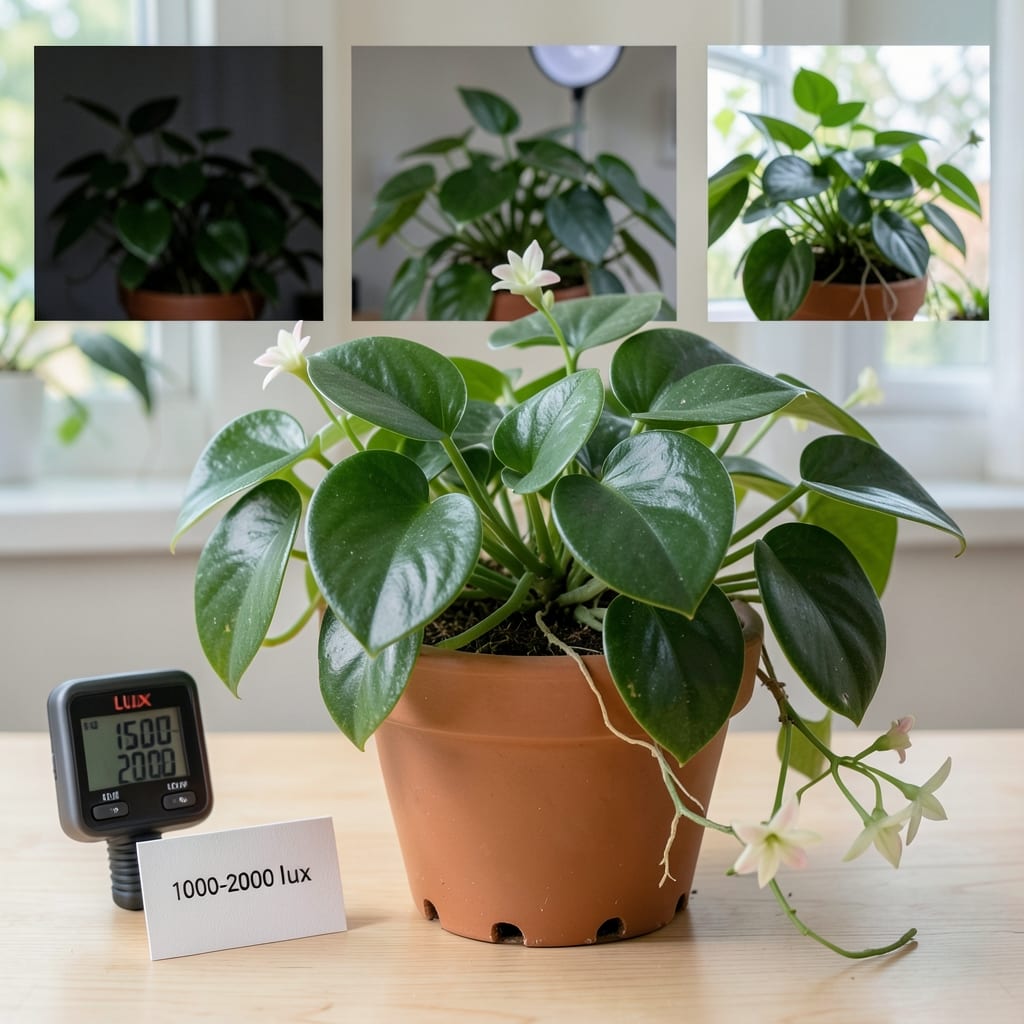
If you’re wondering how much light does a Hoya plant need, the answer might be simpler than you think—light exposure is the key to its happiness. Too little, and it stretches out like a sleepy cat; too much, and those gorgeous leaves turn crispy. Finding the sweet spot between bright indirect sunlight and harsh rays is what separates a healthy Hoya from a sad one.
I’ve watched my own Hoya transform from a leggy, sad vine to a lush, vibrant plant just by adjusting its light source. The secret isn’t complicated—it’s about understanding where your plant should live, whether that’s basking near an east-facing window or thriving under filtered afternoon light. Let’s break down exactly how much light your Hoya craves and how to give it the perfect growing conditions.
You might be surprised to learn that most Hoyas don’t need direct sun to flourish—in fact, too much of it can scorch those delicate leaves. Instead, we’re talking about that golden balance where your plant gets enough brightness to fuel growth without risking sunburn. I’ll show you how to spot the signs of light stress and where to place your Hoya for peak performance, whether you’re working with natural windows or artificial grow lights.
From the subtle differences between Hoya varieties to the best window spots in your home, this guide covers everything you need to know. By the end, you’ll have a thriving Hoya 🌿 that’s the envy of every plant lover—and no more guessing games about whether your green friend is getting just the right amount of light.
 Best Window Placement
Ideal light requirements for Hoya plants: bright indirect sunlight explained
Hoya plants thrive in bright indirect sunlight, making them perfect for homes with east-facing windows or filtered light conditions. Unlike sun-loving succulents, Hoyas hate harsh afternoon sun, which can scorch their delicate leaves. Think of it like giving your plant a gentle sunbath—enough to fuel growth but not enough to cause a sunburn.
The ideal light intensity for Hoyas falls between 4,000 to 10,000 lux, which is roughly the light you’d find under a sheer curtain or on a brightly lit bookshelf. If you’re unsure about your space, test it by holding your hand near the plant—if you can comfortably read a book without straining, the light is likely just right.
Most Hoyas tolerate 2-4 hours of morning sun, especially varieties like Hoya carnosa or Hoya obovata, which are slightly hardier. However, avoid placing them near south- or west-facing windows during peak sunlight hours (11 AM–3 PM), as the intense UV rays can cause leaf bleaching or crispy edges.
For indoor gardeners, a north-facing window might seem ideal, but these spots often lack sufficient light. Instead, opt for a rotating schedule—move your Hoya closer to the window in winter when daylight is weaker, then back a few feet in summer when the sun is stronger.
Outdoor Hoyas do well in partial shade, such as under a dappled tree canopy or on a covered patio. In warmer climates (USDA Zones 9–11), they can handle brief periods of direct sun if acclimated slowly, but always provide afternoon shade to prevent stress.
| Light Type | Intensity (Lux) | Best For | Hoya Response |
|---|---|---|---|
| Low Light | <500 lux | North-facing windows, deep shade | Leggy growth, pale leaves |
| Medium Light | 500–4,000 lux | East/west windows, filtered sun | Healthy growth, compact leaves |
| Bright Indirect | 4,000–10,000 lux | Sheer curtains, dappled shade | Optimal: thick leaves, flowers |
| Direct Sun | >10,000 lux | South/west windows, no shade | Burnt edges, wilting |
If you’re growing Hoya varieties with variegated leaves (like Hoya linearis), they need even more light to maintain their striking patterns. These plants often require 10,000–15,000 lux and may benefit from supplemental grow lights during winter months when natural light dims.
For outdoor Hoyas, monitor their exposure closely. A simple trick is to place a white sheet over the plant for 30 minutes in the afternoon—if the leaves look stressed or yellow, move it to a shadier spot immediately. Hoyas are forgiving but slow to recover from light damage.
Pro tip: Rotate your Hoya every 2–4 weeks to ensure even growth. Plants naturally lean toward light sources, so a slow rotation keeps them symmetrical and bushy. This is especially important for trailing varieties like Hoya australis, which can become lopsided without care.
Remember, light needs vary by season. In winter, Hoyas may need closer proximity to a window, while in summer, they might thrive further back to avoid overheating. Pay attention to their leaves’ color and texture—these are your best indicators of whether they’re getting the perfect balance of light.
Signs your Hoya isn’t getting enough (or too much) light
Your Hoya’s leaves tell a story—yellowing or pale green foliage is a classic sign of insufficient light. When a Hoya stretches its stems toward the light source, it’s called etiolation, and it’s a red flag. These long, leggy growth patterns mean your plant is desperate for more brightness. Check your east-facing window first—if it’s dimmer than you thought, your Hoya is silently begging for a better spot.
On the flip side, crispy brown edges or bleached patches on leaves scream too much direct sunlight. This often happens when Hoyas sit near south- or west-facing windows without protection. Even Hoya carnosa, one of the hardier varieties, can’t handle unfiltered afternoon sun for long. If you notice leaf burn, move your plant 2–3 feet away from the window immediately.
Too Little Light: Stretched stems, small leaves, pale color
Too Much Light: Brown edges, crispy texture, leaf drop
Perfect Light: Thick, glossy leaves, compact growth
Action: Adjust placement or use sheer curtains to diffuse harsh rays.
Another giveaway? No new growth or dropping leaves. Hoyas are slow growers, but if they’re not producing even a single new leaf after 3–4 months, light (or lack of it) is usually the culprit. Variegated Hoyas, like Hoya obovata ‘Variegata’, are especially sensitive—their white or cream patterns need bright indirect light to stay vibrant. If those variegations fade to solid green, it’s a clear sign they’re starving for light.
For outdoor Hoyas, watch for wilting during hot afternoons. Even shade-loving varieties can’t handle midday heat without protection. A quick test: Place your hand near the plant’s leaves at noon. If it feels too hot to touch for more than 5 seconds, your Hoya needs more shade. Use a lightweight shade cloth (30–50% block) if you can’t move it.
Don’t ignore root issues either. Overwatered Hoyas in low light often develop mushy roots or fungus gnats, while those in too much light may have shriveled roots from stress. Gently check the roots during repotting—healthy ones should be firm and white, not slimy or black. If you spot problems, adjust light first, then watering habits.
Here’s my pro tip: Keep a light journal for 2 weeks. Note where your Hoya sits, how the leaves look daily, and any changes in growth. You’ll spot patterns fast—like how a west-facing window might work in spring but fry leaves in summer. Hoyas are forgiving but slow to recover, so act at the first sign of stress.