
Light Requirements
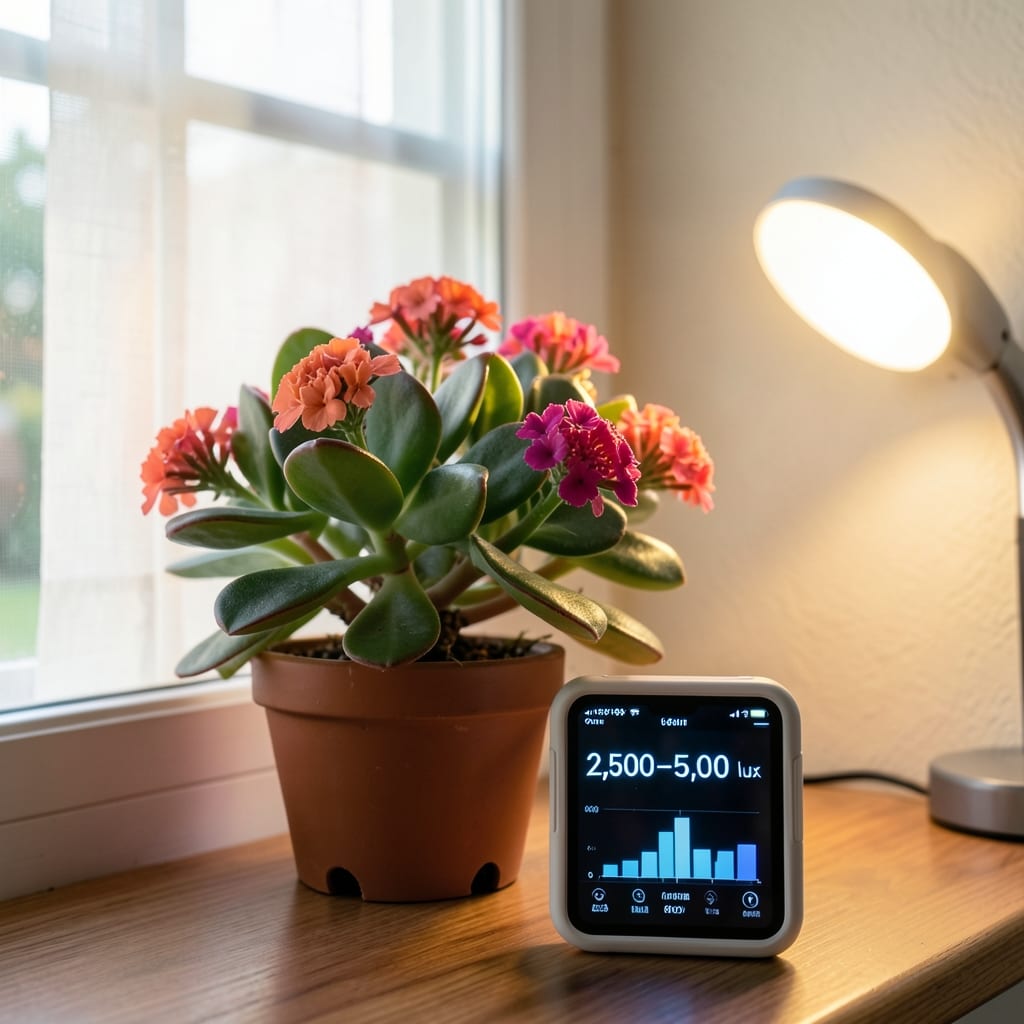
If your Kalanchoe 🌸 is looking sad—droopy leaves or sparse blooms—it might be screaming for how much light does this plant need? Too little, and it stretches out like a sleepy cat; too much, and those pretty leaves crisp up faster than toast in a toaster. The magic lies in finding that sweet spot between bright indirect sunlight and harsh rays, and I’ve got the insider tips to help you nail it.
You don’t need a sunroom or a greenhouse to keep your Kalanchoe thriving. Even in Zone 6, where spring planting kicks off in March, this plant is surprisingly adaptable. Whether you’re dealing with a cozy indoor windowsill or an outdoor spot, understanding its light needs is the key to vibrant blooms and lush foliage that’ll make your neighbors jealous.
Let’s cut through the guesswork. I’ll show you how to spot signs of light trouble—like those telltale brown patches or leggy stems—and how to adjust your setup for maximum happiness. From east-facing windows to grow lights for winter, you’ll learn exactly what your Kalanchoe craves to stay perky and full of life.
Ready to turn your struggling succulent into a showstopper? Stick around—I’ll walk you through every trick, from seasonal tweaks to quick fixes for over- or under-lit spots. Your Kalanchoe 🌸 deserves better light, and you’re about to give it just that.


Ideal light requirements for Kalanchoe plants: bright indirect sunlight explained
Kalanchoe plants thrive under bright indirect sunlight, making them perfect for indoor gardeners with limited direct sun exposure. These succulent-like plants need 4 to 6 hours of filtered light daily to maintain their vibrant blooms and compact growth. Too little light causes stretching and pale leaves, while too much direct sun can lead to leaf scorch and crispy edges.
Think of east or west-facing windows as ideal spots for your Kalanchoe. These locations provide gentle morning or afternoon sun without the harsh midday rays that can damage delicate foliage. If you notice your plant leaning toward the light, it’s a clear sign it needs to be rotated quarter-turns every few days for even growth.
During summer months, when sunlight is most intense, move your Kalanchoe 2-3 feet away from south-facing windows to prevent overheating. In winter, when natural light is scarce, supplement with a grow light for 6-8 hours daily to maintain its health and encourage blooming.
Kalanchoes are surprisingly adaptable—they can tolerate lower light conditions but will bloom less prolifically. If your plant is in a north-facing window, expect slower growth and fewer flowers, but it won’t die. The key is finding that sweet spot of bright indirect light where your Kalanchoe stays happy year-round.
| Light Condition | Daily Exposure | Best For | Plant Response |
|---|---|---|---|
| Bright Indirect | 4-6 hours | East/West windows | Optimal blooms, compact growth |
| Partial Sun | 2-4 hours | North windows, filtered light | Slower growth, fewer flowers |
| Direct Sun | >6 hours | South windows, summer | Leaf scorch, crispy edges |
| Low Light | <2 hours | Dim corners, offices | Leggy stems, pale leaves |
Seasonal changes require small adjustments to keep your Kalanchoe thriving. In spring and fall, when sunlight is moderate, your plant can handle up to 4 hours of direct morning sun without risk. However, during peak summer, even brief periods of intense afternoon sun can cause damage, so always provide afternoon shade if outdoors.
For outdoor cultivation, place your Kalanchoe in a spot that receives morning sun and afternoon shade. A partially shaded patio or balcony with dappled sunlight mimics its natural habitat in arid regions. If you’re growing Kalanchoe in a container garden, ensure the pot has drainage holes to prevent root rot from excess moisture.
One common mistake is assuming all succulents need full sun. While Kalanchoes are drought-tolerant, they’re not true succulents and prefer gentler light conditions. If you notice your plant’s leaves turning red or purple, it’s often a sign of too much direct sun—move it to a shadier spot immediately.
Pro tip: Use a sheer curtain to diffuse harsh sunlight if your only window faces south. This simple trick can make a world of difference in preventing sunburn on delicate leaves. With the right light balance, your Kalanchoe will reward you with long-lasting blooms for months!
Remember, every Kalanchoe is unique—observe your plant’s response to light and adjust accordingly. If the leaves start stretching toward the light, it’s time to move it closer. If they develop brown spots, provide more shade. Finding that perfect balance is the key to a healthy, blooming Kalanchoe year-round.
🌸
Ideal light requirements for Kalanchoe plants: bright indirect sunlight explained
Kalanchoe plants thrive in bright indirect sunlight, making them perfect for indoor gardeners with limited direct sun exposure. These succulents naturally grow under the dappled shade of trees in their native habitats, so recreating that environment is key to keeping them healthy and blooming.
For optimal growth, aim for 4-6 hours of indirect sunlight daily. This means placing your Kalanchoe near an east or west-facing window where morning or late afternoon sun gently filters through. Avoid harsh midday sun, especially in summer, which can scorch delicate leaves and flowers.
Kalanchoe Light Requirements Summary
| Condition | Specification |
|---|---|
| Light Type | Bright Indirect |
| Daily Hours | 4-6 hours |
| Best Windows | East/West-Facing |
| Distance from Window | 2-3 feet |
| Seasonal Adjustment | Reduce in summer |
In summer months, when sunlight is most intense, move your Kalanchoe slightly away from the window or use a sheer curtain to diffuse the light. This prevents leaf burn while still providing enough brightness for photosynthesis. During winter, when natural light is scarce, supplement with a grow light for 6-8 hours daily to maintain energy levels.
If you notice your Kalanchoe stretching toward the light, it’s a clear sign it needs more brightness. This etiolation occurs when plants search for light, leading to weak stems and sparse blooms. Rotate your plant every few weeks to ensure even growth and prevent lopsided development.
For outdoor cultivation in USDA Zone 6 or warmer, place your Kalanchoe in a spot with morning sun and afternoon shade. A partially shaded patio or balcony with filtered light works beautifully. Just be sure to acclimate it gradually to outdoor conditions to avoid shock.
Remember, consistency is key—Kalanchoes prefer stable lighting conditions. Sudden changes in light exposure can stress the plant, causing buds to drop or leaves to yellow. Monitor your plant’s response and adjust its position as needed to maintain that perfect balance of brightness without harshness.