
Light Requirements
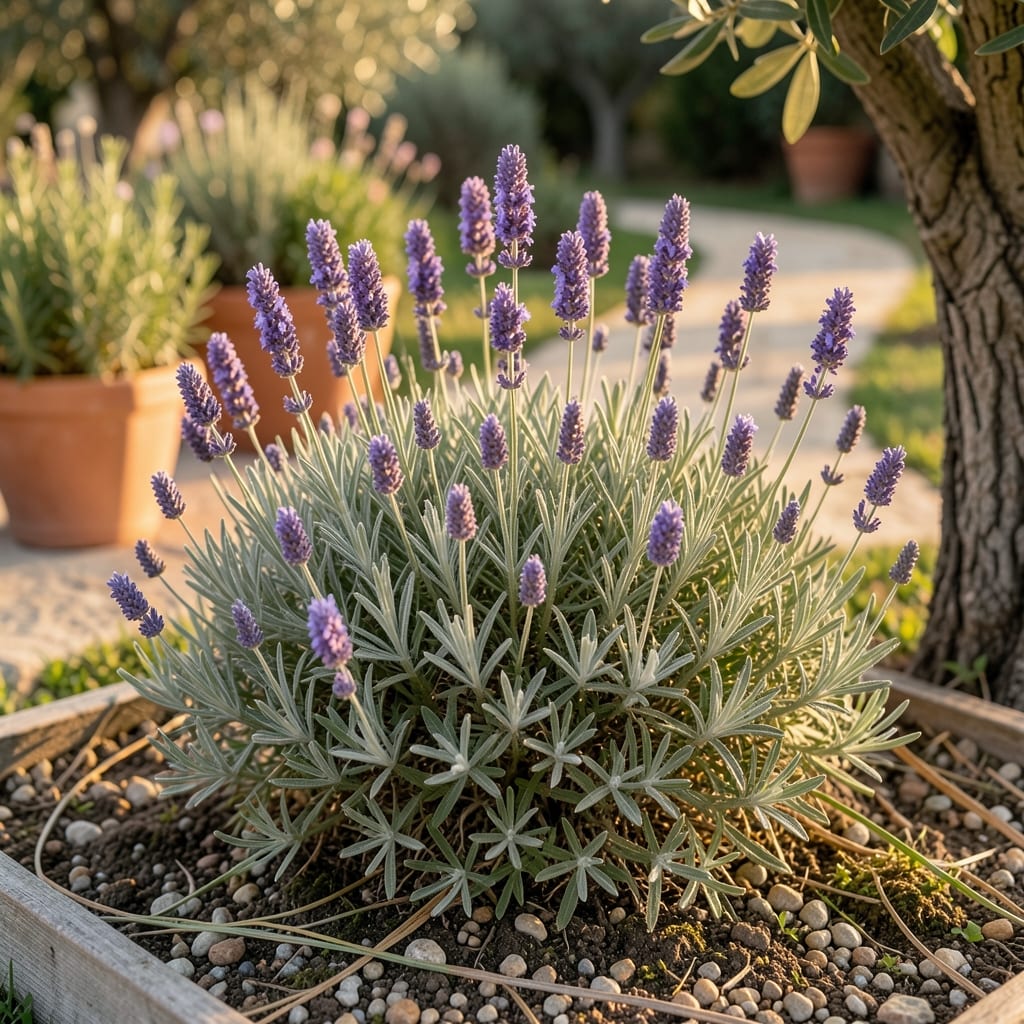
If you've ever watched your lavender plant struggle with weak stems or sparse blooms, you're probably asking yourself: how much light does a lavender plant need to truly thrive?
Lavender, with its delicate purple blooms and soothing fragrance, is a sun-worshipper at heart. Without the right amount of light, it can become leggy, pale, or even stop flowering altogether. But here's the catch: too much harsh sun can scorch its leaves, leaving you stuck between a rock and a hard place.
In this guide, I'll break down exactly how many sunlight hours lavender craves—whether you're growing it in your garden or a sunny windowsill. You'll discover the ideal balance for full sun exposure, seasonal adjustments, and how to spot when your plant is getting just right (or not enough).
Ready to give your lavender the perfect light conditions for vibrant blooms and healthy growth? Let's dive in and solve this once and for all.

Ideal sunlight requirements for healthy lavender growth
Lavender thrives under full sun, but not all varieties demand the same intensity. English lavender and French lavender need 6-8 hours of direct sunlight daily, while Spanish lavender tolerates slightly less, around 5-6 hours. Without enough light, your lavender will stretch toward the sun, producing weak stems and few blooms—a condition called etiolation.
The key to success is morning sunlight paired with afternoon shade in extremely hot climates. For example, in USDA Zone 9, lavender planted in afternoon shade prevents leaf scorch while still receiving 5-6 hours of morning sun. Always prioritize bright, direct light over partial shade, which often leads to leggy growth.
🌱 Lavender Sunlight Summary
| Variety | Daily Sunlight | Signs of Deficiency | Signs of Over-Exposure |
|---|---|---|---|
| English Lavender | 6-8 hours | Leggy stems, sparse blooms | Brown leaf tips |
| French Lavender | 6-8 hours | Pale foliage, weak growth | Wilting in peak sun |
| Spanish Lavender | 5-6 hours | Slow growth, few flowers | Yellowing leaves |
Seasonal adjustments are crucial. In spring and fall, lavender can handle full sun all day, but during summer, especially in southern climates, provide 2-3 hours of afternoon shade to prevent heat stress. For instance, in Arizona or Texas, lavender planted near a west-facing wall may need afternoon shade to thrive.
If your lavender is in a container, rotate it quarter-turns every 2 weeks to ensure even light exposure. This prevents one side from becoming sunburned while the other stays shady. Containers also dry out faster, so pair proper light with well-draining soil to avoid root rot.
Watch for yellowing leaves or stretched stems, which signal insufficient light. Conversely, brown crispy edges mean too much direct sun. Balancing these cues ensures your lavender stays compact, fragrant, and blooming year after year.
For urban gardeners, south-facing windows or balconies with 6+ hours of sunlight work well. If natural light is limited, supplement with a grow light (12-14 hours/day) to mimic full sun. Just ensure the light stays 6-12 inches above the plant to avoid heat damage.
In cooler climates like Pacific Northwest, lavender can tolerate partial shade in winter, but always return it to full sun by late spring. This seasonal shift prevents etiolation and ensures robust blooms in summer.
Remember, lavender’s fragrance and color depend on sunlight. 6-8 hours of direct sun is non-negotiable for vibrant purple blooms and that signature calming scent. Skip the shade, and you’ll miss out on the full beauty of this drought-resistant superstar.
🌿
How to adjust light conditions for potted vs. garden lavender
Lavender thrives in full sun, but container-grown plants and in-ground varieties have different needs when it comes to light adjustments. If your lavender isn’t getting enough sun, don’t panic—small tweaks can make a big difference. For potted lavender, place containers near south-facing windows or use grow lights for 6-8 hours daily. In gardens, ensure no tall plants or structures block sunlight during peak hours.
Microclimates play a huge role too. Coastal areas with bright but diffused light may need extra protection from afternoon sun, while inland zones can handle intense midday rays. If your lavender starts stretching toward light (a sign of etiolation), it’s time to relocate or supplement with artificial lighting. For containers, rotating pots weekly ensures even growth.
Here’s how to balance light for both potted and garden lavender:
- Flexible placement: Move pots to sunnier spots
- Grow lights: Supplement low-light windows
- Prevents root rot: Containers dry faster
- Dries out faster: Needs frequent watering
- Limited root space: Stunted growth over time
- Wind exposure: Pots can tip in storms
- Natural sunlight: No need for artificial light
- Stable roots: Better long-term growth
- Natural drainage: Less risk of overwatering
- Fixed location: Harder to adjust sunlight
- Shade competition: Nearby plants may block light
- Soil issues: Poor drainage can kill roots
For partial-shade zones, choose dwarf lavender varieties like 'Hidcote' or 'Munstead', which tolerate 4-6 hours of sun. In containers, use reflective surfaces like white walls to maximize light exposure. If your garden has afternoon shade, prioritize morning sun—lavender can handle intense AM rays better than harsh PM heat.
Always monitor your lavender’s leaves: Yellowing means too much shade, while brown crispy edges signal sunburn. Adjust gradually—sudden light changes shock plants. In containers, use light-colored pots to reflect extra heat away from roots during peak summer sun.
With the right light balance, your lavender will reward you with fragrant blooms and lush foliage all season long. Experiment with placement, and don’t forget to rotate containers for even growth! 🌿