
Plants
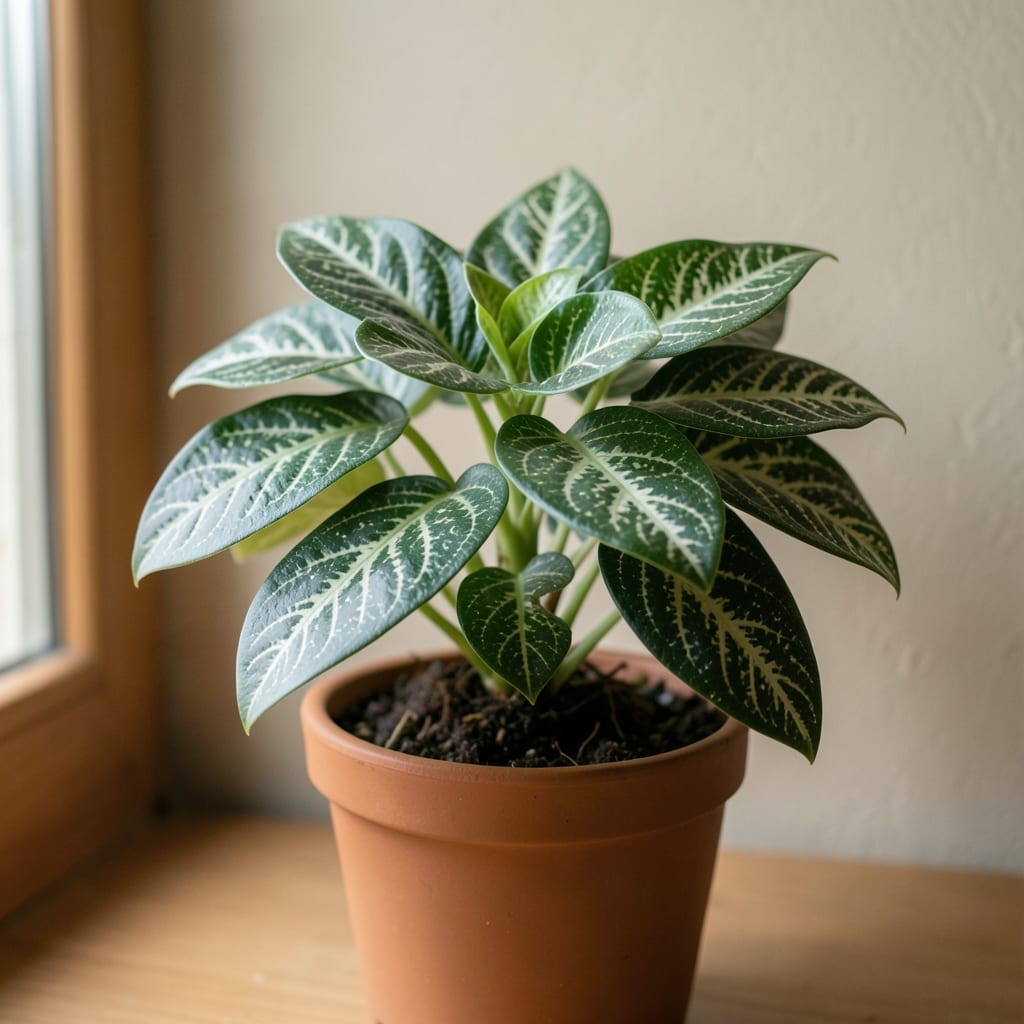
How much light does a nerve plant need to stay vibrant and healthy? If your 🌿 Fittonia is stretching toward the window or losing its stunning vein patterns, you’re probably not hitting the sweet spot—bright indirect light is non-negotiable for these finicky beauties.
Nerve plants thrive in conditions that mimic their natural understory habitat, where dappled sunlight filters through taller plants. Too little light, and they’ll grow leggy and weak; too much, and their delicate leaves will crisp up like overcooked chips. The key is finding that perfect balance where your plant’s colors pop without risking damage.
I’ve helped countless plant parents rescue their sad, sun-starved nerve plants by tweaking their light setup—whether that meant moving them closer to an east-facing window or adding a simple grow light. By the end of this guide, you’ll know exactly where to place your plant for those lush, healthy leaves you’ve been dreaming of.
Ready to transform your nerve plant from struggling survivor to showstopper? Let’s dive into the lighting secrets that’ll have it thriving in no time.


Optimal light requirements for nerve plants: bright indirect sunlight explained
Nerve plants (Fittonia) thrive under bright indirect sunlight, which mimics their natural understory habitat in tropical forests. This delicate balance ensures their stunning veined foliage stays vibrant without risking leaf burn or stunted growth. The key is positioning them where they receive filtered light—never harsh, direct rays that can scorch their tender leaves.
Most nerve plants need 4 to 6 hours of bright indirect light daily, but they’re flexible enough to adapt to medium indirect light if necessary. The trick is observing their leaf color and growth patterns—these are the best indicators of whether they’re getting just the right amount. Let’s break down the ideal conditions to keep your plant lush and healthy.
| Light Condition | Ideal Location | Daily Duration | Signs of Stress | Adjustment Tips |
|---|---|---|---|---|
| Bright indirect light | East or north-facing window 3–5 feet away | 4–6 hours | Slow growth, pale leaves | Rotate plant weekly |
| Medium indirect light | West window or 6+ feet from south window | 3–4 hours | Leggy stems, sparse foliage | Add a sheer curtain |
| Low light | North-facing window or deep shade | 2–3 hours | Stunted growth, dark leaves | Supplement with grow lights |
The east-facing window is often the gold standard for nerve plants because it provides gentle morning sunlight without the intense heat of afternoon rays. If your home lacks natural east-facing light, a north-facing window works well too—just ensure the plant stays 3 to 5 feet away to avoid fading colors. South-facing windows can work, but you’ll need to filter the light with a sheer curtain to prevent leaf burn.
For indoor growers without ideal windows, LED grow lights are a game-changer. Position a full-spectrum bulb 6 to 12 inches above your nerve plant and run it for 12 to 14 hours daily. This mimics natural light cycles and prevents the stretchy, leggy growth that signals light deprivation. Just avoid placing the light too close—nerve plants hate heat, and their leaves will crisp if exposed to warm bulbs.
Seasonal changes can throw off your nerve plant’s light routine. During winter months, when daylight is shorter, supplement with grow lights or move the plant closer to a south-facing window (with a curtain). In summer, when the sun is fiercer, create shade by placing the plant further back in the room or using a light diffuser. Watch for color shifts—deep red or purple veins mean it’s craving more light, while bleached or crispy edges signal too much exposure.
Pro tip: Rotate your nerve plant every 1 to 2 weeks to ensure even growth. Plants naturally lean toward light sources, so a simple quarter-turn keeps them compact and symmetrical. This small habit prevents the lopsided, stretched-out look that ruins their charming compact shape. Pair this with consistent humidity (nerve plants love 50%+ humidity) and well-draining soil, and you’ve got the perfect recipe for a thriving, vibrant nerve plant.
If your nerve plant starts showing signs of light stress, don’t panic—it’s often an easy fix. The key is observation: are the leaves pale and sparse (not enough light) or crispy and brown (too much)? Once you identify the issue, adjust the placement or lighting setup, and your plant will bounce back in 2 to 4 weeks. Patience and attention to detail are your best tools in keeping your nerve plant happy and healthy.
How to adjust light for nerve plants in different seasons and homes
Seasonal changes can dramatically affect your nerve plant’s light needs, especially if you’re relying on natural sunlight. In winter months, when daylight is shorter and weaker, your plant may start looking leggy and sparse. This is your cue to supplement with grow lights or reposition it closer to a south-facing window—just
For those living in urban apartments with limited natural light, don’t despair—LED grow lights are your best friend. A full-spectrum bulb placed 6 to 12 inches above your plant can mimic the bright indirect light it craves. Run it for 12 to 14 hours daily to replicate a natural light cycle, and watch as your nerve plant perks up with vibrant foliage and compact growth. Just avoid placing the bulb too close—nerve plants are sensitive to heat, and their leaves will crisp if exposed to warm light sources.
5 Pro Tips for Perfect Nerve Plant Lighting
- Test light intensity with a light meter (or your phone’s camera)—nerve plants thrive at 1,000–2,000 foot-candles.
- For south-facing windows, use a sheer curtain to filter harsh afternoon rays and prevent leaf scorch.
- In low-light spaces, a full-spectrum LED grow light 6–12 inches away for 12–14 hours/day works wonders.
- Rotate your plant every 1–2 weeks to prevent lopsided growth toward light sources.
- Watch for color changes: Deep red/purple veins mean it needs more light; bleached or crispy edges signal too much.
One of the most common mistakes I see is placing nerve plants too close to windows, especially in south-facing spots. Direct sunlight, even for short periods, can cause leaf burn and irreversible damage. If you notice brown or crispy edges, immediately move your plant further back in the room or add a light diffuser. In contrast, if your plant is stretching toward the light with thin, sparse leaves, it’s begging for more brightness. Try moving it to a sunnier window or supplementing with a grow light.
Another seasonal challenge is the longer daylight hours of summer. While you might think more light is better, the intensity of midday sun can actually harm your nerve plant. To protect it, place your plant further from the window or use a light-filtering curtain. You can also create a DIY shade screen with sheer fabric or a store-bought light diffuser. The goal is to maintain that bright indirect light while shielding your plant from harsh rays.
If you’re still struggling to get the light right, consider grouping plants together. Nerve plants thrive in humid, shaded environments, so placing them near other foliage plants can create a microclimate with better humidity and filtered light. Just avoid placing them near drafty windows or heating vents, as sudden temperature fluctuations can stress them out. Consistency is key—your nerve plant will reward you with lush, vibrant growth when you provide the right balance of light, humidity, and stability.
Remember, every home is different, so don’t be afraid to experiment with placement. Keep a plant journal to track your nerve plant’s response to different light conditions—note any color changes, growth patterns, or stress signs. Over time, you’ll develop an intuition for what works best in your space. With a little patience and observation, your nerve plant will thrive year-round, no matter where you live.