
Light Requirements
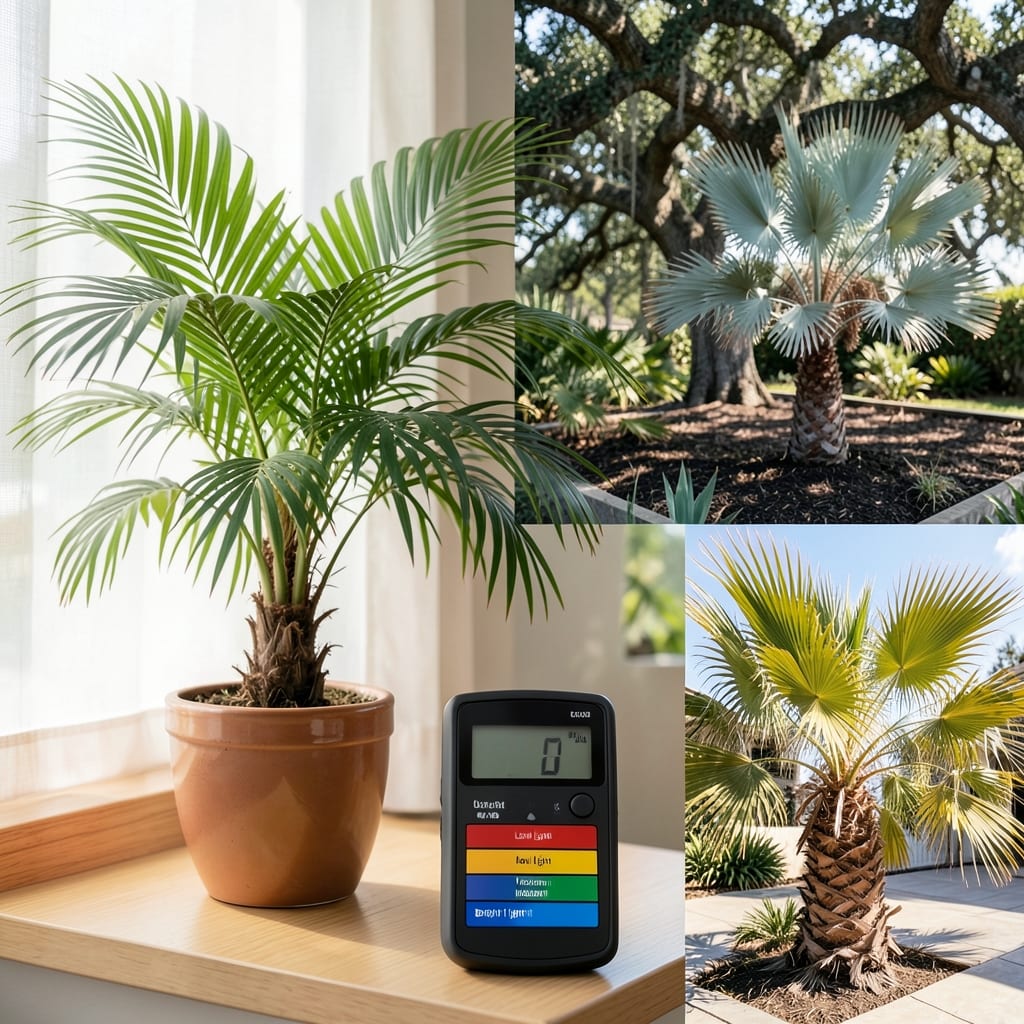
Palm plant light requirements by species: sun vs. shade tolerance guide
Palm plants are incredibly diverse, with some varieties thriving in bright, direct sunlight while others prefer gentle, filtered shade. The key to success lies in matching your palm species to its natural light preferences. For example, the Canary Island palm loves 6+ hours of full sun, while the Areca palm thrives with just 3-4 hours of indirect light daily. Understanding these differences prevents common issues like leaf scorch or stunted growth.
Most palms fall into three broad categories: sun-loving, moderate-light, and shade-tolerant. Sun-lovers like the Mediterranean fan palm need intense afternoon light, while shade-tolerant types such as the parlor palm can survive in low-light indoor spaces. Even within these categories, intensity matters—bright indirect light (like east-facing windows) differs from harsh direct rays (south or west exposure).
Here’s a quick reference to help you visualize the light needs of popular palm varieties:
| Palm Variety | Ideal Light Range | Notes |
|---|---|---|
| Canary Island Palm | 6–8 hours direct sun | Drought-tolerant; avoid afternoon shade |
| Areca Palm | 3–4 hours indirect light | Thrives indoors near east/west windows |
| Mediterranean Fan Palm | Full sun (8+ hours) | Heat-resistant; needs well-draining soil |
| Parlor Palm | Low to moderate indirect light | Best for offices or north-facing rooms |
| Pygmy Date Palm | 4–6 hours bright indirect light | Adapts to containers; avoid cold drafts |
| Majesty Palm | 5–6 hours filtered sun | Tolerates humidity; great for patios |
When selecting a palm for your space, consider both location and seasonal changes. A sun-loving palm placed indoors near a south-facing window may need supplemental grow lights in winter when daylight shortens. Conversely, a shade-tolerant palm moved outdoors in summer might develop sunburn if not gradually acclimated.
Outdoor palms often benefit from morning sun and afternoon shade, especially in hot climates like USDA Zones 9–11. For example, a California fan palm in Arizona should be planted where it receives intense morning rays but is shielded from scorching afternoon heat using a lightweight shade cloth. This balance prevents leaf tip burn while ensuring robust growth.
Indoor palms, however, face different challenges. Most homes lack natural bright indirect light, so positioning your palm near a west-facing window (which provides gentle afternoon light) often works better than a dim north-facing corner. If your space is low-light only, consider species like the bamboo palm or cat palm, which can tolerate artificial grow lights for 12–14 hours daily.
Pro tip: Rotate your palm quarter-turns every 2–4 weeks to ensure even light exposure. This prevents one-sided growth and keeps fronds symmetrical. For outdoor palms, monitor wind exposure—some species, like the windmill palm, need protection from strong gusts, which can dry out fronds even in ideal light conditions.
One common mistake is assuming all palms need full sun. While tropical palms like the coconut palm or sago palm crave direct sunlight, others—such as the spindle palm—thrive in partial shade under dappled canopy light. Always check your specific variety’s native habitat for clues: palms from rain
Signs your palm isn’t getting the right light (and how to fix it)
Your palm plant might look stunning, but its leaves tell a silent story about its light conditions. Yellowing fronds or brown, crispy tips often signal too much direct sun, while stretched, pale leaves or slow growth mean it’s craving more brightness. Paying attention to these visual cues can save your palm from irreversible damage.
One of the most common mistakes is assuming all palms thrive in the same light conditions. Indoor palms often suffer from under-lighting, especially if placed too far from windows, while outdoor palms can get sunburned if moved abruptly from shade to full sun. Gradual acclimation is key to avoiding stress.
Here’s how to diagnose and fix light-related issues in your palm plant:
Leaves turn yellowish-brown, often starting at the tips.
Edges of leaves become brown and brittle.
Leaves grow long and sparse, reaching toward light sources.
Leaves lose color and appear thin or translucent.
For outdoor palms, seasonal adjustments are crucial. In summer, provide afternoon shade to prevent sunburn, while in winter, ensure they receive enough light to maintain energy reserves. Rotate your palm every few weeks to promote even growth and prevent lopsided development.
If you’ve ruled out pests or disease and your palm still looks lackluster, light is likely the culprit. Start by observing its current location for 6-8 hours daily. If natural light is insufficient, invest in a full-spectrum LED grow light—it’s a game-changer for indoor palms. Remember, the goal is balanced light, not maximum brightness.
Your palm’s health is a direct reflection of its light conditions. By recognizing these signs early and adjusting its environment, you’ll keep your palm thriving for years to come. 🌿