
Light Requirements
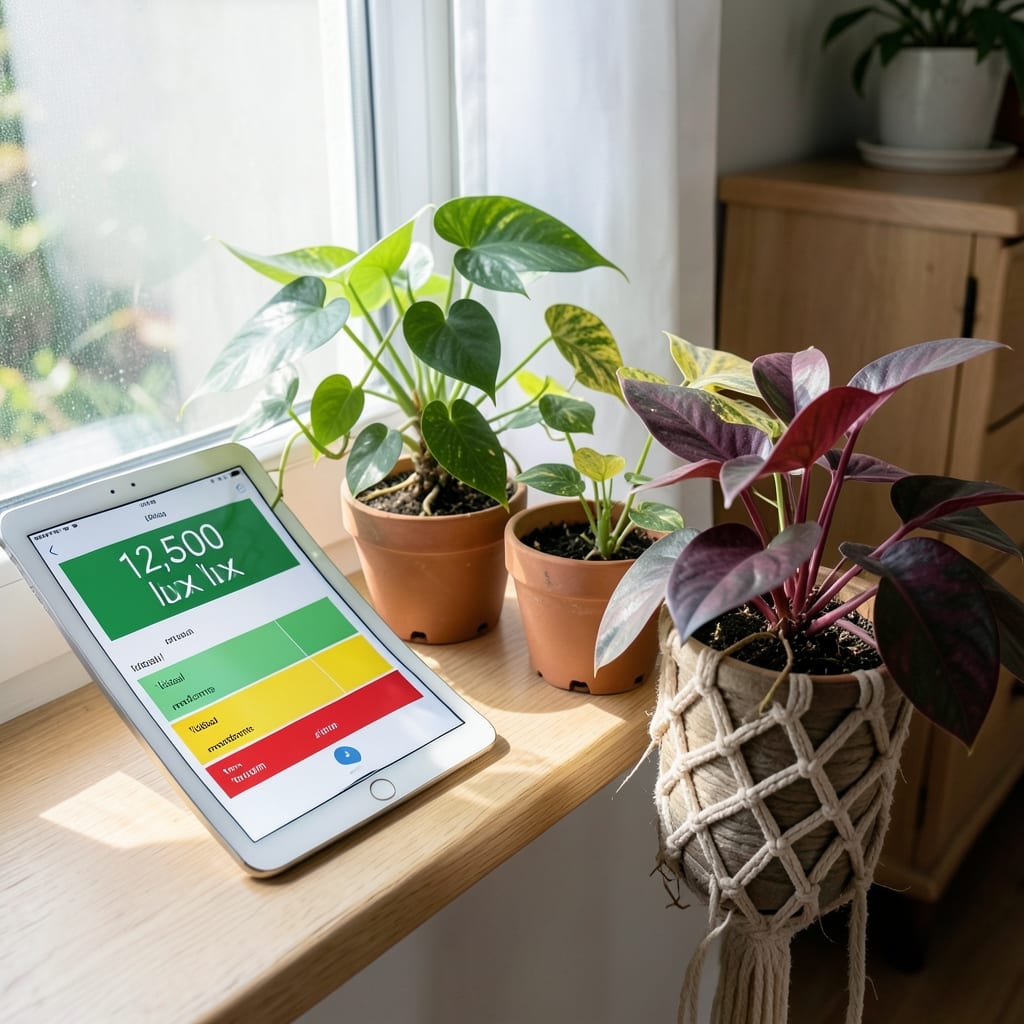
Philodendron light requirements by variety: low to bright indirect sun explained
Philodendrons thrive in low to bright indirect light, mimicking their native tropical understory. However, not all varieties have the same needs—some tolerate dimmer corners, while others crave slightly brighter spots. Understanding these differences is key to preventing yellowing leaves or stunted growth. Let’s break down the ideal light conditions for the most popular philodendron types and how to spot when they’re getting it wrong.
Heartleaf philodendrons (Philodendron hederaceum) are the most forgiving, thriving in low to medium indirect light—perfect for offices or bathrooms. Meanwhile, Brasil philodendrons (Philodendron selloum) need bright indirect light to showcase their striking, large leaves. Even small adjustments in placement can make a huge difference in your plant’s health and vibrancy.
🌿
| Variety | Ideal Light | Signs of Too Little Light | Signs of Too Much Light |
|---|---|---|---|
| Heartleaf (P. hederaceum) | Low to medium indirect | Pale, small leaves; leggy growth | Brown leaf tips; crispy edges |
| Brasil (P. selloum) | Bright indirect (east/west window) | Slow growth; dull foliage | Yellow patches; leaf scorch |
| Xanadu (P. 'Xanadu') | Medium indirect (rotating weekly) | Etiolation (stretched stems) | Bleached variegation; weak stems |
| Hope (P. 'Hope') | Low to bright indirect | Dark green, compact leaves | Brown spots; curled leaves |
| Glory (P. 'Glory') | Bright indirect (variegated types) | Dull variegation; slow growth | Burnt yellow patches |
Variegated philodendrons, like Glory or Brasil ‘White Knight’, need slightly more light to maintain their striking patterns. Without enough bright indirect light, their white or yellow variegation can fade to green, losing the visual appeal that makes them so popular. Rotate these plants quarter-turns weekly to ensure even exposure and prevent lopsided growth.
Artificial lighting can supplement natural light, but not all bulbs are equal. Grow lights with a full spectrum (especially red and blue wavelengths) are ideal for philodendrons in low-light spaces. Place them 6–12 inches above the plant and provide 12–14 hours of light daily to mimic a tropical day cycle. LED grow lights are energy-efficient and won’t overheat like incandescent bulbs.
If your philodendron is near a south-facing window, use a sheer curtain to diffuse the harsh midday sun. Direct sunlight can cause leaf burn, turning edges crispy and brown. Watch for yellow patches or bleached areas—these are red flags that your plant is getting too much light. Move it back a few feet or add a filter to protect its delicate foliage.
For climbing philodendrons like Philodendron bipinnatifidum* (tree philodendron), bright indirect light encourages larger, more dramatic leaves. Place them near an east or west-facing window where they’ll get gentle morning or afternoon sun. Avoid deep shade, as this can lead to small, weak leaves and weak stems that struggle to support the plant’s weight.
🪴
Even with the right light, drafts and temperature fluctuations near windows can stress philodendrons. Keep them away from AC vents, heaters, or cold glass in winter. A stable temperature between 65–80°F ensures they focus energy on growth rather than survival. Pair proper light with consistent humidity (40–60%) and well-draining soil to create the perfect tropical microclimate.
How to test and adjust your philodendron’s light conditions for optimal growth
First, assess your philodendron’s current light exposure by observing its leaves and growth patterns. Leggy stems or small, pale leaves signal low light, while brown patches or crispy edges mean too much direct sun. Place your plant near a window and check the light quality—bright indirect light is ideal, similar to dappled sunlight under a tree.
Use a simple test: Hold a piece of paper near your philodendron during the day. If the light creates a sharp shadow, it’s direct sun—move the plant back. For soft shadows, you’ve got perfect filtered light. Most philodendrons thrive 1-3 feet from a north-facing window or 2-4 feet from an east-facing window.
🌿
⚠️ Warning: Avoid These Light Traps
- South-facing windows: Harsh, direct sun burns leaves.
- Cold drafts near windows: Causes leaf drop and stress.
- LED grow lights without full spectrum: Can stunt growth if used alone.
Philodendrons need 6-8 hours of indirect light daily—supplement with a full-spectrum bulb if natural light is insufficient.
Rotate your philodendron quarter-turn weekly to ensure even growth, especially if it’s near a single light source. Heartleaf philodendrons tolerate lower light than climbing varieties like Brasil or Xanadu, which need slightly brighter conditions to develop vibrant foliage. If your plant is in a west-facing window, use a sheer curtain to diffuse the afternoon sun.
For low-light offices, place your philodendron on a bookshelf or desk near a window—even artificial fluorescent lighting can work if supplemented with a 12-hour grow light cycle. Monitor soil moisture closely in low light, as slower growth means less water evaporation. Overwatering is a common issue when light levels drop.
If your philodendron shows signs of light stress, adjust gradually. Move it closer to a window over 1-2 weeks to avoid shocking the plant with sudden bright light. Prune damaged leaves with sterilized scissors and fertilize lightly with a balanced 10-10-10 mix to support recovery.
🪴