
Light Requirements
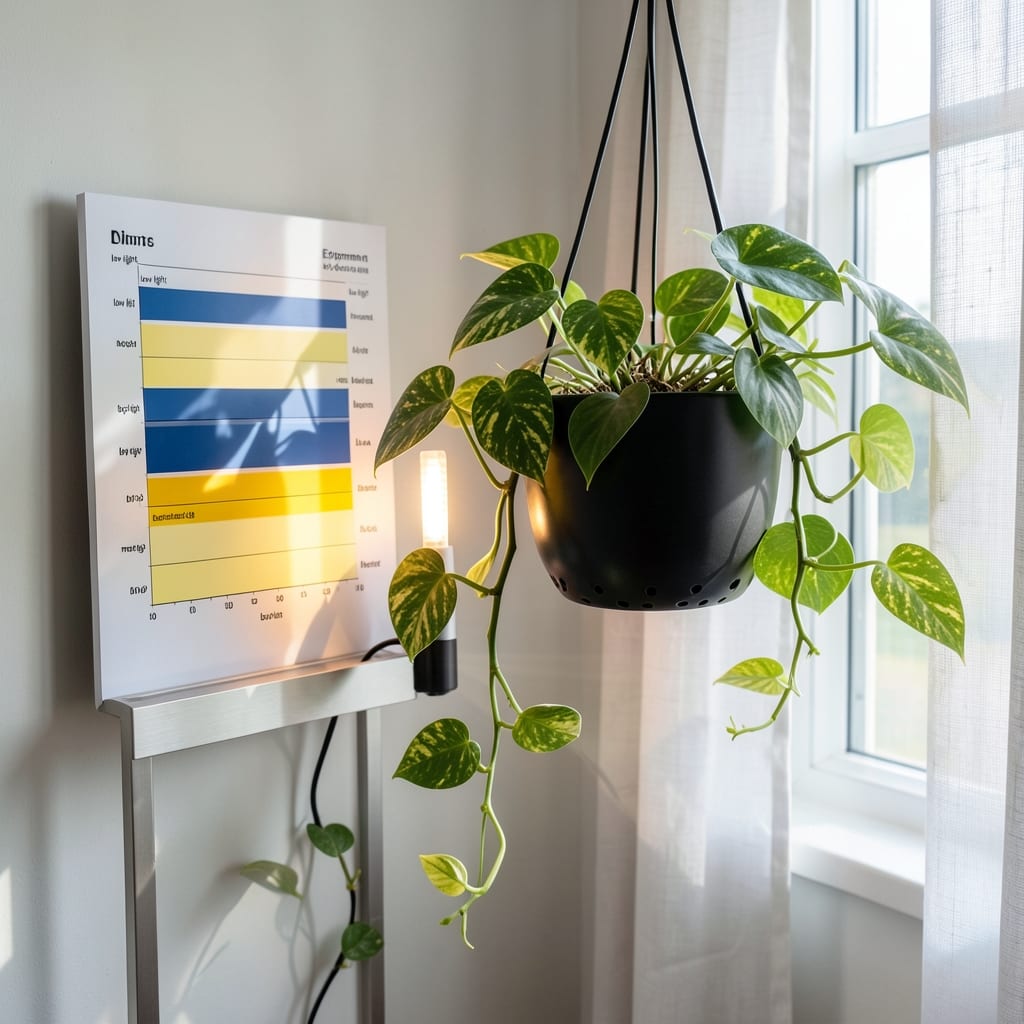
Pothos light requirements: the 3 brightness zones for optimal growth
Your pothos plant (Epipremnum aureum) is a master of adaptability, but it still has light preferences that determine its health, growth rate, and even leaf color. Unlike high-maintenance plants, pothos thrives in low to bright indirect light, making it perfect for offices, bathrooms, and dim corners. However, understanding the three brightness zones will help you avoid common pitfalls like leggy growth or yellow leaves.
Most pothos owners make the mistake of assuming "low light" means "any light." In reality, there’s a sweet spot where your plant grows lush and vibrant. Below, I’ll break down the three ideal light zones, how to spot them in your home, and what to watch for in each. Think of this as your pothos’s personalized sunlight prescription—tailored to its needs, not just your space’s limitations.
🌿 Visual Guide: Pothos Light Zones
| Light Zone | Description | Leaf Color | Growth Rate | Best For |
|---|---|---|---|---|
| Low Light | North-facing windows, 10+ feet from bright windows, offices without natural light | Darker green, variegation fades | Slow (1-2 inches/month) | Survival mode; minimal care |
| Medium Light | East/west windows, 3-6 feet from south-facing windows, fluorescent lighting | Vibrant green/yellow variegation | Moderate (2-4 inches/month) | Ideal for most homes |
| Bright Indirect | 1-3 feet from east/west windows, sheer curtain-filtered south light | Deep green with bold variegation | Fast (4-6 inches/month) | Showstopper growth and color |
The medium light zone is where most pothos owners should aim—it’s the Goldilocks zone for balanced growth and color. Here, your plant gets enough light to maintain variegation (those stunning yellow or white patterns) without risking leaf scorch. Place your pothos 3-6 feet from an east-facing window or 6-10 feet from a south-facing window with sheer curtains to diffuse harsh rays.
If your pothos is in the low light zone, don’t panic—it’s still alive, but it’s essentially in survival mode. You’ll notice smaller leaves, slower growth, and a loss of variegation as the plant prioritizes staying alive over aesthetics. To help, rotate your plant quarter-turns every 2 weeks so all sides get equal exposure, even if it’s minimal. This prevents leggy growth (long, sparse stems) and encourages bushier, healthier vines.
For the bright indirect light zone, think of it as the VIP treatment for your pothos. This is where you’ll see the most vibrant colors and fastest growth. Place your plant 1-3 feet from an east-facing window or use a sheer curtain on a south-facing window to mimic natural dappled sunlight. Avoid direct midday sun, which can cause brown leaf tips or sunburn spots—even tough pothos can’t handle unfiltered rays for long stretches.
Pro tip: Use your hand as a light meter. Hold your hand near the plant’s leaves. If you can barely read a book’s text in that spot, it’s low light. If you can read comfortably but not see shadows clearly, it’s medium light. If shadows are sharp and details are crisp, you’re in the bright indirect zone. This simple trick saves you from guessing!
One common myth is that pothos can thrive in any light. While true, it grows best in medium light. Push it into the bright indirect zone, and you’ll reward yourself with a lush, fast-growing plant that’s a conversation starter. Skip the ideal conditions, and you’ll end up with a slow-growing, leggy vine that barely resembles the vibrant plant you bought. The choice is yours—but your pothos will thank you for the right spot!
Ready to optimize your pothos’s light? Start by mapping your home’s light levels using the zones above. Then, adjust placement or supplement with grow lights if needed. Your plant’s future depends on these simple tweaks!
Pothos light requirements: the 3 brightness zones for optimal growth
Pothos plants are famously adaptable, but their light needs determine whether they thrive or struggle. Most growers get it wrong by either underestimating their tolerance for low light or exposing them to harsh direct sun. The key lies in understanding the three brightness zones—low, medium, and bright indirect—that will keep your pothos lush and vibrant.
In low light, your pothos will survive but grow slowly with sparse leaves. This is ideal for offices or rooms far from windows. Medium light (like an east or north-facing window) is the sweet spot for balanced growth. Meanwhile, bright indirect light (west-facing windows with sheer curtains) encourages faster, healthier foliage. Let’s break down what each zone looks like in practice.
| Brightness Zone | Light Source | Growth Rate | Leaf Color |
|---|---|---|---|
| Low Light | North-facing window, offices, bathrooms | Slow (1-2 ft/year) | Dull green, small leaves |
| Medium Light | East/west windows, 1-3 ft from north window | Moderate (3-6 ft/year) | Rich green, medium-sized |
| Bright Indirect | West window with sheer curtain, grow lights | Fast (6-10 ft/year) | Deep green, large leaves |
Notice how leaf color and growth rate change dramatically across these zones? In low light, leaves may develop yellow patches or stretch toward the light—a condition called etiolation. Meanwhile, bright indirect light produces glossy, heart-shaped leaves that are a pothos owner’s pride. The goal is to match your plant’s placement to its current health.
Pro tip: Rotate your pothos quarterly to ensure even growth. Plants naturally lean toward light sources, so a slow spin keeps stems balanced and leaves uniform. This works for all three brightness zones but is especially critical in low-light spots where growth is slower.
For variegated pothos (like 'Golden' or 'Marble Queen'), bright indirect light is non-negotiable. Their white/yellow patterns need light to stay vibrant—without it, they revert to solid green. Even non-variegated types benefit from this light level for denser foliage.
If you’re unsure where your pothos falls, check the underside of leaves. Healthy pothos leaves have a smooth, waxy texture in bright indirect light. In low light, they’ll feel thinner and more papery—a clear sign it’s time to move closer to a window or add a grow light.
Remember: Pothos are survivors, but they’ll always reward you with healthier growth when given the right light. Start with medium light, observe your plant’s response, and adjust gradually. With the right brightness zone, your pothos could grow up to 10 feet indoors in just a few years!