
Plants
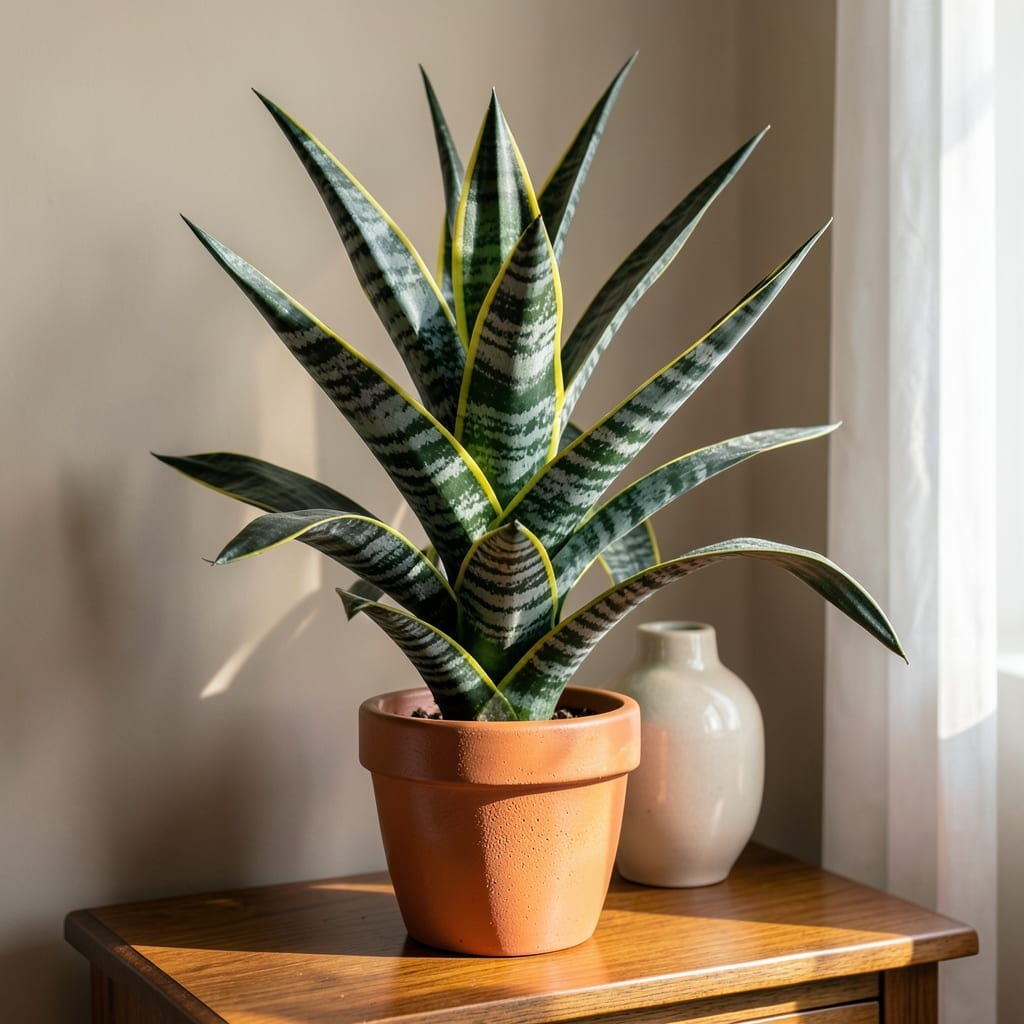
If your rattlesnake plant 🌿 keeps looking sad with droopy leaves or crispy edges, you’re probably guessing about how much light it needs—and getting it wrong. This stunning tropical beauty thrives in conditions most homes miss, and small mistakes can turn vibrant foliage into a sad, struggling mess.
The key to keeping your rattlesnake plant healthy lies in bright, indirect light—think of it like a sunbathing teen who burns in direct rays but glows under a sheer curtain. Too much harsh sunlight? Instant leaf scorch. Too little? Stunted growth and dull colors. I’ll show you exactly where to place it (and what to avoid) so you can finally see those striking patterns shine.
Let’s start with the basics: the ideal light setup for your rattlesnake plant, plus how to spot when it’s begging for more (or less) brightness. Trust me, once you nail this, your plant will reward you with lush, vibrant leaves that’ll make your space pop.
Ready to transform your rattlesnake plant from "meh" to "wow"? The secret’s simpler than you think—and it all starts with light. Let’s get your plant the perfect glow.

Optimal light requirements for rattlesnake plants: bright indirect light explained
Your rattlesnake plant (Calathea orbifolia) thrives in bright indirect light, mimicking its natural understory habitat. This means placing it near a window where sunlight filters through sheer curtains—never in harsh, direct rays. Think of it like a tropical rainforest dweller that avoids the canopy’s harshest sun. Too much direct light? You’ll see crispy brown edges. Too little? Dull, limp leaves that beg for more energy.
Most homes struggle to provide the perfect balance, but I’ve found that 4-6 hours of bright indirect light daily is ideal. This could mean an east-facing window where morning sun is gentle, or a west-facing spot with filtered afternoon light. South-facing windows can work too, but only if you use a sheer curtain to diffuse the intensity. North-facing windows often provide the softest light but may not offer enough brightness for long-term health.
The key is to observe your plant’s reaction. If the leaves are dark green with vibrant patterns, you’ve nailed the light. If they’re light green or yellowing, it’s likely getting too much sun. If growth stalls and leaves look small and weak, it needs more brightness. I’ll show you exactly how to adjust placement based on these clues.
Here’s a quick rule of thumb: 2-3 feet from an east or north window is usually perfect. If your home lacks natural light, don’t worry—we’ll cover artificial light solutions later to keep your rattlesnake plant thriving even in dimmer spaces.
| Light Condition | Effect on Rattlesnake Plant | Solution |
|---|---|---|
| Bright Indirect Light (4-6 hrs) | Vibrant leaves, healthy growth, bold patterns | Ideal placement: East or north window, 2-3 ft away |
| Direct Sunlight (2+ hrs) | Brown crispy edges, bleached spots, leaf burn | Move to indirect light or use sheer curtain |
| Low Light (<4 hrs indirect) | Pale leaves, slow growth, weak stems | Supplement with grow lights (12-14 hrs/day) |
| Fluorescent/LED Light (Artificial) | Healthy growth if spectrum matches natural light | Use full-spectrum LED, 6-12 inches above plant |
One common mistake I see is placing rattlesnake plants too close to windows, especially south-facing ones. The glass can magnify heat and UV rays, causing leaf scorch within days. Always test a spot by placing your hand near the window—if it feels warm after a few hours, your plant will too. If it’s cool to the touch, it’s likely safe for indirect light.
Seasonal changes also affect light needs. In winter, when natural light dims, your rattlesnake plant may need supplemental grow lights to maintain its vibrancy. I recommend a 12-14 hour photoperiod during shorter days to mimic summer conditions. Conversely, in summer, watch for afternoon sun creeping in—even indirect rays can become intense. Rotate your plant quarter-turns weekly to ensure even growth and prevent it from leaning toward the light source.
Pro tip: If you notice your plant’s leaves drooping slightly in the morning, it’s often a sign of underwatering overnight—but if the droop persists all day, it’s likely a light issue. Combine proper light with consistent moisture (keep soil lightly damp but never soggy) for the best results. Your rattlesnake plant will thank you with glossy, patterned leaves that’ll be the envy of every plant lover.
Let’s talk about what happens when you get the light wrong—next, I’ll show you the telltale signs your rattlesnake plant is either starving for light or burning from too much. Trust me, spotting these early can save your plant from irreversible damage.
Signs your rattlesnake plant isn’t getting enough (or too much) light
Your rattlesnake plant 🌿 speaks volumes through its leaves—if you know what to listen for. The first clue is leaf color. Healthy rattlesnake plants boast deep green leaves with striking patterns, but when light is off, those patterns fade. Too little light? Expect pale, washed-out leaves that lose their signature marbling. Too much? Watch for yellow or brown patches where sunlight hits directly, a clear sign of leaf burn.
Pay attention to leaf size too. A plant starved for light produces small, weak leaves that barely resemble its vibrant potential. Conversely, if your rattlesnake plant’s leaves are larger than usual with thin, papery textures, it’s likely stretching toward a light source—a classic sign of etiolation. This happens when the plant reaches for more brightness but can’t find it, causing leggy, unstable growth.
🌱 Key Takeaway: Light Stress Symptoms
Too little light
Too much direct sun
Light deficiency
Stretching for light
Another red flag? Leaf curl or crispiness. If the edges of your rattlesnake plant’s leaves start curling upward or feeling dry to the touch, it’s often a light intensity issue. In extreme cases, you might even see blackened spots where the plant’s cells have been damaged by too much sun. The good news? These problems are usually reversible with simple adjustments—like moving your plant to a shadier spot or adding a sheer curtain.
Don’t overlook growth patterns either. A healthy rattlesnake plant grows at a steady, compact pace. If you notice slow or stunted growth, it’s likely not getting enough light to fuel its energy needs. On the flip side, if your plant suddenly bolts upward with long, bare stems, it’s desperately reaching for more light. This is your plant’s way of saying, “I need more brightness!”
Here’s my pro tip: Rotate your plant weekly to ensure even growth. Rattlesnake plants naturally grow toward light sources, which can cause them to lean or become lopsided. A simple quarter-turn every 7 days helps maintain a balanced, bushy shape while preventing any one side from getting too much direct exposure.
If you’ve spotted any of these signs, don’t panic—your rattlesnake plant is easily fixable! Start by moving it to a brighter spot (but still indirect) if it’s been in low light, or adding a sheer curtain if it’s getting too much sun. Within weeks, you’ll see those vibrant patterns return and your plant will be back to its happy, healthy self. 🌱