
Plants
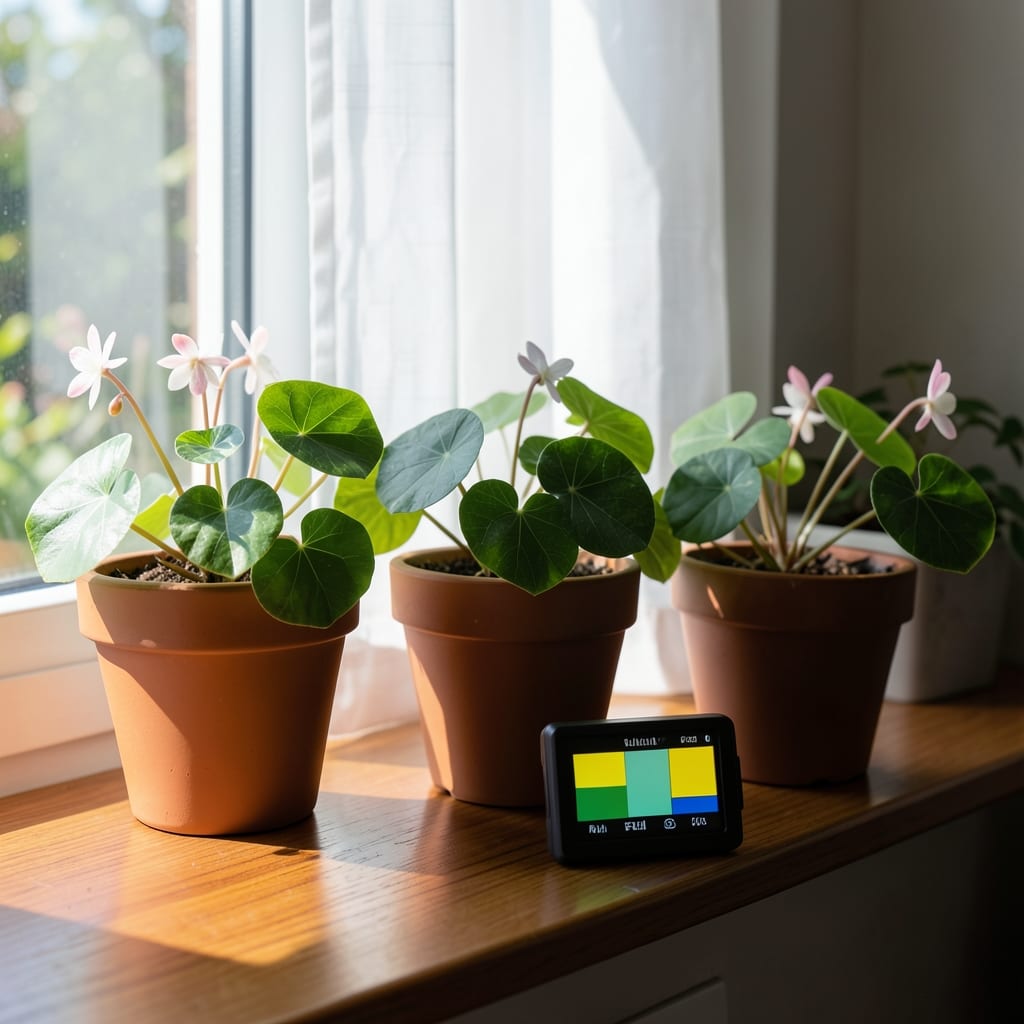
If you’re wondering how much light does a shamrock plant need to thrive, the answer might surprise you—these vibrant little plants crave more than most gardeners realize. Your leggy, sad shamrock isn’t just being dramatic; it’s begging for brighter conditions. Unlike its low-light-loving pothos cousin, a shamrock flourishes in bright indirect sunlight, not the dim corner where your houseplant collection naps. Get the lighting right, and you’ll unlock lush, happy growth that lasts all season.
Most gardeners assume shamrocks can handle low light, but that’s a common mistake. Too little sunlight leads to weak stems and pale leaves, while direct afternoon rays can scorch their delicate foliage. The sweet spot? 4-6 hours of bright, filtered light daily—think east-facing windows or dappled shade outdoors in USDA Zone 6a.
Indoor growers often struggle to replicate this balance, but it’s easier than you think. I’ll show you how to spot light deficiency signs and adjust your setup—whether you’re dealing with a north-facing apartment or a sun-drenched patio. Let’s fix that before your shamrock throws in the towel.
Ready to transform your 🍀 from struggling to stunning? By the end of this guide, you’ll know exactly how much light your shamrock needs—and how to give it just the right amount, no guesswork required.
 Best Window Placement
Ideal light requirements for shamrock plants: bright indirect sunlight explained
Shamrock plants (Oxalis spp.) thrive in bright indirect sunlight, making them perfect for east-facing windows or lightly shaded outdoor spots. Unlike sun-loving succulents, they avoid harsh afternoon rays, which can scorch their delicate foliage. Think of it as a gentle morning glow—just enough to fuel growth without stressing the plant.
The 4-6 hour rule is your golden standard: 4 hours of morning sun (before 10 AM) plus 2-4 hours of filtered light afterward. This mimics their natural habitat under dappled forest canopies. Too little light? Your shamrock will stretch toward the window, growing leggy and weak. Too much? The leaves may develop brown patches or crispy edges.
Seasonal adjustments are key. In spring and fall, shamrocks can handle up to 6 hours of morning sun as days lengthen. But by summer, move them away from south-facing windows or use sheer curtains to diffuse intensity. I once let my shamrock bake in full sun for a week—the leaves turned yellow and crispy within days. Lesson learned!
🌱
| Light Condition | Daily Duration | Ideal Time | Plant Response |
|---|---|---|---|
| Bright Indirect | 4-6 hours | Morning + filtered afternoon | Vibrant growth, compact leaves |
| Low Light | <2 hours | Any time | Leggy stems, pale leaves |
| Direct Sun | >6 hours | Afternoon | Brown leaf tips, wilting |
| Partial Shade | 2-4 hours | Morning only | Slow growth, small leaves |
Watch for subtle signs of light stress. Yellowing leaves often mean too much sun, while dark green, sparse foliage signals insufficient light. My shamrock once developed tiny white flowers—a sign it was finally happy with its light conditions! These blooms are rare but rewarding, appearing when the plant feels secure in its environment.
For outdoor shamrocks, place them under tree canopies or on patio edges where they get morning sun and afternoon shade. I’ve grown them in container gardens near my deck, using a 50% shade cloth in peak summer to protect them. This simple trick kept their leaves lush and damage-free all season.
If you’re growing shamrocks indoors, rotate the pot quarter-turns weekly to ensure even light exposure. Plants naturally lean toward their light source, creating uneven growth. I once had a shamrock that grew completely lopsided because it was always facing the same window. A little rotation goes a long way!
🌿
Pro tip: Use a light meter app (like Plants by Terra) to measure 1,000-2,000 foot-candles of light—this is your shamrock’s sweet spot. Most smartphones can approximate this with a free app. I test mine weekly, especially during cloudy spells, when indoor light drops dramatically. Adjusting placement based on real data makes a world of difference in plant health.
Remember, shamrocks are adaptable but not forgiving. A gradual transition is best if moving your plant. If you bring it inside from a bright patio, shade it for 3-5 days first to avoid sun shock. The same goes for outdoor plants moving back inside for winter—acclimate them slowly to prevent stress.
☀️
Ideal light requirements for shamrock plants: bright indirect sunlight explained
Shamrock plants (Oxalis spp.) thrive best with bright indirect sunlight, mimicking their natural woodland understory habitat. Too much direct sun can scorch their delicate leaves, while too little light causes leggy growth and pale foliage. Aim for 4-6 hours of filtered light daily—think dappled shade under trees or an east-facing window.
Morning sunlight is ideal because it’s less intense than afternoon rays. If your shamrock sits in a south-facing window, use a sheer curtain to diffuse harsh light. Avoid placing it in deep shade, where it’ll stretch toward any available light source, weakening its structure.
Here’s how to spot light-related issues in your shamrock:
- Too little light: Leaves grow sparse, stems elongate, and color fades to yellow-green.
- Too much light: Leaves develop brown patches or crispy edges, especially in hot afternoons.
- Perfect light: Deep green, compact leaves with vibrant red or purple undertones.
| Light Condition | Daily Duration | Leaf Color | Growth Response |
|---|---|---|---|
| Bright Indirect | 4-6 hours | Deep green with red/purple tones | Compact, healthy foliage |
| Low Light | <2 hours | Pale yellow-green | Leggy, sparse growth |
| Direct Sun | >6 hours | Brown/burnt edges | Stunted, crispy leaves |
Seasonal adjustments are key! In spring and fall, shamrocks can handle 3-4 hours of morning sun as days lengthen or shorten. During summer, move them away from west-facing windows where afternoon heat intensifies. If outdoors, place them under 50% shade cloth or in a spot with afternoon shade.
For indoor growers, rotate your shamrock quarter-turn weekly to ensure even light exposure. This prevents one side from leaning toward the window. If your home lacks natural light, supplement with a grow light (12-14 hours daily) placed 6-12 inches above the plant.
Pro tip: Watch your shamrock’s leaf color as your best indicator. If the red or purple hues fade, it’s craving more light. If leaves darken to almost black, it’s getting too much direct sun. Balance is everything for these finicky but rewarding plants! 🍀