
Companion Plants
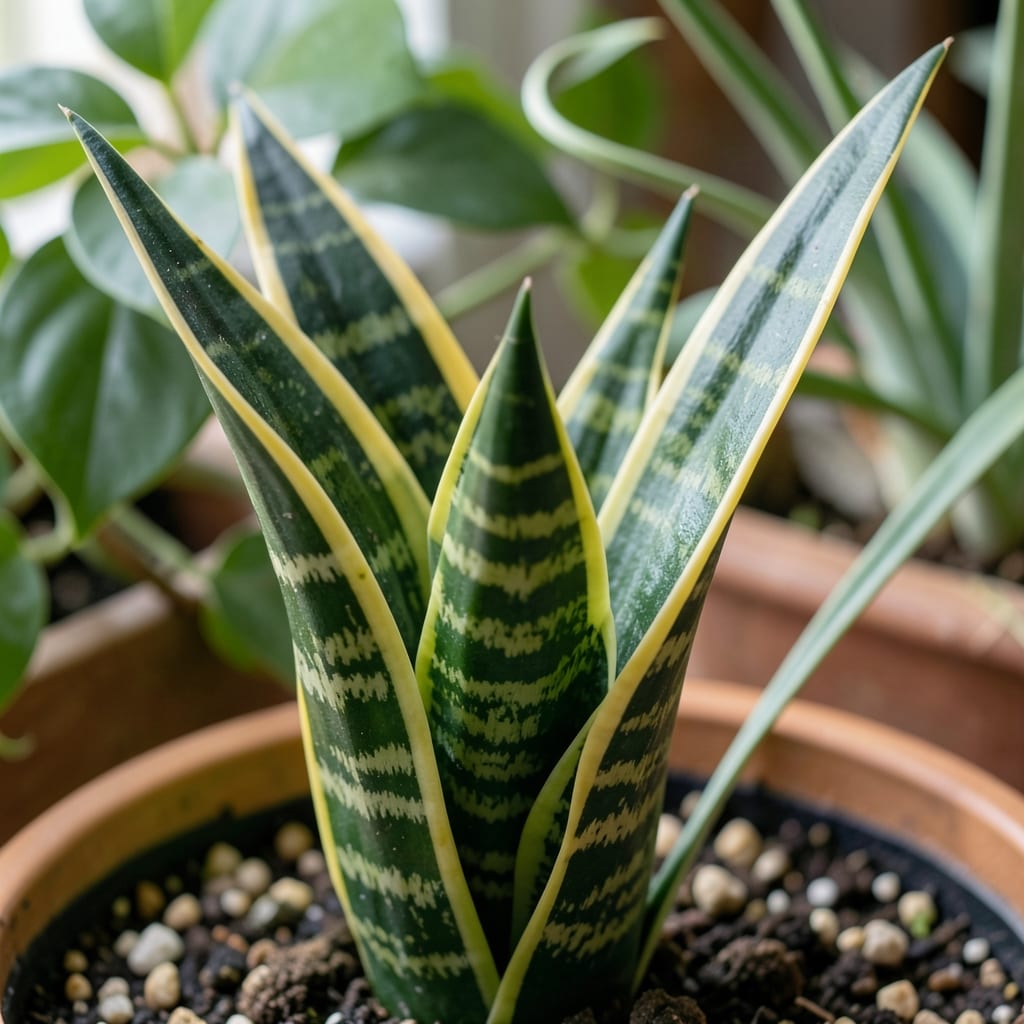
Ideal light requirements for snake plants: low to bright indirect sunlight explained
If you’ve ever wondered, "How much light does a snake plant need?" the answer is simpler than you might think. Snake plants (Sansevieria trifasciata) are masters of adaptability, thriving in conditions where other plants struggle. They’re perfect for busy plant parents because they tolerate low light while still appreciating bright indirect sunlight. But what does that really mean for your home? Let’s break it down.
The key to happy snake plants lies in understanding their light spectrum needs. Unlike sun-loving succulents, snake plants don’t need harsh, direct rays. Instead, they prefer filtered or diffused light, which mimics their natural habitat under the canopy of African savannas. This makes them ideal for offices, bedrooms, or any spot away from glaring windows. Think of them as the chameleons of the plant world—flexible enough to survive in dim corners but eager to grow when given a little extra light.
Snake Plant Light Requirements
| Light Condition | Ideal Placement | Growth Impact |
|---|---|---|
| Low Light (100-500 lux) | North-facing windows, corners, offices | Survives, slow growth |
| Medium Light (500-2,000 lux) | East/west-facing windows, 3-5 ft from south window | Thrives, vibrant leaves |
| Bright Indirect (2,000-5,000 lux) | 1-2 ft from east window, 4-6 ft from south window | Fastest growth, darkest variegation |
| Direct Sunlight (5,000+ lux) | South-facing windows without filter | Leaf burn, yellowing |
Here’s a pro tip: If you’re placing your snake plant near a window, position it 2-3 feet away from a north-facing window or 4-6 feet away from a south-facing window. This distance ensures it gets bright indirect light without the risk of leaf scorch. For those with east or west-facing windows, you can get even closer—just 1-2 feet away—to give your plant that sweet spot of morning or afternoon glow.
Ever noticed how snake plants seem to photosynthesize at night? That’s right—they’re one of the few plants that can convert CO₂ into oxygen after dark, thanks to a process called Crassulacean Acid Metabolism (CAM). This makes them incredibly efficient in low-light conditions, but they still benefit from a few hours of bright indirect light daily. Aim for 4-6 hours of light exposure to keep your plant happy and growing steadily.
One common misconception is that snake plants can handle any amount of light. While they’re tough, direct sunlight can cause brown tips or crispy edges on the leaves. If you notice these signs, it’s time to move your plant to a shadier spot. On the flip side, if your snake plant is stretching toward the light or developing pale, weak leaves, it’s craving more brightness. Rotate the pot quarter-turns every few weeks to ensure even growth and prevent lopsided development.
For those in apartments or offices with limited natural light, don’t worry—snake plants are your allies. They’ll survive in artificial lighting too, though growth may be slower. If you’re using grow lights, opt for full-spectrum LED bulbs and place them 6-12 inches above the plant for 12-14 hours per day. This mimics the daylight cycle and keeps your snake plant thriving even in the dimmest spaces.
Let’s talk about the best windows for snake plants. If you’re unsure which window to choose, here’s a quick guide: North-facing windows provide the gentlest light, perfect for snake plants that need a break from intensity. East-facing windows offer morning light, which is ideal for gradual growth. West-facing windows can work too, but be mindful of the hot afternoon sun. And while south-facing windows are the brightest, they’re best for plants that love direct sun—like succulents—not snake plants.
Remember, the goal is to find that goldilocks zone of light—not too much, not too little. With the right balance, your snake plant will reward you with bold, upright leaves and a resilience that’ll make you the envy of every plant parent in your circle. Ready to give it a try? Start by assessing your space and finding that perfect spot today!
Signs your snake plant isn’t getting the right light (and how to fix it)
Your snake plant might look tough, but it’s actually quite sensitive to light imbalances. If it’s not getting the right amount of bright indirect light, you’ll start noticing subtle (or not-so-subtle) clues. The first red flag is pale or yellowing leaves, which often means your plant is craving more light. This happens when it’s stretched too far from a window or placed in a dim corner. Think of it like a sunbathing human—too little exposure leads to weakness!
On the flip side, brown tips or crispy edges on the leaves are classic signs of too much direct sunlight. This is your plant’s way of saying, “I’m getting sunburned!” If you notice these brown patches, especially on the leaf tips, it’s time to move your snake plant to a shadier spot. A simple fix is to place it 2-3 feet away from a south-facing window or use a sheer curtain to diffuse the light.
Light Warning Signs & Fixes
❌ Too Little Light:
- Pale, weak leaves – Plant stretches toward light
- Slow growth – New leaves are small and sparse
- Leggy appearance – Long stems with sparse foliage
✅ Fix: Move to brighter spot or use grow lights 12-14 hrs/day
❌ Too Much Light:
- Brown tips – Crispy, dry leaf edges
- Yellow patches – Bleached or sunburned areas
- Curling leaves – Leaves may pucker or wrinkle
✅ Fix: Move to indirect light or add sheer curtain
Another telltale sign is when your snake plant starts to lean or grow lopsided. This happens when it’s reaching for light from one direction, often near a window. To fix this, simply rotate the pot ¼ turn every 2-3 weeks. This ensures even growth and keeps your plant looking balanced and symmetrical. It’s like giving your plant a little light therapy session—equal exposure on all sides!
If your snake plant’s leaves develop dark spots or black patches, this could indicate overwatering combined with too much light. The intense light increases transpiration, causing the roots to dry out faster, while excess water leads to root rot. The solution? Adjust both watering and light. Let the soil dry out completely between waterings and move the plant to a moderate-light spot, like an east-facing window.
For those in apartments with artificial lighting, watch for stunted growth or weak stems. If your snake plant isn’t thriving under LED or fluorescent bulbs, it’s likely not getting enough light intensity. Upgrade to a full-spectrum grow light and place it 6-12 inches above the plant for 12-14 hours daily. This mimics natural sunlight and gives your snake plant the energy it needs to grow.
Finally, pay attention to the color intensity of your snake plant’s leaves. Healthy snake plants have deep green or variegated patterns. If the colors fade or turn washed-out, it’s a clear sign of light deprivation. On the other hand, if the leaves develop white or yellow streaks, it could mean too much direct sun is damaging the chlorophyll. The fix? Find that sweet spot of bright indirect light—like a north or east window—and your plant will thank you with vibrant, healthy foliage.
Remember, snake plants are forgiving, but they do communicate their needs. By keeping an eye out for these visual cues, you’ll be able to adjust their light exposure quickly and keep your plant thriving for years to come. Happy plant parenting! 🌿