
Light Requirements
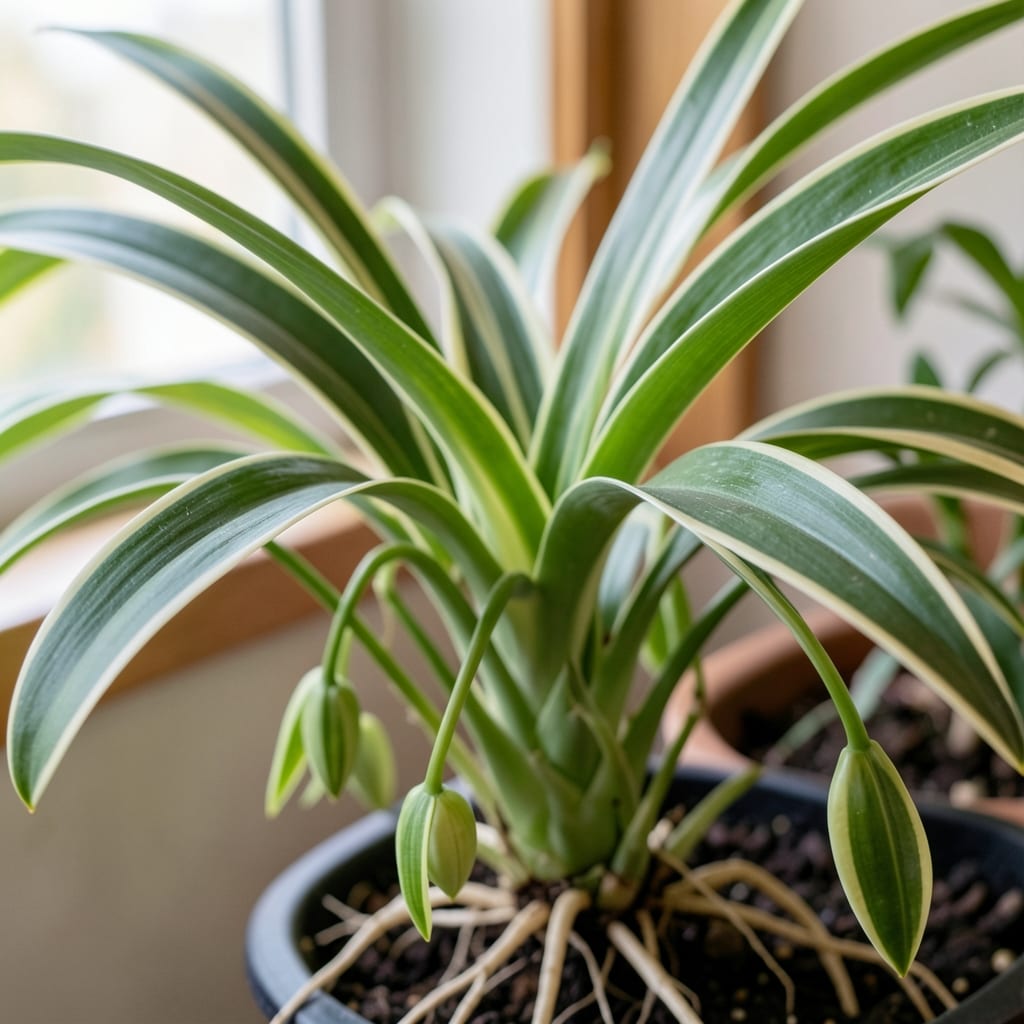
If you’re wondering how much light does a spider plant need? to thrive, the answer is simpler than you think—yet most people get it wrong. That sad, yellowing spider plant with sparse growth or crispy edges? Chances are, your light setup is off. These hardy plants crave 3-4 hours of bright, indirect sunlight daily—not the harsh glare of direct sun or the dull corners many assume will suffice. Too much sun burns them, while too little leaves them weak and stretched out. I’ve watched my own spider plants bounce back when I finally cracked the light code, and I’m here to share exactly what works. Whether you’re dealing with a south-facing window that’s too intense or a shady corner that’s too dull, we’ll figure out the perfect spot for your plant to flourish. No more guesswork—just lush, happy growth. What’s even better? Spider plants are forgiving, but they do send signals when they’re struggling. Brown tips? Probably too much sun. Leggy stems? Not enough light. I’ll show you how to read these clues and adjust your care routine so your plant stays vibrant year-round. Ready to turn your 🌿 spider plant from struggling to stunning? The key isn’t just placing it anywhere—it’s about understanding the balance between light intensity and duration. Let’s dive into the details so you can give your plant exactly what it needs to thrive, no matter where you live or what your space looks like.

Ideal light requirements for spider plants: bright, indirect sunlight explained
Your spider plant thrives in bright indirect light, making it perfect for homes with moderate sunlight. Aim for 3-4 hours of filtered light daily, like what you’d find near an east-facing window or under sheer curtains. This balance prevents sunburn while ensuring lush, vibrant growth.
Think of bright indirect light as sunlight diffused through a light fabric curtain or reflected off nearby walls. Direct sun can cause brown leaf tips, while too little light leads to leggy, sparse foliage. The key is mimicking dappled forest light—just enough to fuel photosynthesis without scorching.
🌿
If your spider plant shows yellow leaves or stretched stems, it’s craving more light. Move it 2-3 feet closer to an east-facing window or add a grow light for 10-12 hours daily. For brown tips or white patches, it’s getting too much direct sun—relocate to a shadier spot or use sheer curtains.
Pro tip: Rotate your plant quarter-turn weekly to ensure even light exposure. This prevents lopsided growth and keeps those arching leaves symmetrical. Think of it like giving your plant a light massage—gentle and consistent.
Seasonal adjustments matter too. In winter, when natural light dims, supplement with a 12-hour grow light to maintain 4-6 hours of equivalent light. My spider plant in a north-facing office thrives year-round with just a LED grow bulb during shorter days.
For new gardeners, start with an east window—it’s the goldilocks zone for spider plants. If that’s not an option, a north-facing spot works too, just place the plant closer to the glass. Avoid west or south windows unless you’re using sheer curtains to filter the harsh afternoon sun.
Remember, spider plants are forgiving but finicky about light. The goal is consistency, not intensity. Even a dim corner can work if you add a grow light—just avoid complete darkness, which stunts growth entirely. With the right light, your plant will reward you with lush foliage and plenty of offsets for propagation!
🪴
How to adjust your home’s lighting for a thriving spider plant
Adjusting your home’s lighting for a spider plant doesn’t require fancy setups—just a few smart tweaks. Start by assessing your space: east-facing windows offer the perfect morning sun, while north-facing windows provide gentle, all-day light. If your plant is near a south or west window, use sheer curtains to diffuse harsh rays and prevent leaf burn.
For low-light areas like bathrooms or basements, grow lights are a game-changer. A simple LED grow bulb (6000K-6500K color temperature) placed 6-12 inches above your plant for 10-12 hours daily mimics natural sunlight. I’ve seen spider plants in my office corner thrive with just this setup—no direct sun needed!
Natural Light vs. Artificial Light
Natural Light
- Pros: Free, no setup, mimics outdoor conditions
- Cons: Inconsistent (seasonal changes), limited placement
Artificial Light
- Pros: Controlled intensity/duration, works in any room
- Cons: Requires setup, ongoing energy use
If your spider plant develops leggy stems or pale leaves, it’s begging for more light. Move it closer to the window or add a grow light. For brown tips or crispy edges, it’s getting too much sun—relocate to a shadier spot or add a curtain. I once had a spider plant near a west window that turned into a crispy mess until I moved it behind a light linen curtain.
Seasonal shifts matter too. In winter, when daylight shrinks, extend light exposure with a grow light for 12-14 hours to compensate. My spider plant in December needed this boost to avoid stunted growth. Conversely, in summer, watch for afternoon sun burning—close blinds by noon if needed.
For new gardeners, start with a simple grow light if natural light is lacking. A clip-on LED bulb costs under $20 and fits perfectly on shelves. Place it 6 inches away and run it for 10 hours daily. Rotate your plant weekly to prevent lopsided growth—this ensures even light exposure and symmetrical leaves.
Remember, spider plants are adaptable but need consistent light. Whether you’re using natural light, grow lights, or a mix, the goal is 3-4 hours of bright indirect light daily. With these adjustments, your plant will reward you with vibrant foliage and plenty of offsets for sharing!
💡