
Companion Plants
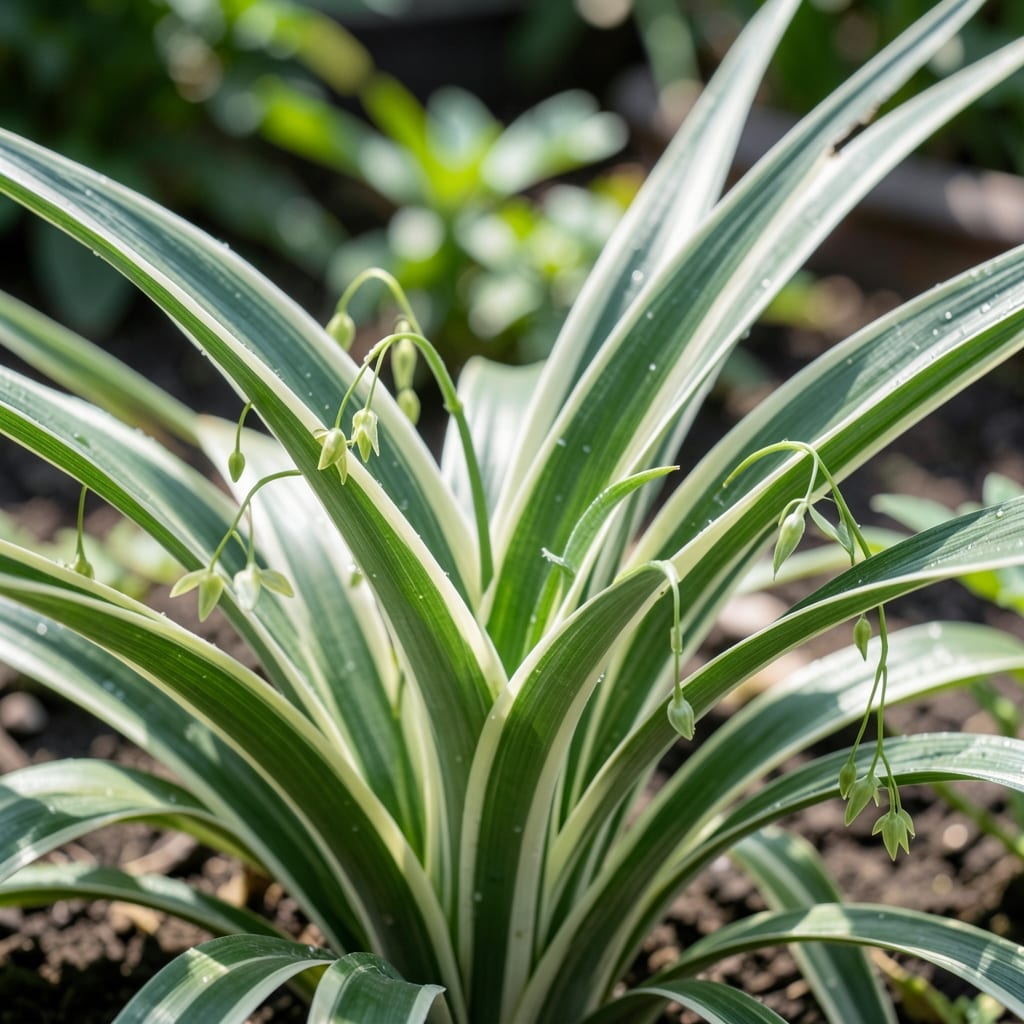
How much light does a spider plant require to stay lush and happy? If you’ve ever watched your 🕷️ Spider Plant stretch toward the window or develop sad, pale leaves, you’re not alone. The truth is simpler than you think—this hardy houseplant thrives with just 3-4 hours of bright, indirect sunlight daily. Too little, and it grows weak; too much, and those pretty variegated stripes fade. Let’s fix that with the perfect lighting strategy for your plant’s success.
Most people assume Spider Plants are low-maintenance shadows in a corner, but they’re actually adaptable—they’ll survive in dimmer spots, but they’ll never truly shine. The key is mimicking their natural habitat under dappled forest light. East-facing windows are ideal, while harsh afternoon sun can scorch those delicate leaves. I’ll show you how to spot the signs of light stress and adjust your setup in 3 simple steps—no guesswork required.
What if your home lacks natural light? Don’t worry—we’ll cover artificial lighting hacks too, from budget-friendly LED grow lights to positioning tricks for urban apartments. You’ll learn how to turn even the gloomiest room into a Spider Plant paradise. Ready to give your plant the glow it deserves? Let’s dive into the lighting secrets that’ll have your 🕷️ Spider Plant thriving in no time.
The best part? These adjustments take 5 minutes and could mean the difference between a struggling plant and one that blooms with those iconic striped leaves. Whether you’re a plant newbie or a seasoned grower, this guide will help you master the art of lighting—so your Spider Plant can finally reach its full potential. Let’s make those leaves happy!

Ideal light requirements for a healthy spider plant: bright, indirect sunlight explained
Your 🕷️ Spider Plant (Chlorophytum comosum) thrives on bright, indirect sunlight—think of it as a plant that loves morning sunshine but needs afternoon shade. This mimics its natural habitat under dappled forest light. The sweet spot is 3-4 hours of gentle light daily, which prevents those dreaded brown tips while keeping leaves vibrant. Too little light, and your plant stretches weakly; too much, and those pretty variegated stripes fade to green.
Most people assume Spider Plants are low-light champions, but they’ll survive in dim corners while only thriving with proper light. The key is avoiding harsh direct sun, which can scorch leaves within hours. Even a south-facing window can be too intense—always use sheer curtains to diffuse the light. If your plant starts leaning toward the window, it’s begging for more light, but not necessarily direct rays.
Here’s the golden rule: East or north-facing windows are perfect for Spider Plants. These orientations provide gentle morning light without the scorching afternoon sun. Place your plant 2-3 feet from the window to maximize light exposure while avoiding leaf burn. If you notice leaves turning pale or stretching toward the light, it’s time to adjust its position—closer to the window for more light, or farther back if it’s getting too intense.
🌱 Spider Plant Light Requirements Summary
| Requirement | Specification |
|---|---|
| Light Type | Bright, indirect sunlight |
| Daily Duration | 3-4 hours |
| Best Windows | East or North-facing |
| Distance from Window | 2-3 feet |
| Low-Light Tolerance | Survives, but grows slowly |
| Direct Sun Risk | Leaf burn, brown tips |
Seasonal changes can throw off your Spider Plant’s light needs. During winter, when sunlight is weaker, move your plant closer to the window to compensate. In summer, when the sun is stronger, create shade with a sheer curtain or rotate the pot every few days so all sides get even light. This prevents uneven growth and ensures your plant stays balanced. Think of it like giving your Spider Plant a gentle sunbath—just enough to keep it happy without overdoing it.
If you’re placing your Spider Plant outdoors during the warmer months, choose a spot with morning sun and afternoon shade. A partially shaded patio or balcony works perfectly, but avoid full sun—those delicate leaves can crisp up in no time. Even a few hours of direct sun can cause damage, so always prioritize indirect light. Pro tip: Watch for leaf color changes—if the variegation fades to solid green, it’s getting too much light.
Not all Spider Plants have the same light needs. Variegated varieties with white or yellow stripes require slightly more light to maintain their striking patterns, while solid green types are more forgiving. If you’re growing a variegated Spider Plant, aim for 4-6 hours of bright, indirect light daily. This extra light helps the plant produce the pigments that create those beautiful stripes. For solid green varieties, 3 hours is usually sufficient.
One common mistake is assuming that a Spider Plant will thrive in a dark corner. While they’re low-light tolerant, they won’t grow well or produce those iconic "spiderettes" (the baby plants that dangle from the ends of the leaves). If your plant isn’t producing offsets, it’s likely because it’s not getting enough light. Boost its light exposure gradually—sudden changes can shock the plant. Start by moving it a foot closer to the window each week until you find the sweet spot.
For urban gardeners with limited natural light, don’t despair—there are ways to supplement. A south-facing window with sheer curtains can work wonders, or you can use a reflective surface like a mirror to bounce light onto the plant. Even a well-placed LED grow light can make a difference in low-light spaces. The goal is to mimic that bright, indirect sunlight as closely as possible, so your Spider Plant feels right at home.
Remember, the ideal light setup for your Spider Plant isn’t about perfection—it’s about balance. Too little light, and your plant becomes leggy and weak; too much, and it gets stressed. The 3-4 hour rule is your best friend here. With the right light, your Spider Plant will reward you with vibrant leaves, healthy growth, and those adorable spiderettes that make it such a beloved houseplant. Now go give your plant the light it deserves!
Signs your spider plant isn’t getting enough (or too much) light: troubleshooting guide
Your Spider Plant (🕷️ Chlorophytum comosum) is a resilient houseplant, but even it sends distress signals when the lighting is off. The most common issue? Pale, stretched-out leaves—a clear sign it’s reaching for more light. This "leggy" growth happens when your plant isn’t getting its ideal 3-4 hours of bright, indirect sunlight daily. Think of it like a sunbathing teen: too little light, and they’ll grow lanky and weak.
On the flip side, brown, crispy tips or bleached white patches on leaves mean your plant is getting too much direct sunlight, especially harsh afternoon rays. These burns look like tiny sunscolds, and while your Spider Plant can recover, chronic exposure stunts its growth. The goal? Mimic its natural dappled forest light—think east-facing windows or a sheer curtain over a south window.
Here’s the kicker: Yellowing leaves can mean either overwatering or insufficient light. How to tell? Check the soil first—if it’s soggy, you’re watering too much. If it’s dry, your plant’s begging for brighter conditions. Pro tip: Rotate your plant quarter-turns weekly so all sides get even light exposure. Uneven growth (like lopsided leaves) is another red flag.
🚨 Watch for These Light Stress Signs
- Pale, thin leaves → Move closer to light (but avoid direct sun)
- Brown leaf tips → Filter harsh sunlight with a sheer curtain
- Slow growth → Increase light exposure gradually over 1-2 weeks
- Curling leaves → Check for drafts + light balance
🌱 Action Step: Test your plant’s light spot with a light meter app (aim for 500-1000 lux).
What about variegated Spider Plants (the striped varieties)? These need even more light to maintain their vibrant patterns. If the white stripes turn green, it’s a cry for brighter conditions. Start by moving it 6 inches closer to a window and monitor for 2 weeks. If the stripes return, you’ve found the sweet spot!
For outdoor Spider Plants (hardy in USDA zones 9-11), watch for leaf scorch in summer. If you notice crispy edges, provide afternoon shade with a cloth shade cloth (30-50% block). In winter, bring potted plants indoors before temps drop below 50°F—cold drafts + low light = recipe for stress.
Remember: Adjustments should be gradual. Sudden moves can shock your plant. If you’re unsure whether to move it closer or farther, start with a 1-foot shift and observe for a week. Your Spider Plant will thank you with bold, arching leaves and maybe even those rare spiderettes (baby plants) dangling from the ends!