
Light Requirements
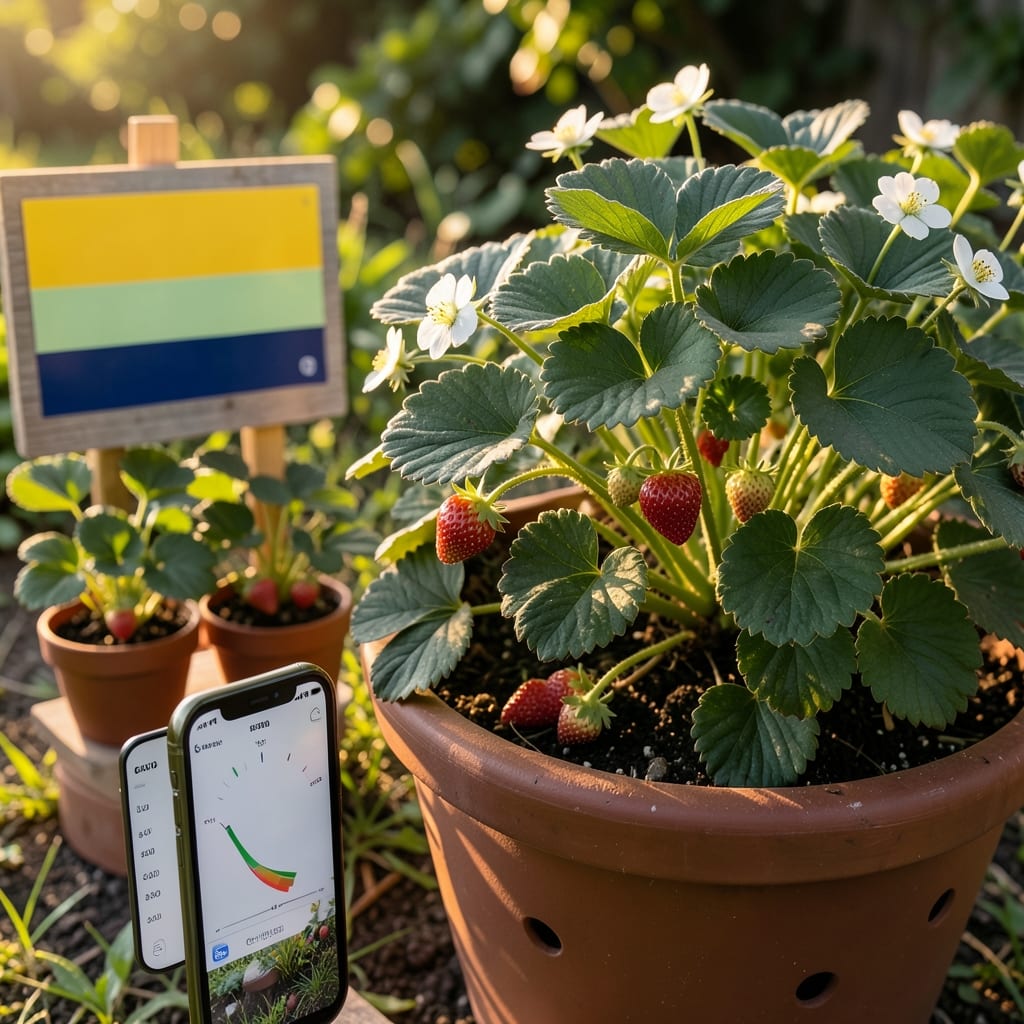
If your strawberry plants are producing tiny, bland berries—or worse, no fruit at all—you might be missing the one critical factor that turns good plants into harvest goldmines: how much light does a strawberry plant need? Strawberries are sun-worshippers, and 6 to 10 hours of direct sunlight daily is their sweet spot for flavorful, juicy fruit. But here’s the catch: too little light leads to leggy plants and poor yields, while too much can stress them out in hot climates. The key lies in balancing exposure based on your location and variety, whether you’re growing in USDA Zone 6a or a container on your patio.
I’ve seen firsthand how a few simple adjustments—like rotating plants or using shade cloth during peak summer—can transform a struggling patch into a berry bonanza. Let’s break down exactly how much light strawberries need, how to measure it in your space, and what to do when Mother Nature throws shade your way.
Ready to give your 🍓 strawberries the perfect light prescription? You’ll walk away knowing not just how much light they crave, but how to give it to them—no guesswork required.

Optimal sunlight requirements for strawberry plants: the exact hours needed by variety
Strawberries are sun-hungry plants, and their light needs vary slightly depending on the variety you’re growing. While most thrive with 6 to 10 hours of direct sunlight daily, everbearing and day-neutral types can tolerate slightly less—though never below 4 hours, or you’ll sacrifice fruit quality. The difference between 6 hours and 8 hours of sun can mean the difference between small, tart berries and large, sweet harvests. Understanding these nuances helps you place your plants in the perfect spot, whether in your backyard or a container on your patio.
Light isn’t just about duration—it’s also about intensity. Strawberries grown in USDA Zone 6a or hotter climates may need afternoon shade to prevent scorching, while cooler zones can handle full sun all day. The photosynthesis process in strawberry leaves peaks with bright, direct light, which is why berries grown in partial shade often lack flavor and color. Let’s break down the exact sunlight needs for each strawberry type so you can tailor your garden setup for success.
| Variety | Ideal Sunlight | Minimum Tolerance | Notes |
|---|---|---|---|
| June-bearing | 6–10 hours | 4 hours (reduced yield) | Best for full sun; produces most fruit in one season. |
| Everbearing | 5–8 hours | 3 hours (small fruit) | Tolerates partial shade; produces fruit in two seasons. |
| Day-neutral | 4–8 hours | 2 hours (poor fruit) | Most adaptable; fruits continuously in warm weather. |
The June-bearing varieties, like Jewel or Chandler, demand the most sunlight—6 to 10 hours—to produce their signature large, flavorful berries. These plants are high-yielding but require peak light conditions to avoid small, underdeveloped fruit. If you’re growing them in a container, place the pot in the sunniest spot you have, even if it means moving it as the sun shifts throughout the day.
For everbearing and day-neutral varieties, like Seascape or Albion, you’ve got a little more flexibility. They can handle 4 to 8 hours of sun and still produce fruit, though their berries may be smaller or less sweet if they’re stretched thin. These types are ideal for partial shade gardens or areas where full sun isn’t available for the entire day. However, even they benefit from morning sun (when temperatures are cooler) to prevent heat stress.
If you’re in a hot climate, like Zone 9 or 10, strawberries can suffer from sunburn if exposed to intense afternoon rays. In these areas, use a 30% shade cloth during the hottest hours (12 PM–4 PM) to protect the leaves while still allowing enough light for photosynthesis. I’ve seen this trick boost yields by 20–30% in my own garden during peak summer months.
Light also affects the color and sweetness of your strawberries. Berries grown in full sun develop deeper reds, richer flavors, and higher sugar content due to increased photosynthesis. In contrast, shady conditions lead to pale, watery fruit that lacks the vibrant taste we all love. For example, a Chandler strawberry grown with 8 hours of sun will taste significantly sweeter than one with only 4 hours, even if both plants survive.
Pro tip: If you’re unsure about your garden’s sunlight, use a sunlight tracker app (like SunCalc) to measure the exact hours of direct light your space receives. This is especially helpful if you’re planting near trees, fences, or buildings that cast moving shadows. Once you know your light footprint, you can adjust your strawberry placement—or even choose a variety that matches your available light.
Remember, strawberries are perennial plants, meaning they’ll produce fruit year after year if given the right conditions. Investing in the right amount of light now will pay off with bigger harvests and healthier plants for seasons to come. Whether you’re a beginner or a seasoned gardener, nailing the sunlight equation is the first step to growing strawberries that taste like they came straight from a farmers' market.
How to measure and adjust light exposure in your garden for maximum strawberry growth
Measuring sunlight in your garden isn’t just about eyeballing a sunny spot—it’s about precision. Strawberries thrive with 6 to 10 hours of direct sunlight daily, but without tools, you might be underestimating shade from trees, fences, or even neighboring plants. I use a sunlight tracker app (like Sun Surveyor) to map my garden’s light patterns for two weeks before planting. This helps me spot microclimates—like the north side of your house that gets only 4 hours of sun—where strawberries would struggle.
Start by marking a 12-inch grid in your potential planting area. Use a sunlight calculator to track how many hours each square gets full sun (direct rays), partial shade (dappled light), or deep shade (filtered light). For example, my everbearing variety needs at least 6 hours of full sun to produce fruit, while day-neutral types can tolerate slightly less but still crave 5+ hours daily. If your grid shows less than 5 hours, consider container growing near a south-facing window or balcony.
Apps like Sun Surveyor or Gardenate map your garden’s light exposure for 14 days, revealing hidden shade patterns from trees or structures.
🌿 Partial Shade: 3-5 hours
🌳 Deep Shade: <1 hour
Rotate containers or move in-ground plants to follow the sun’s arc. For example, place them east-west in rows to maximize exposure, especially in northern climates where sunlight is weaker.
☀️ Afternoon Sun: Risk of leaf scorch in hot zones
In USDA Zone 6a, where daylight is shorter, use reflective surfaces (like white walls or aluminum foil) to bounce light onto plants. Alternatively, add a grow light for 2-3 hours in the evening during fruiting season.
🪴 Containers: Move to sunniest spot daily
If your garden is naturally shady, don’t despair—shade cloths can be a lifesaver. A 30-50% shade cloth filters harsh afternoon sun while still allowing 60% of light through, perfect for everbearing varieties in hot climates. I’ve used it to protect my Albionel strawberries from leaf burn while keeping them productive. Just avoid blackout cloths—those block too much light and stunt growth.
Finally, monitor your strawberries’ leaf color as a quick health check. Deep green leaves mean they’re happy with their light, while yellowing or pale foliage signals they’re either over-shaded or stressed by too much heat. Adjust accordingly, and you’ll be rewarded with sweeter, larger berries all season long.