
How To
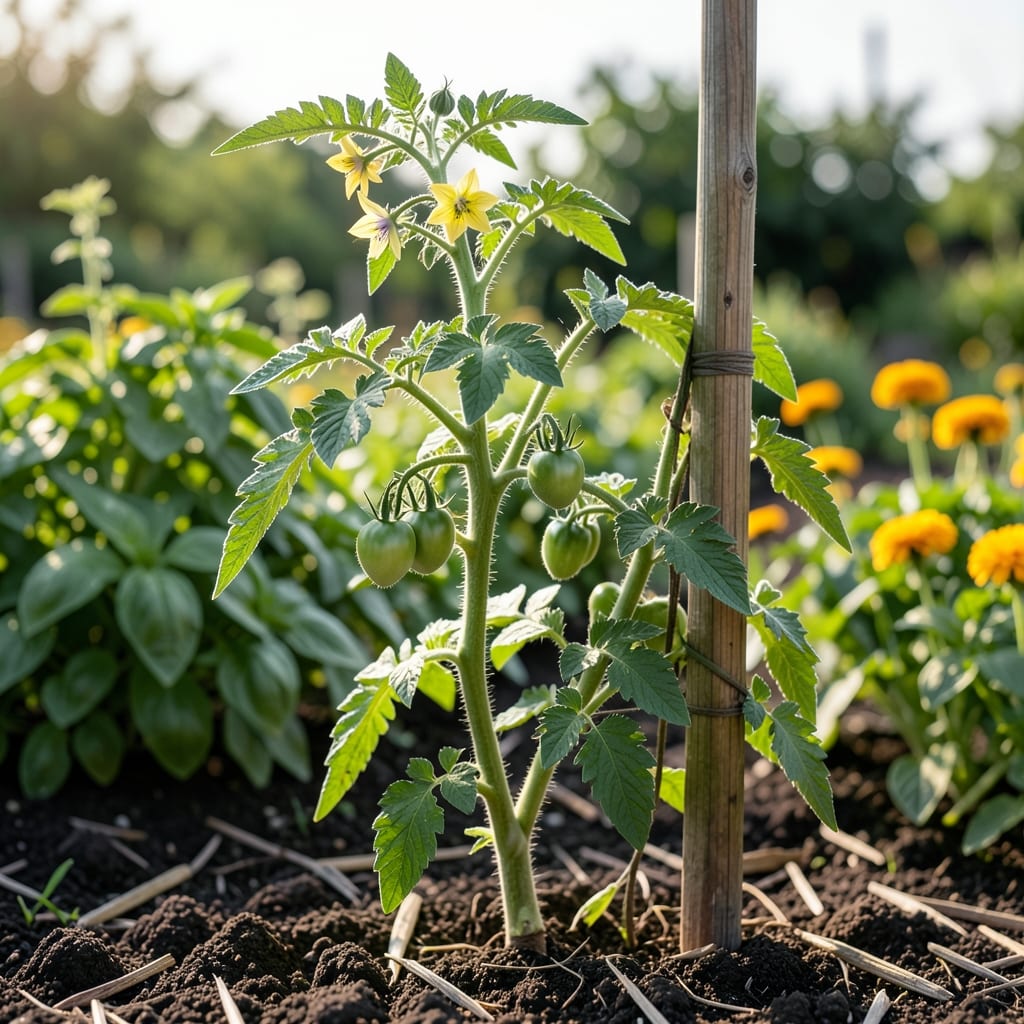
If your 🍅 tomato plants are struggling to thrive despite your best efforts, the issue might be simpler than you think—how much light does a tomato plant need could be making or breaking your harvest.
Tomatoes are sun-worshippers, and getting their light requirements right is the difference between a bountiful harvest and a sad, leggy plant. Whether you're growing them outdoors in zone 6a or bringing them indoors, understanding their needs at every stage is key to success.
From seedlings to fruiting, I'll break down exactly how many hours of sunlight your tomatoes need—and what happens if they get too little or too much. You'll also discover practical tips for supplementing light when nature falls short.
Let’s dive into the sunlight secrets that will transform your tomato game this season.

Tomato plant light requirements by growth stage: sun exposure breakdown
Tomatoes are sun-hungry plants, and their light needs change dramatically from seedling to fruiting stage. If you’ve ever wondered how much light does a tomato plant need, the answer depends entirely on where your plant is in its life cycle. For seedlings, even 4–6 hours of bright, indirect light is enough to prevent legginess, while mature plants crave 8+ hours of full sun to produce sweet, flavorful fruit.
The key is understanding these stages and adjusting sunlight exposure accordingly. Too little light leads to weak stems and poor fruiting, while too much can scorch leaves—especially in hot climates. Let’s break down the ideal light requirements for each phase of growth, so you can give your tomatoes exactly what they need to thrive.
🌱
During the seedling stage, I recommend using a grow light on a 14–16 hour cycle if natural light is limited. This mimics long summer days and prevents etiolation (those sad, stretched-out seedlings). Once transplanted, gradually increase sunlight exposure to avoid shocking the plants—think of it like a sunburn prevention plan for your tomatoes.
When your tomatoes hit the flowering stage, they become even more demanding. This is when 8+ hours of direct sunlight becomes non-negotiable. Without enough light, flowers won’t set fruit, or the fruit that does form will be small and bland. I’ve seen firsthand how indeterminate varieties (like 'Sungold') struggle in partial shade—they just keep growing vines but produce almost no tomatoes.
For fruiting plants, consistency is key. Aim for 10–12 hours of sunlight daily during peak summer months. If you’re in a region with short days (like northern climates), consider extending light with a LED grow light placed 6–12 inches above the plants. Just avoid placing lights too close—they can overheat and damage leaves.
🌞
One common mistake I see is assuming all tomatoes have the same light needs. Determinate varieties (like 'Roma') are slightly more forgiving—they’ll produce fruit even with 6–8 hours of sun, though yields will suffer. Meanwhile, indeterminate varieties (like 'Better Boy') demand full sun year-round to reach their full potential. If you’re growing in containers, rotate them every few days to ensure even light exposure on all sides.
Pro tip: Pay attention to your local climate. In hot, dry regions (like Arizona), afternoon shade can prevent leaf scorch. Use shade cloth (30–50%) during peak afternoon hours if temperatures regularly exceed 90°F (32°C). This doesn’t mean reducing total sunlight—just protecting your plants from heat stress while they’re still getting their full light dose.
🌿
To monitor your tomato plants’ light exposure, I suggest keeping a simple journal. Note the hours of sunlight they receive daily and observe any changes in growth or fruiting. Over time, you’ll develop an intuition for what works best in your specific microclimate. And remember: morning sun is your best friend—it’s cooler and less intense than afternoon rays, giving your plants a strong start to the day.
Signs your tomato plants aren’t getting enough (or too much) sunlight
If your tomato plants are looking leggy and weak, it’s often a clear sign they’re not getting enough sunlight. Leggy seedlings with sparse leaves and long stems are a classic symptom of light deficiency. These plants stretch toward any available light source, creating weak stems that can’t support the weight of tomatoes later on. I’ve seen this happen even in well-lit kitchens—natural light alone isn’t always enough, especially in winter months when days are shorter.
Another red flag is poor fruit set. If your tomato plants are flowering but not producing fruit—or if the flowers drop off before forming—this is a strong indicator of insufficient light. Tomatoes need plenty of sunlight to convert energy into fruit. In my garden, I’ve noticed that indeterminate varieties like 'Cherokee Purple' are particularly sensitive to low light, often producing fewer tomatoes when they don’t get their required 8+ hours of sun.
🌱
- White or yellow patches on leaves (similar to sunburn on human skin)
- Crispy or curled edges on leaves, especially in hot afternoons
- Premature fruit drop when temperatures exceed 90°F (32°C)
- Bleached or white stems (a sign of excessive heat exposure)
In regions with intense afternoon sun, use shade cloth (30-50%) to protect your plants without reducing total sunlight hours.
On the flip side, if your tomato plants are showing signs of sunburn, it’s time to take action. Look for white or yellow patches on leaves, especially on the upper surfaces. These areas often feel rough to the touch, almost like they’ve been scorched. I’ve seen this happen most frequently in determinate varieties like 'Celebrity' when grown in hot climates without proper shade. Another clue is when the fruit starts to blister or crack—this is often a response to rapid temperature swings caused by too much direct sunlight.
For indoor growers, watch for stunted growth or small, pale leaves. Even with grow lights, if your tomatoes aren’t getting enough light intensity, they’ll struggle to photosynthesize properly. I recommend using a light meter to ensure your setup provides at least 10,000-15,000 lux of light, which mimics full sunlight. Without this, your plants may look healthy but produce very few tomatoes.
🌿
One of the most frustrating signs is when your tomato plants start to drop flowers or fruit. This can happen for many reasons, but inconsistent light exposure is a common culprit. If your plants get morning sun but are shaded in the afternoon, they may not have enough energy to support fruit development. I’ve found that moving plants to a sunnier location or supplementing with a grow light for 2-3 extra hours can make a dramatic difference in fruit retention.
To diagnose light issues, I suggest doing a simple shadow test. Place a white piece of paper near your tomato plants at midday and mark the shadow. If the shadow is longer than the plant itself, your tomatoes aren’t getting enough direct sunlight. For container growers, rotate your pots every few days to ensure all sides get equal light exposure—this prevents one-sided growth and maximizes fruit production.
💡