
Light Requirements
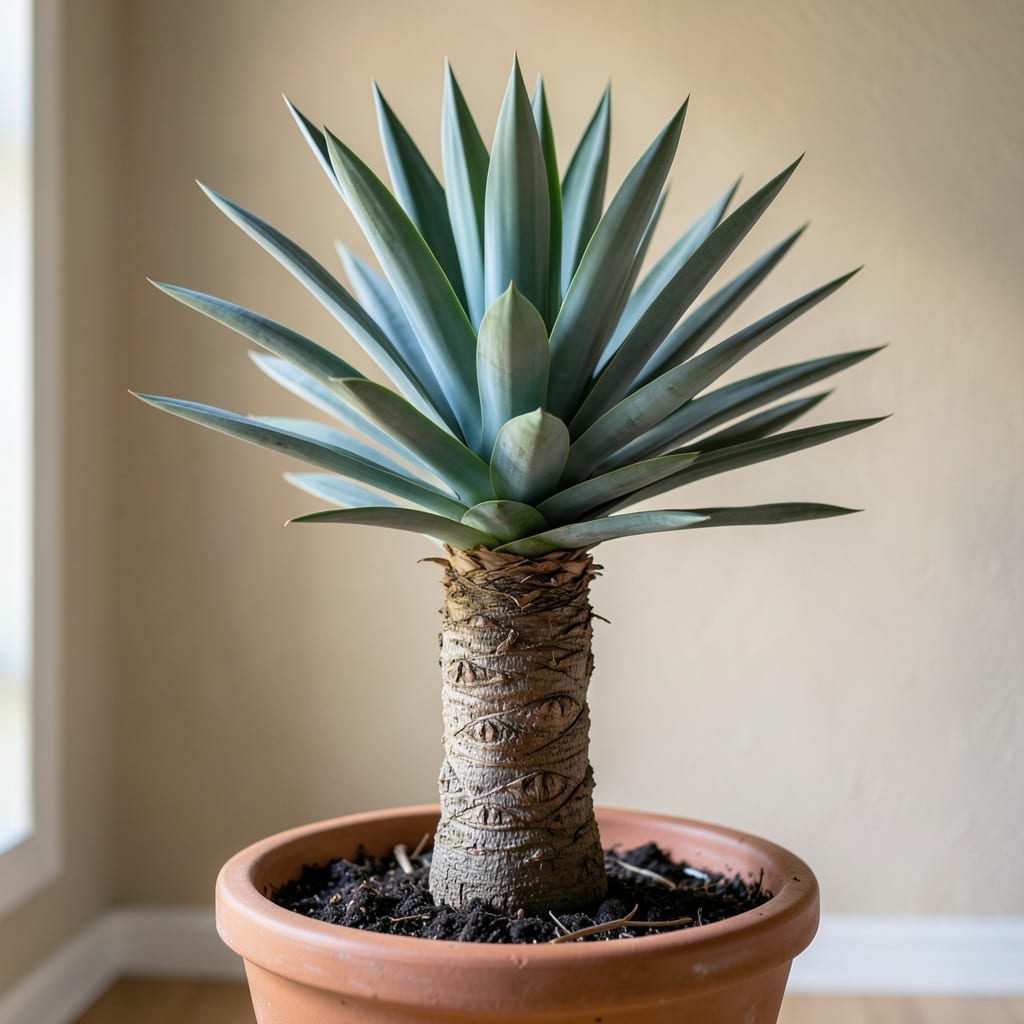
If you’re wondering how much light does a yucca plant need, the answer is simple: it needs plenty—at least 6+ hours of direct sunlight daily to stay happy and healthy. But many gardeners accidentally starve their yuccas by placing them in shady spots or indoors without proper light adjustments. I’ve seen firsthand how a little sunlight tweak can turn a struggling yucca into a bold, upright beauty. Whether you’re growing it outdoors in USDA Zone 6a or keeping it indoors, understanding the right light conditions is the key to avoiding leggy growth or yellowing leaves. Let’s break down exactly how much light your yucca needs—and how to give it the perfect glow. Outdoor yuccas love basking in full sun, but indoor plants often need a little help, like a south-facing window or grow lights. The good news? Even if your yucca has been struggling, it’s never too late to adjust its light exposure. I’ll show you how to spot the signs of too little (or too much) light and fix it fast. Ready to turn your yucca into the star of your garden or home? Let’s dive into the simple steps to give it the light it craves—and watch it grow stronger than ever.

Ideal sunlight requirements for yucca plants: 6+ hours of direct sun daily
Yuccas are desert plants at heart, so they thrive in bright, direct sunlight. The golden rule? At least 6 to 8 hours of full sun daily. This means placing them where they can soak up those rays—like a sunny patio, garden bed, or even a south-facing window indoors. Without enough light, yuccas become weak, stretch out unnaturally, and lose their vibrant color.
Not all yuccas are created equal, though. Some varieties, like Yucca elephantipes (the classic "spineless yucca"), handle full sun beautifully, while others, such as Yucca rostrata, might prefer a little afternoon shade in scorching climates. I’ve found that even a few hours of shade during peak summer heat can prevent leaf scorch, especially in hot, dry regions like Arizona or Texas.
Here’s a quick way to test your yucca’s light exposure: Use the shadow test. Place a stick in the ground where your yucca sits and mark the shadow every hour. If the shadow is shorter than the stick for at least 6 hours, your yucca is getting enough sun. If not, it’s time to relocate!
If your yucca’s leaves start turning yellow or brown at the tips, it might be getting too much direct sun, especially in hot climates. In these cases, provide afternoon shade with a sheer curtain or move it to a spot with morning sun only. On the flip side, if leaves look pale or stretched, it’s begging for more light. A simple fix? Rotate the pot weekly to ensure even exposure.
Yuccas also love bright, indirect light indoors, but south-facing windows are ideal. If your home lacks natural light, consider supplementing with a grow light for 12-14 hours daily. I’ve seen yuccas thrive under LED grow lights placed 12-18 inches above the plant—just mimic the sun’s intensity!
One common mistake? Assuming all sunlight is equal. Morning sun is gentler than harsh afternoon rays, so if you’re in a hot zone, prioritize east-facing spots. Yuccas are tough, but even they can get sunburned. Watch for crispy edges on leaves—that’s your cue to adjust!
Pro tip: Yuccas in containers need more frequent light checks because pots can overheat. If the soil feels scorching to the touch, the roots might be struggling. A quick fix? Move the pot to a shadier spot for a few hours or use a light-colored container to reflect heat.
Remember, yuccas are drought-tolerant but light-hungry. If you’re unsure whether your plant is getting enough, observe its growth pattern. Healthy yuccas grow upright with deep green, stiff leaves. If yours looks weak or wilty, it’s time to reassess its sunlight situation!
How to adjust light conditions for indoor vs. outdoor yucca plants
Yuccas are incredibly adaptable, but their light needs shift dramatically between indoor and outdoor environments. If your yucca is outdoors, it can handle full sun exposure—just be mindful of extreme heat. In hot climates like USDA Zone 9+, afternoon shade becomes essential to prevent leaf scorch. I’ve seen yuccas in desert landscapes thrive with morning sun and afternoon shade, especially in July and August when temperatures soar.
For indoor yuccas, the challenge is often the opposite: too little light. A south-facing window is ideal, but east or west windows can work if the plant gets at least 4-6 hours of bright light daily. If your home is north-facing or lacks natural light, a grow light becomes a game-changer. I recommend LED grow lights with a 12-hour cycle to mimic natural daylight. Place the light 12-18 inches above the plant for best results.
Indoor Yucca Light Solutions
- Place near south-facing windows
- Use grow lights 12-14 hrs/day
- Rotate pot weekly for even growth
- Choose light-colored containers to reflect heat
- Keep in dim corners (leads to leggy growth)
- Use incandescent bulbs (emit too much heat)
- Ignore yellowing leaves (sign of insufficient light)
Outdoor Yucca Light Tips
- Provide morning sun + afternoon shade in hot zones
- Use mulch to regulate soil temperature
- Water deeply but infrequently (drought-tolerant)
- Plant in well-draining soil to prevent root rot
- Expose to harsh midday sun without acclimation
- Plant in low-light garden beds (stunts growth)
- Overwater when leaves show sunburn (stresses roots)
Seasonal adjustments are key for outdoor yuccas. In spring and fall, when days are shorter, supplement with a reflective surface like a white wall or mirror to bounce extra light onto the plant. During winter, if your yucca is in a cooler climate (like Zone 6a), bring it indoors near a bright window to prevent dormancy-related stress. I’ve noticed that yuccas in containers handle seasonal moves better than those planted in the ground.
If you’re transitioning a yucca from indoors to outdoors, do it gradually over 7-10 days to avoid shock. Start with 2-3 hours of morning sun and slowly increase exposure. Conversely, when bringing an outdoor yucca inside for winter, place it in the brightest spot available immediately to prevent leaf drop. The goal? Keep your yucca’s light conditions as consistent as possible—sudden changes stress even the hardiest plants.
Pro tip: Group yuccas with succulents or cacti in your garden—they share similar light and water needs. This creates a microclimate that retains heat and light, benefiting all plants. Just avoid pairing them with water-loving plants like hostas, which thrive in shade and would drown your yucca’s roots.
Remember, yuccas are forgiving but not infinite in their adaptability. If you’ve had a yucca struggle with light before, don’t give up—small adjustments can make a world of difference. Start with the basics: 6+ hours of sun outdoors or a south-facing window indoors, and watch your yucca rebound with stunning, upright growth.