
Light Requirements
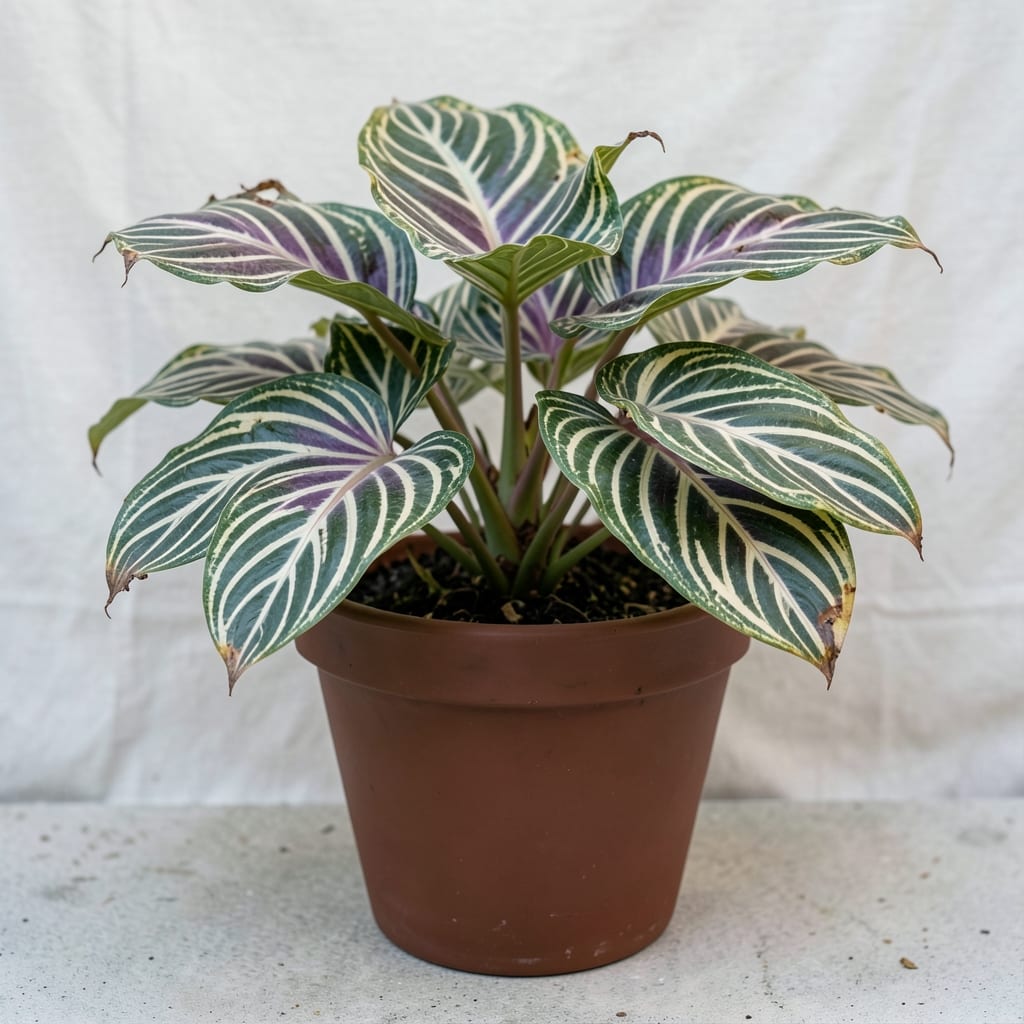
Zebra plant light requirements: the ideal bright indirect sunlight balance
Your zebra plant (Aphelandra squarrosa) thrives in bright indirect sunlight, but striking the perfect balance is key to preventing those dreaded brown leaf tips or faded variegation. Unlike sun-loving succulents, this tropical beauty needs filtered light—think dappled shade under a canopy or a spot near a window with sheer curtains. Too little light dulls its striking foliage, while too much causes stress. Let’s break down the ideal light conditions to keep your zebra plant happy and vibrant.
The perfect light spectrum for zebra plants mimics their natural habitat in the understory of South American rainforests. This means 4-6 hours of bright, indirect light daily, with temperatures between 65-80°F. If your plant starts stretching toward the light (a sign of etiolation), it’s not getting enough. Conversely, crispy edges or bleached patches mean it’s getting too much direct sun. Let’s dive into the specifics to avoid these common pitfalls.
🌿 Visual Element: Summary Table 🌿
| Light Requirement | Specification |
|---|---|
| Daily Light Hours | 4-6 hours of bright indirect light |
| Ideal Light Intensity | 40-60% sunlight (partial shade) |
| Best Window Placement | 1-3 feet from east or west-facing windows |
| Direct Sun Tolerance | Morning sun only; avoid afternoon direct rays |
| Artificial Light Alternative | LED grow lights (5000-6500K, 6-8 inches away) |
Positioning your zebra plant correctly is half the battle. Place it 1-3 feet away from an east-facing window for gentle morning sunlight, or a west-facing window for afternoon light without the harsh midday rays. If you’re using a south-facing window, create distance or use a sheer curtain to diffuse the light. Remember, zebra plants are not fans of harsh afternoon sun, which can lead to leaf scorch. Rotate the pot every few weeks to ensure even growth and prevent the plant from leaning toward one light source.
For indoor gardeners, grow lights are a game-changer. A full-spectrum LED grow light with a color temperature of 5000-6500K (cool white) mimics natural daylight. Position the light 6-8 inches above the plant and provide 12-14 hours of light daily. If you notice the leaves turning pale or stretching excessively, it’s time to adjust the light distance or duration. Too close? The leaves will burn. Too far? The plant will become leggy.
Seasonal adjustments are crucial, especially if you’re growing your zebra plant outdoors in USDA Zone 6 or warmer. During summer months, provide afternoon shade with a lightweight shade cloth (30-50%) to protect the leaves from intense sunlight. In winter, supplement natural light with a grow lamp to maintain the 4-6 hours of daily light your zebra plant craves. This consistency prevents the plant from going dormant or losing its vibrant variegation.
Pro tip: Pay attention to the color of your zebra plant’s leaves. Healthy foliage should display bold white stripes against deep green. If the stripes fade or disappear, it’s a clear sign of insufficient light. On the flip side, if the leaves develop brown patches or crispy edges, it’s getting too much direct sunlight. Addressing these issues early can save your plant from long-term damage and keep it thriving for years.
🌱 Key Takeaway: Your zebra plant’s light needs are like Goldilocks—not too much, not too little, but just right. Aim for bright indirect light, adjust seasonally, and don’t hesitate to use grow lights if natural light falls short. With the right lighting, your zebra plant will reward you with lush, variegated foliage that’s the envy of every plant lover.
Next, let’s tackle those tricky signs of light stress and how to fix them before they become permanent problems. You’ll learn to spot the early warnings and take action to keep your zebra plant looking its best.
Zebra plant light requirements: the ideal bright indirect sunlight balance
The zebra plant (Aphelandra squarrosa) thrives in bright indirect sunlight, mimicking its native tropical understory habitat. Too much direct sun causes leaf scorch, while too little dims its stunning variegated patterns. Aim for 4-6 hours of filtered light daily, balancing intensity and duration to keep those signature zebra-striped leaves vibrant and healthy.
This tropical beauty hates harsh afternoon rays but craves morning sunlight. Position your zebra plant within 3 feet of an east or west-facing window where it gets gentle morning warmth without the intense midday glare. South-facing windows work only if you add a sheer curtain to diffuse the light—never place it in direct southern sun.
🌱 Zebra Plant Light Requirements Summary
| Requirement | Specification |
|---|---|
| Light Type | Bright indirect |
| Ideal Hours | 4-6 hours daily |
| Window Placement | 1-3 ft from east/west window |
| Direct Sun Tolerance | Morning only (max 2 hours) |
| Low-Light Signs | Leggy growth, faded stripes |
| Over-Sun Signs | Brown leaf tips, crispy edges |
For indoor growers, grow lights are a game-changer when natural light falls short. Use a full-spectrum LED 6-12 inches above the plant for 12-14 hours daily. Avoid cool white bulbs—they lack the red and blue spectrums zebra plants need for vibrant foliage. Rotate your plant weekly to prevent uneven growth toward the light source.
Outdoor zebra plants in USDA Zone 10-11 can handle partial shade under trees, but even there, they need dappled sunlight. If you're in cooler zones, bring potted zebra plants indoors before temps drop below 60°F—cold drafts combined with poor light will stress the plant and dull its colors.
Pro tip: Test your light conditions by observing leaf color. Healthy zebra plants have bold yellow-and-green stripes with deep green undersides. If stripes fade to pale green, it's time to move closer to a brighter spot. If leaves crisp at the edges, immediately filter the light with a sheer curtain or relocate to indirect light.
Remember, zebra plants are light-hungry but sun-shy. Think of them as tropical divas who demand attention but can't handle the spotlight. With the right balance, you'll reward yourself with lush, striped foliage that's the envy of every plant lover's collection. 🌿