
Plants
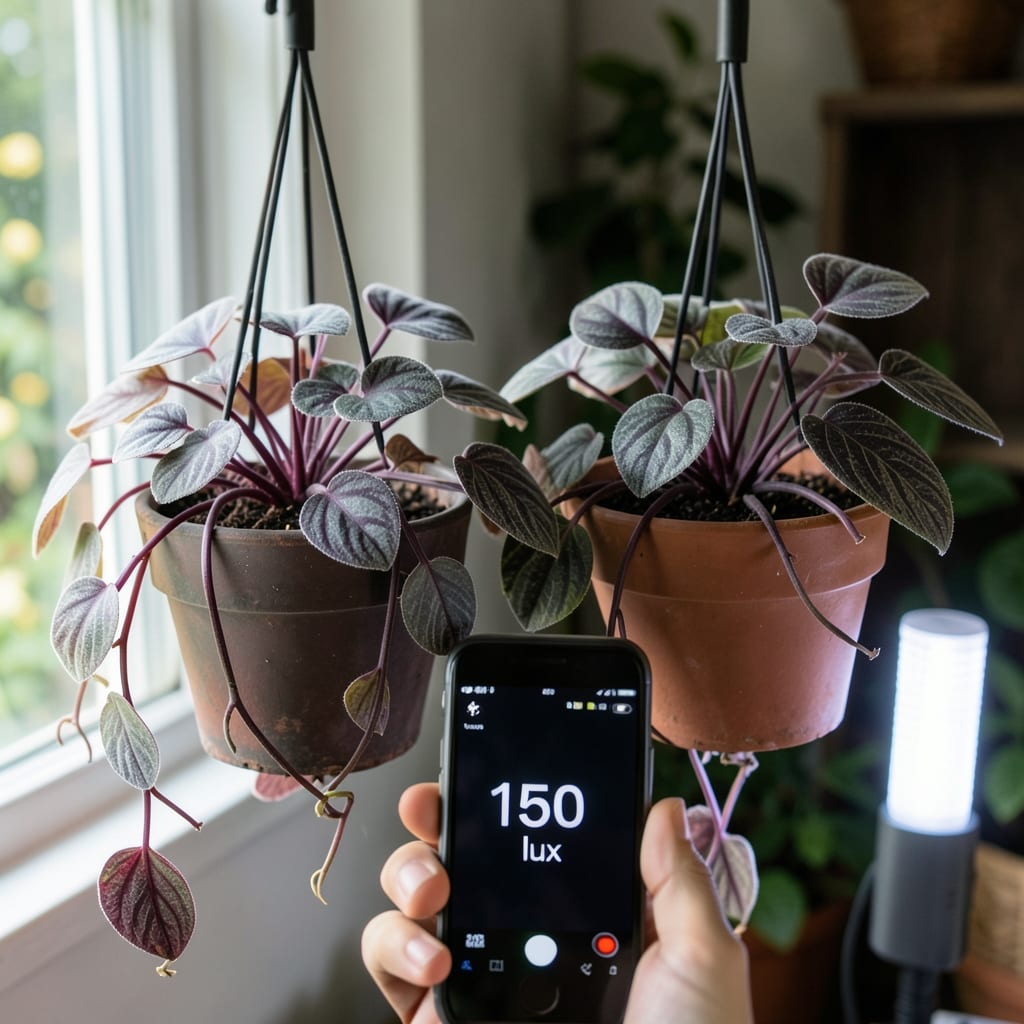
Unlike sun-loving plants, inch plants prefer bright indirect light—think of it as the Goldilocks of lighting: not too harsh, not too dim. Too much direct sun, and you’ll see brown patches; too little, and the leaves will stretch out weakly. The key is finding that perfect balance for healthy growth.
Whether you’re growing yours indoors or outdoors, I’ll break down exactly how much light your inch plant needs—plus how to spot signs of over- or under-exposure. You’ll learn the best window spots, artificial lighting hacks, and even how seasonal changes affect its needs.
Ready to transform your inch plant from struggling to stunning? Let’s get started with the ideal brightness zones that’ll make all the difference.

Optimal light requirements for inch plant growth by growth stage
Your inch plant (Selaginella kraussiana) thrives in bright indirect light, but its needs shift dramatically from juvenile to mature stages. Young plants crave gentle filtered sunlight to prevent leaf burn, while mature specimens can handle slightly more intensity—up to 4-6 hours of morning sun. Understanding these stages helps you avoid common pitfalls like bleached leaves or stunted growth.
Inch plants are shade-tolerant but not shade-loving—they need enough light to maintain their signature vibrant green foliage and compact growth habit. Too little light leads to leggy, sparse stems, while too much causes crispy brown edges. The key? Mimicking their natural understory habitat with dappled light conditions.
🌱 Did You Know? Inch plants use a process called crassulacean acid metabolism (CAM) to store water and photosynthesize efficiently in low-light conditions. This makes them uniquely adaptable but still dependent on consistent light exposure for optimal growth.
| Growth Stage | Light Requirements | Daily Exposure | Leaf Color Indicators |
|---|---|---|---|
| Juvenile (0-6 months) | Bright indirect light | 2-4 hours | Deep green, glossy |
| Mature (6+ months) | Partial shade to morning sun | 4-6 hours | Rich green, slight variegation |
| Variegated Cultivars | Bright indirect light | 3-5 hours | Cream/yellow patterns |
| Winter Dormancy | Low light tolerance | 1-2 hours (if possible) | Dull green, slower growth |
For indoor growers, position your inch plant within 3 feet of an east or west-facing window to capture gentle morning sunlight without harsh afternoon rays. South-facing windows work too, but use a sheer curtain to diffuse intensity. Avoid north-facing windows—they provide too little light for long-term health.
Outdoor inch plants perform best under tree canopies or lattice structures that filter sunlight. In USDA Zone 6a, they thrive in spring and fall when temperatures moderate. During summer heatwaves, provide afternoon shade to prevent leaf scorch.
Pro tip: Rotate your plant quarter-turn weekly to ensure even light exposure. This prevents one-sided growth and keeps foliage symmetrical and vibrant. Watch for stretched stems—a classic sign of insufficient light—then move the plant closer to its light source.
Variegated inch plants have higher light demands than solid green varieties. Their cream or yellow patterns require more energy to produce, so place them slightly brighter than their green counterparts. If the variegation fades to all green, it’s a cry for more light!
In low-light conditions, inch plants may enter a dormant-like state, slowing growth and reducing leaf production. Supplement with a 12-hour grow light (LED or fluorescent) if natural light falls below 3 hours daily. Aim for 5000-6500K color temperature to mimic natural sunlight.
Remember: Consistency matters more than intensity. Inch plants adapt slowly to sudden light changes, so transition them gradually when moving between indoor and outdoor environments. Patience pays off with thicker foliage and healthier propagation.
Signs your inch plant has too much or too little light (with fixes)
Your inch plant 🌱 communicates its light needs through subtle (and not-so-subtle) visual cues. Ignoring these signs often leads to permanent damage, but catching them early lets you adjust before it’s too late. The most common red flags? Brown crispy edges from too much sun, or stretched, pale stems when it’s starving for light.
Start by checking your plant’s leaf color and texture. Healthy inch plants boast deep, glossy green leaves with a slight sheen. If you spot yellowing or brown patches, it’s likely a light issue—either over-exposure or underwatering stress triggered by insufficient light. Variegated varieties are especially sensitive; their cream or yellow patterns will dull or disappear entirely if conditions are off.
🚨 Warning: These symptoms mean your inch plant is in distress—act fast to prevent irreversible damage.
- Brown crispy edges on leaves → Move to indirect light immediately; avoid direct sun.
- Bleached or white patches → Filter light with a sheer curtain or relocate to east-facing window.
- Drooping leaves → Increase humidity (mist leaves daily) and reduce afternoon sun exposure.
🌡️ Pro Tip: If your plant shows these signs in summer, provide afternoon shade with a lattice or umbrella.
On the flip side, underlighting causes its own set of problems. If your inch plant’s stems stretch excessively (a condition called etiolation), it’s reaching for more light. The leaves may also appear smaller and paler than usual, with reduced variegation in patterned varieties. This is your plant’s way of saying, “I need more energy to grow!”
To fix underlighting, start by relocating your plant to a brighter spot—like an east or west window—or supplement with a grow light. For indoor setups, a 12-hour LED grow light (5000-6500K) placed 6-12 inches above the plant can mimic natural sunlight. Rotate the plant quarter-turn weekly to prevent lopsided growth from uneven light exposure.
Seasonal changes also impact your inch plant’s light needs. In winter, when daylight is scarce, reduce watering slightly (since the plant grows slower) but keep it near a bright window. If natural light drops below 3 hours daily, extend exposure with a timed grow light to maintain health. Conversely, in summer, watch for heat stress—move your plant to a shadier spot if leaves start wilting or turning yellow.
One often-overlooked fix? Clean your leaves regularly with a damp cloth. Dust blocks 20% of light absorption, forcing your plant to work harder for the same results. Pair this with consistent watering (keep soil moist but not soggy) and your inch plant will bounce back in 2-4 weeks with proper light adjustments.
Remember: Prevention is easier than repair. Monitor your plant’s light exposure daily, especially during transitions between seasons. A little vigilance now saves hours of troubleshooting later—and keeps your inch plant lush, vibrant, and thriving year-round. 🌿