
Plants
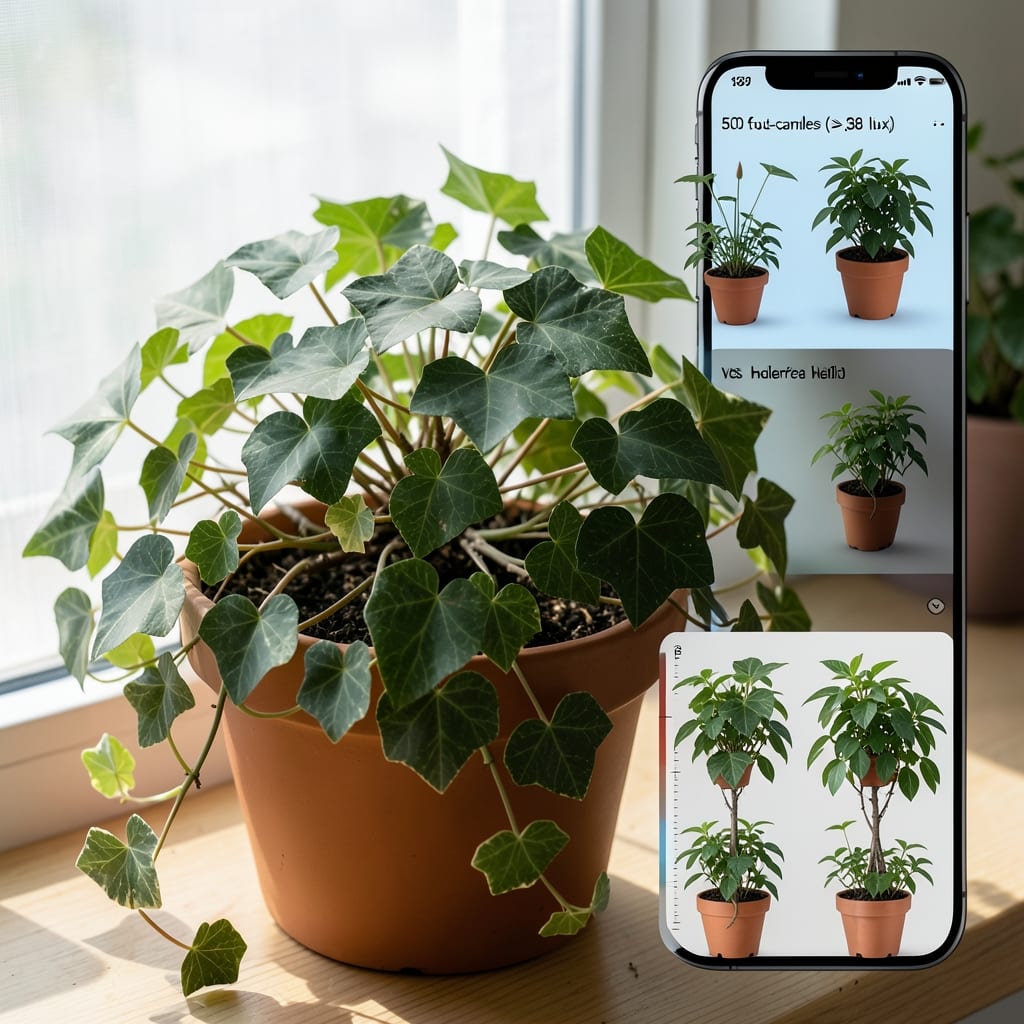
If your 🌿 ivy plant looks weak or leggy, you’re probably asking yourself how much light does an ivy plant need to thrive—and why it’s not responding to your care. The answer isn’t as simple as "more light equals better growth," because ivy is one of those plants that can handle a surprising range of conditions, but only when you get the balance right.
Too much direct sun? Watch as those lush green leaves turn crispy and brown at the edges. Too little light? Your ivy will stretch out like a sleepy cat, reaching desperately for any scrap of brightness it can find. The key is giving it just the right amount of bright indirect light, whether you’re growing it indoors near a window or outdoors in a shady corner of your garden.
What makes this even trickier is that ivy isn’t a one-size-fits-all plant—different varieties (like English ivy or Swedish ivy) have slightly different preferences. But don’t worry: I’ll break down exactly how to spot the signs of over- or underlighting, where to place your ivy for optimal growth, and even how to supplement natural light if your space falls short.
By the end of this guide, you’ll know exactly how to create the perfect light conditions for your ivy—so you can finally enjoy that vibrant, healthy 🌿 greenery you’ve been dreaming of. Let’s get started!

Ivy plant light requirements: the ideal brightness spectrum for healthy growth
Ivy thrives in partial shade but can adapt to a range of light conditions—if you know the sweet spot for its growth. Most varieties, like English ivy and Swedish ivy, prefer bright indirect light, which mimics their natural habitat under forest canopies. This means they need enough light to photosynthesize but not the harsh, direct rays that can scorch their delicate leaves.
The ideal light range for ivy falls between 2,000 to 10,000 lux—think of it as the brightness of a cloudy day or a spot near a window with sheer curtains. Too little light (below 2,000 lux) leads to leggy, sparse growth, while too much direct sun (above 30,000 lux) causes browning or crispy edges. The key is balance, especially for indoor plants where light conditions can be tricky to gauge.
Outdoor ivy, on the other hand, can handle morning sun or dappled shade, making it perfect for patios, trellises, or the base of trees. In hotter climates, afternoon sun can be too intense, so providing afternoon shade with a sheer curtain or lattice can work wonders. For indoor ivy, rotate your plant every few weeks to ensure even growth and prevent it from leaning toward the light source.
Here’s how different ivy varieties handle light, so you can tailor care to your specific plant:
| Variety | Ideal Light | Tolerance | Growth Notes |
|---|---|---|---|
| English Ivy | Bright indirect light | Low to moderate | Fast-growing; needs pruning |
| Swedish Ivy | Partial shade to bright indirect | Moderate | Compact growth; great for hanging baskets |
| Hawaiian Ivy | Bright indirect to partial sun | High | Tolerates more sun; vibrant foliage |
| Boston Ivy | Full sun to partial shade | Very high | Best for outdoor climbing; drought-tolerant |
Seasonal changes also play a role in your ivy’s light needs. In spring and fall, when sunlight is softer, you can place your ivy in slightly sunnier spots. But during summer, when the sun is intense, move it to a shadier location or use a sheer curtain to filter the light. For indoor ivy, watch for signs of light deprivation like pale leaves or elongated stems—this is your plant’s way of saying, “I need more light!”
If you’re growing ivy outdoors, consider its climbing habits. Ivy thrives when it has something to cling to, like a trellis, fence, or wall. When climbing, it naturally seeks out light, so positioning it near a south- or west-facing wall can encourage healthier growth. Just avoid placing it in full sun for extended periods, especially in hot afternoons, to prevent leaf burn.
For potted ivy, rotate the pot every 2-3 weeks to ensure all sides get equal light exposure. This prevents the plant from becoming lopsided and encourages bushier growth. If you notice new growth leaning toward one side, it’s a clear sign your ivy is reaching for light—time to adjust its position or supplement with a grow light.
One common mistake gardeners make is assuming all ivy varieties have the same light needs. While they’re generally adaptable, Hawaiian ivy, for example, can tolerate more direct sun than English ivy. Always check the specific variety you’re growing to fine-tune its light conditions. With the right balance, your ivy will reward you with lush, vibrant foliage all year round.
Pro tip: If you’re unsure about your space’s light levels, use a light meter app (many are free!) to measure lux levels. Aim for that 2,000-10,000 lux range for optimal ivy health. Your plant will thank you with thriving growth and fewer care headaches! 🌿
Signs your ivy isn’t getting the right light (and how to fix it fast)
Your ivy might be silently screaming for help if you’ve been ignoring its subtle light signals. The most common mistake? Assuming yellow leaves mean overwatering or brown tips are just natural aging. In reality, these are often light stress warnings your plant is sending. For example, pale, stretched leaves (called etiolation) mean your ivy is begging for more brightness, while crispy, bleached patches signal it’s getting scorched by too much direct sun.
I’ve seen gardeners overcorrect by moving their ivy to a sunnier spot—only to watch it wilt within days. The key is understanding the specific symptoms and matching them to the right fix. Let’s break down the most common red flags and how to rescue your plant before it’s too late.
Leggy growth—where your ivy’s stems stretch 3x longer than normal—is another dead giveaway. This happens when your plant reaches for light like a toddler grabbing for a cookie jar. The fix? Rotate your pot quarter-turn weekly to encourage even growth, then supplement with a grow light 12 inches away for 12–14 hours daily if natural light is lacking.
Here’s a quick symptom-to-solution cheat sheet: Yellow lower leaves = too much water or low light (check soil moisture first). Brown edges = underwatering or sunburn (feel the leaves—crispy = sun damage). No new growth = light deprivation (move to a brighter spot immediately).
Pro tip: Test your space’s light intensity with the shadow test. Hold a white piece of paper near your ivy at noon. If the shadow is sharper than a pencil line, the light is too harsh. If it’s fuzzy or nonexistent, your ivy needs more brightness. Aim for a soft, diffused shadow—that’s ivy’s sweet spot.
If you’ve ruled out pests, soil issues, and watering problems but your ivy still looks unhappy, light is almost always the culprit. The good news? Ivy is forgiving—once you adjust its lighting, it rebounds faster than you’d expect. Start with small tweaks, monitor for 2–3 weeks, and don’t be afraid to experiment until you find that perfect balance.