
Plants
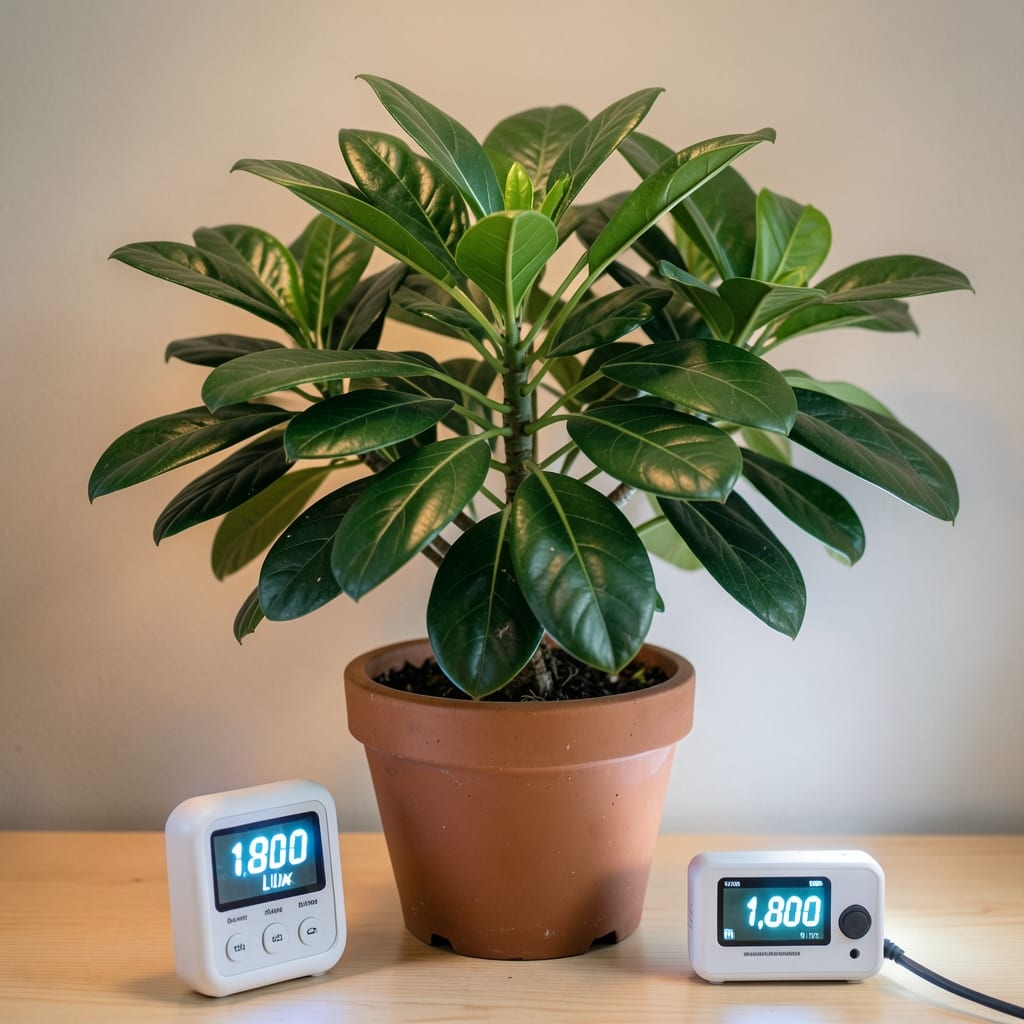
If your Umbrella Plant 🌿 looks tired with droopy leaves or faded colors, you’re probably missing the mark on its light needs. This striking plant thrives in 4-6 hours of bright, indirect sunlight daily, but too much direct sun or too little light can quickly turn it into a shadow of its vibrant self.
The key is finding that sweet spot—like a morning coffee that’s just right, not too strong or weak. Too little light, and your plant stretches awkwardly toward the window, while too much can scorch those gorgeous bracts. I’ll show you exactly where to place it, whether you’re working with a sunny windowsill or a dim corner.
Don’t worry if your space isn’t perfect—there are smart ways to supplement natural light, like using grow lights or adjusting seasonal setups. By the end, you’ll know exactly how to keep your Umbrella Plant 🌿 looking lush and full of life, no matter where you live.
Let’s dive into the simple secrets to giving your plant the ideal lighting it craves—so you can enjoy its bold colors all year round.

Optimal light requirements for umbrella plant growth: the 4-6 hour rule explained
Your Umbrella Plant (Aphelandra squarrosa) needs bright, indirect sunlight for 4-6 hours daily to maintain its vibrant foliage and stunning bracts. This tropical beauty thrives in conditions similar to its native understory—think dappled sunlight filtering through trees, not harsh midday rays. The key is replicating this natural environment in your home or garden.
Direct sunlight can scorch leaves, causing brown patches, while too little light leads to leggy growth and faded colors. I’ve found that placing my plant near an east-facing window gives it perfect morning light without the intense afternoon sun. If you’re growing outdoors, a spot with partial shade—like under a patio cover—works beautifully.
The 4-6 hour rule isn’t just about duration—it’s also about light quality. Your plant needs moderate to high light intensity, but never harsh or concentrated rays. Think of it like Goldilocks: the light should be just right—not too dim, not too bright.
Seasonal adjustments are crucial. In summer, when sunlight is strongest, your plant may need afternoon shade to prevent leaf burn. In winter, when natural light dims, you might need to supplement with grow lights or rotate the plant to ensure even exposure on all sides.
| Light Requirement | Specification | Ideal Conditions |
|---|---|---|
| Daily Light Duration | 4-6 hours | Morning sun + afternoon shade |
| Light Intensity | Bright indirect | East/west windows or filtered sunlight |
| Direct Sun Tolerance | Low (max 1-2 hours) | Afternoon shade in summer |
| Low-Light Tolerance | Moderate (survives 2-3 hours) | Supplement with grow lights |
| Seasonal Adjustments | Flexible | Rotate plant for even light; use grow lights in winter |
For indoor growers, east-facing windows are ideal because they provide gentle morning light without the harsh afternoon heat. If you only have a south-facing window, place your plant 3-5 feet away to diffuse the intensity. North-facing windows work too, but you’ll need to supplement with artificial grow lights for 6-8 hours daily.
Outdoor gardeners can create perfect conditions by placing their Umbrella Plant under partial shade structures, like pergolas or lattice screens. These provide just enough filtered light while protecting leaves from direct sun. In containers, rotate the pot every few weeks to ensure all sides get equal exposure, preventing lopsided growth.
Pro tip: Watch your plant’s leaves for subtle clues. If the undersides of leaves are darker than the tops, it’s getting too much light. If the leaves stretch toward the window, it needs more brightness. These visual cues are your plant’s way of communicating its needs—listen closely!
Remember, consistency is key. Sudden changes in light exposure can stress your Umbrella Plant, causing it to drop leaves or fail to bloom. Gradual adjustments—like moving it closer to a window over a week—help it adapt smoothly. With the right light balance, your plant will reward you with bold, fiery bracts and lush foliage all season long.
Now that you know the ideal light conditions, let’s talk about what happens when things go wrong—and how to fix it. Stay tuned for the next section on spotting light-related stress in your plant.
Optimal light requirements for umbrella plant growth: the 4-6 hour rule explained
The Aphelandra squarrosa, or umbrella plant, thrives in bright indirect sunlight for 4-6 hours daily. This means positioning it where it gets morning sun (before 10 AM) and afternoon shade. Direct midday sun can scorch its delicate bracts, while too little light causes leggy growth and faded colors.
Think of it like a sunbathing session: just enough to energize but not enough to burn. East-facing windows are ideal because they provide gentle morning light without harsh afternoon rays. If you only have south-facing windows, use a sheer curtain to diffuse the intensity.
For outdoor growing, place your umbrella plant in a spot with dappled shade—like under a tree canopy or on a porch with partial sun. Avoid full sun exposure, especially during peak summer months when UV rays are strongest.
| Light Condition | Ideal Duration | Best Location |
|---|---|---|
| Bright Indirect | 4-6 hours | East-facing window or dappled shade |
| Low Light | Survives but struggles | North-facing window or interior room |
| Direct Sun | Avoid | South-facing window without shade |
Seasonal adjustments are key. In spring and fall, your umbrella plant can handle slightly more direct light, but during summer, move it back from windows to prevent leaf burn. If you notice yellowing leaves or brown tips, it’s a sign of too much sun—rotate the pot or add a sheer curtain immediately.
Indoor grow lights can supplement natural light if your space is dim. Use a full-spectrum LED bulb 6-12 inches above the plant for 12-14 hours daily. This mimics natural sunlight and keeps your plant thriving year-round, especially in winter months when daylight is scarce.
Remember, the goal is to keep your umbrella plant happy and healthy with consistent, gentle light. With the right setup, you’ll enjoy its vibrant foliage and striking bracts for years to come. 🌿