
Light Requirements
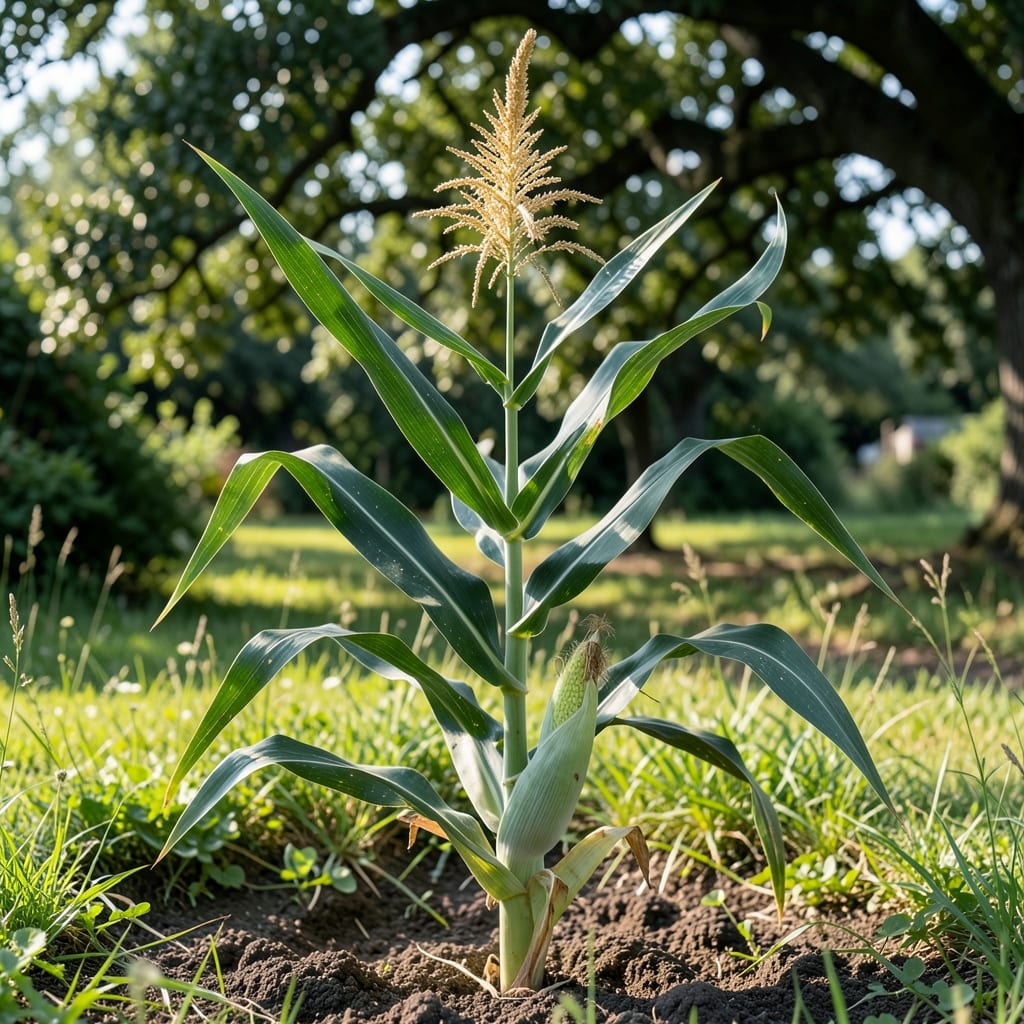
If your 🌽 corn plants are struggling to grow tall and strong, you might be missing the mark on their light needs. Corn isn’t just another houseplant—it craves bright, direct sunlight like no other, and getting it right is the difference between a thriving crop and disappointing stalks.
Picture this: your corn plants standing in a sunny garden spot, soaking up 6 to 8 hours of full sun daily. That’s their sweet spot—where they’ll develop those plump ears and sturdy stalks you’re dreaming of. But here’s the catch: too little light, and you’ll end up with weak, leggy plants that just can’t produce. Too much? You risk scorching those tender leaves before they even get a chance to shine.
I’ve seen gardeners make this mistake time and again—assuming "a lot of light" means "any old light." But corn is picky, and understanding how much light it needs is the first step to growing a bountiful harvest. Let’s break down exactly what your corn plants crave and how to give them the perfect light conditions, whether you’re planting in the ground or coaxing them along indoors.
From spotting signs of light stress to adjusting for cloudy days or indoor setups, I’ll show you how to keep your corn happy and healthy. Ready to turn those sad stalks into a golden harvest? Let’s get started.


Optimal light requirements for corn plants: bright indirect sunlight explained
Corn plants are sun worshippers, and their light needs are far from subtle. To thrive, they demand 6 to 8 hours of direct sunlight daily, with 8+ hours being ideal for maximum ear development. This isn’t just about keeping leaves green—it’s about fueling the energy corn needs to produce those sweet, plump kernels you’re craving.
Think of your corn’s light needs like a golden hour for growth: without it, the plant will stretch toward any available light, becoming leggy and weak. Too much intense sunlight, especially in hot climates, can scorch those tender leaves before they’ve had a chance to mature. The key is finding that sweet spot where your corn gets enough light to grow strong but isn’t fried by excessive heat.
In outdoor gardens, this means planting corn in the sunniest spot possible, typically near a south-facing fence or wall in the Northern Hemisphere. If you’re growing corn in containers or raised beds, rotate them every few days to ensure even light exposure on all sides. This prevents one side from becoming overly stretched or shaded.
For indoor growers, replicating these conditions is trickier but doable. A south-facing window with supplemental grow lights can work, but you’ll need to extend the light cycle to 12 to 14 hours per day to mimic the long daylight hours corn craves outdoors. Without this, your indoor corn will struggle to develop properly, leading to smaller ears or no ears at all.
Corn also has a seasonal light sensitivity. During spring and summer, when days are longer, your corn will naturally get more light. But in fall or cloudy regions, you might need to supplement with artificial lighting to maintain those critical 6 to 8 hours. This is especially important in USDA Zones 4-6, where shorter days can stunt growth.
Here’s a pro tip: Monitor your corn’s growth in the first few weeks after planting. If the leaves are pale or yellowing, it’s a sign of insufficient light. If they’re crispy or brown at the edges, you’re likely dealing with too much direct sunlight, especially during peak afternoon hours. Adjusting the planting location or providing afternoon shade can help.
| Light Requirement | Ideal Conditions | Signs of Issue |
|---|---|---|
| Minimum Daily Sunlight | 6 hours of direct sunlight | Leggy stalks, pale leaves |
| Optimal Daily Sunlight | 8+ hours of direct sunlight | Strong stalks, healthy ears |
| Best Window Placement | South-facing window | Stunted growth, weak stems |
| Indoor Supplement | 12-14 hours with grow lights | No ear development, slow growth |
| Afternoon Shade Need | Partial shade in hot climates | Brown leaf edges, wilting |
Another critical factor is light quality. Corn prefers full-spectrum sunlight, which includes all colors of light from red to blue. Artificial lights should mimic this spectrum as closely as possible. LED grow lights with a red and blue light ratio are ideal for indoor setups, as they promote both leafy growth and flowering. If you’re using fluorescent lights, opt for full-spectrum bulbs to avoid stunted growth.
When planting outdoors, consider your garden layout. Corn is a tall plant, often reaching 6 to 10 feet, so it can cast its own shade. If you’re growing corn in rows, space them 2 to 3 feet apart to allow air circulation and prevent shading of neighboring plants. This is especially important in dense plantings, where competition for light can lead to weaker stalks and smaller ears.
For those in urban gardens or small spaces, vertical growing techniques can help maximize light exposure. Trellises or tall cages can support corn plants, allowing you to grow them closer together without sacrificing sunlight. Just ensure the trellis doesn’t block light from reaching the lower leaves, which are crucial for photosynthesis.
Finally, remember that light needs change as corn grows. Young seedlings can tolerate slightly less light, but once they reach 6 inches tall, they’ll demand full sun to support their rapid growth. If you’re starting corn indoors and then transplanting, harden them off gradually to avoid shocking the plants with sudden exposure to intense sunlight.
Optimal light requirements for corn plants: bright indirect sunlight explained
Corn plants are sun worshippers—they demand full sun to grow strong and produce those coveted ears. Without enough light, your plants will stretch painfully toward any available source, a condition called etiolation, leaving them weak and unable to support heavy ears. The ideal scenario? 6 to 8 hours of direct sunlight daily, with 8+ hours being even better for maximum productivity.
Think of it this way: corn plants thrive in the same conditions as tomatoes or peppers—they’re heavy feeders when it comes to sunlight. In my garden, I’ve noticed that even a few hours less than the ideal can lead to smaller ears or fewer tassels. If you’re growing corn in containers, place them in the sunniest spot you have, like a south-facing patio or balcony, and rotate them occasionally for even exposure.
Now, let’s talk about light intensity. Corn plants prefer bright, direct sunlight, not the dappled shade of a tree canopy. If you’re growing them indoors, a south-facing window is your best bet, but even then, you’ll likely need to supplement with grow lights to mimic the full spectrum of sunlight. Without enough light, your plants will tell you they’re unhappy with yellowing leaves or stunted growth.
🌱 Corn Plant Light Requirements Summary
| Requirement | Specification |
|---|---|
| Daily Sunlight | 6–8 hours (minimum), 8+ hours (ideal) |
| Light Type | Direct, bright sunlight (no shade) |
| Indoor Placement | South-facing window + grow lights |
| Signs of Too Little Light | Leggy stems, pale leaves, no ears |
| Signs of Too Much Light | Brown leaf tips, scorched foliage |
If you’re growing corn in partial shade, like under a pergola or near a fence, expect smaller yields and weaker stalks. I once tried growing corn under a 30% shade cloth, and while the plants survived, they produced hardly any ears. Corn simply isn’t built for low-light conditions—it’s a high-energy crop that needs all the sunlight it can get.
For gardeners in cloudy or northern climates, don’t despair. You can still grow corn by extending the daylight hours with reflective surfaces (like white walls or mirrors) or using LED grow lights for 12–14 hours a day. The key is to replicate the intensity and duration of natural sunlight as closely as possible. Even a few extra hours of light can make a huge difference in ear development.
One common mistake I see is assuming that morning sun alone is enough. While morning sunlight is great, corn needs afternoon sun too to fuel its growth. If your plants are only getting sunlight from 6 AM to noon, they’ll struggle to mature properly. To fix this, consider moving your corn to a sunnier location or using a rotating trellis to maximize exposure throughout the day.