
Light Requirements
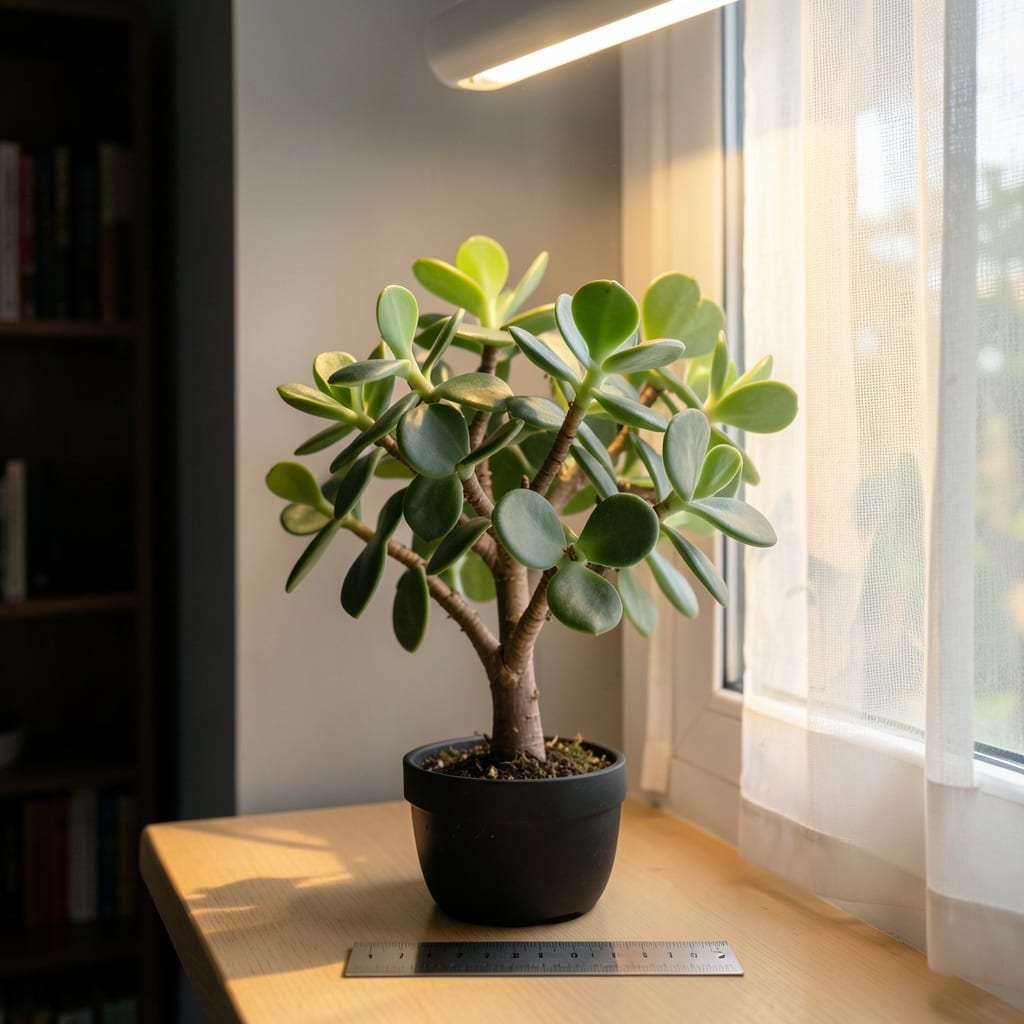
The question of how much light does a jade plant need is the difference between a plump, vibrant 🌿 and a sad, stretched-out shadow of its former self. If you’ve ever watched your jade plant lean dramatically toward the window like it’s reaching for a sunbath, you’re not alone—light is the most critical factor for its health.
Jade plants thrive in bright indirect sunlight, which means they love natural light but can’t handle the harsh glare of midday sun. Too little light, and they’ll grow leggy and weak; too much, and those beautiful leaves can develop unsightly brown spots. The key is finding that sweet spot where your plant gets enough energy to stay lush without getting fried.
Whether you’re dealing with a sunny south-facing window or a dimmer corner, I’ll break down exactly how to position your jade plant for success. You’ll learn how to spot the signs of over- or underlighting and even how to supplement natural light if your space falls short. Let’s get your jade plant glowing again!
From indoor setups to outdoor placements, I’ve got the practical tips you need to keep your 🌿 happy and thriving year-round. No more guesswork—just clear, actionable advice to give your plant the perfect light environment it deserves.


Ideal light requirements for jade plants: bright indirect sunlight explained
Jade plants (Crassula ovata) crave bright indirect sunlight—think of it as their version of a cozy beach vacation. In nature, they grow in sunny, rocky areas where they get dappled shade. This means they need plenty of light to photosynthesize but can’t handle the intense, direct rays that would scorch their leaves. The ideal light intensity for jade plants falls between 3,000–4,000 lux, which is roughly the brightness of a well-lit office space.
For reference, a south-facing window typically provides the most light, but even there, your jade plant should be placed 3–6 feet away to avoid leaf burn. If you’re unsure about your space’s light levels, a simple light meter app on your phone can help you gauge the exact lux reading. Most smartphones have ambient light sensors that can give you a rough estimate—aim for the higher end of that 3,000–4,000 lux range for the best results.
When it comes to duration of light exposure, jade plants thrive with 4–6 hours of sunlight per day. This can be split into morning sun (which is gentler) and afternoon shade. If your plant is getting less than 4 hours, it may start to etiolate, or stretch out, as it reaches for more light. On the flip side, if it’s exposed to harsh afternoon sun (especially between 12 PM and 4 PM), those beautiful leaves can develop brown, crispy patches from sunburn.
🌱 Jade Plant Light Requirements Summary
| Requirement | Specification |
|---|---|
| Light Intensity | 3,000–4,000 lux (bright indirect) |
| Daily Duration | 4–6 hours of sunlight |
| Best Window Placement | East or west-facing, 3–6 ft from glass |
| Morning Sun Tolerance | High (gentle rays) |
| Afternoon Sun Risk | High (leaf burn) |
| Signs of Underlighting | Leggy growth, pale leaves |
| Signs of Overlighting | Brown spots, crispy edges |
Now, let’s talk about seasonal adjustments, because your jade plant’s light needs can shift depending on the time of year. In summer, when the sun is at its strongest, you might need to move your plant further from the window or even provide afternoon shade with a sheer curtain. Conversely, in winter, when natural light is scarce, you may need to supplement with a grow light to maintain those 4–6 hours of exposure. A simple LED grow light on a timer can work wonders for keeping your plant happy during the shorter days.
One of the most common mistakes I see is assuming that more light is always better. While jade plants love light, they’re not desert cacti that can handle scorching heat. If you notice your plant’s leaves turning yellow or brown along the edges, it’s a clear sign of too much direct sun. On the other hand, if your plant starts to stretch and look leggy, with long, thin stems and small leaves, it’s begging for more light. These visual cues are your plant’s way of communicating—pay attention, and you’ll keep it thriving.
For those of you with limited natural light, don’t worry—there are solutions! A south-facing window is ideal, but an east-facing window can work too, especially if you rotate your plant occasionally to ensure even growth. If your space is particularly dim, consider using a reflective surface, like a mirror or white wall, to bounce more light onto your plant. This trick can make a surprising difference in how much light your jade plant receives.
If you’re still struggling to provide enough light, a grow light setup is a game-changer. Even a basic T5 fluorescent grow light placed 6–12 inches above your plant for 12–14 hours a day can mimic natural sunlight. Just
Remember, the goal is to mimic the natural habitat of a jade plant, which is bright but not blistering. Think of it like giving your plant a sunny patio with some shade trees—just enough light to thrive without getting fried. With these tips, you’ll be well on your way to keeping your jade plant looking its best year-round.
Best window locations for jade plants: sunlight by room analysis
Choosing the right window for your jade plant can make all the difference between a thriving succulent and one that struggles to survive. Since jade plants need bright indirect sunlight, not all windows are created equal. A south-facing window typically provides the most intense light, but it’s also where afternoon sun can cause leaf burn. On the other hand, an east-facing window offers gentle morning light that’s perfect for your plant’s needs. Let’s break down the best window options and how to maximize their potential.
If you’re lucky enough to have a south-facing window, place your jade plant 3–6 feet away from the glass to avoid direct afternoon rays. This setup mimics the dappled shade jade plants experience in their natural habitat. For those with west-facing windows, be extra cautious—afternoon sun here is even more intense, so consider using a sheer curtain to diffuse the light. Meanwhile, east-facing windows are ideal because they provide consistent morning light without the risk of overheating.
🌱 Window Light Intensity Rating
For those in low-light spaces, like offices or north-facing rooms, don’t despair. A grow light can be a lifesaver. Place a T5 fluorescent grow light 6–12 inches above your plant and set it to run for 12–14 hours daily. This mimics the natural light cycle and ensures your jade plant gets the 4–6 hours of light it needs. If you’re using a grow light, rotate your plant every few days to prevent uneven growth—just like you would with natural light.
Another clever trick for maximizing light is using reflective surfaces. Place your jade plant near a white wall or mirror to bounce extra light onto the leaves. This can significantly boost the light intensity your plant receives, especially in dimmer corners. You can also try grouping plants together—this creates a microclimate where each plant benefits from the others’ reflected light. It’s like creating a little sunny oasis in your home!
If you’re unsure whether your window provides enough light, do a simple test: Place your hand near the window at noon. If you can comfortably read a book with the light shining on your hand, your window likely provides bright indirect light perfect for jade plants. If the light feels harsh or causes shadows to appear sharp, your plant might need to be moved further back or protected with a sheer curtain. Trust your instincts—your jade plant will thank you for paying attention to these details!
Remember, the goal is to replicate the natural conditions of a jade plant’s habitat. In the wild, they grow in sunny, rocky areas with some shade—think of your window placement as creating that same balance. With the right setup, your jade plant will reward you with thick, vibrant leaves and a sturdy, compact shape that’s the envy of every plant lover. 🌿