
Light Requirements
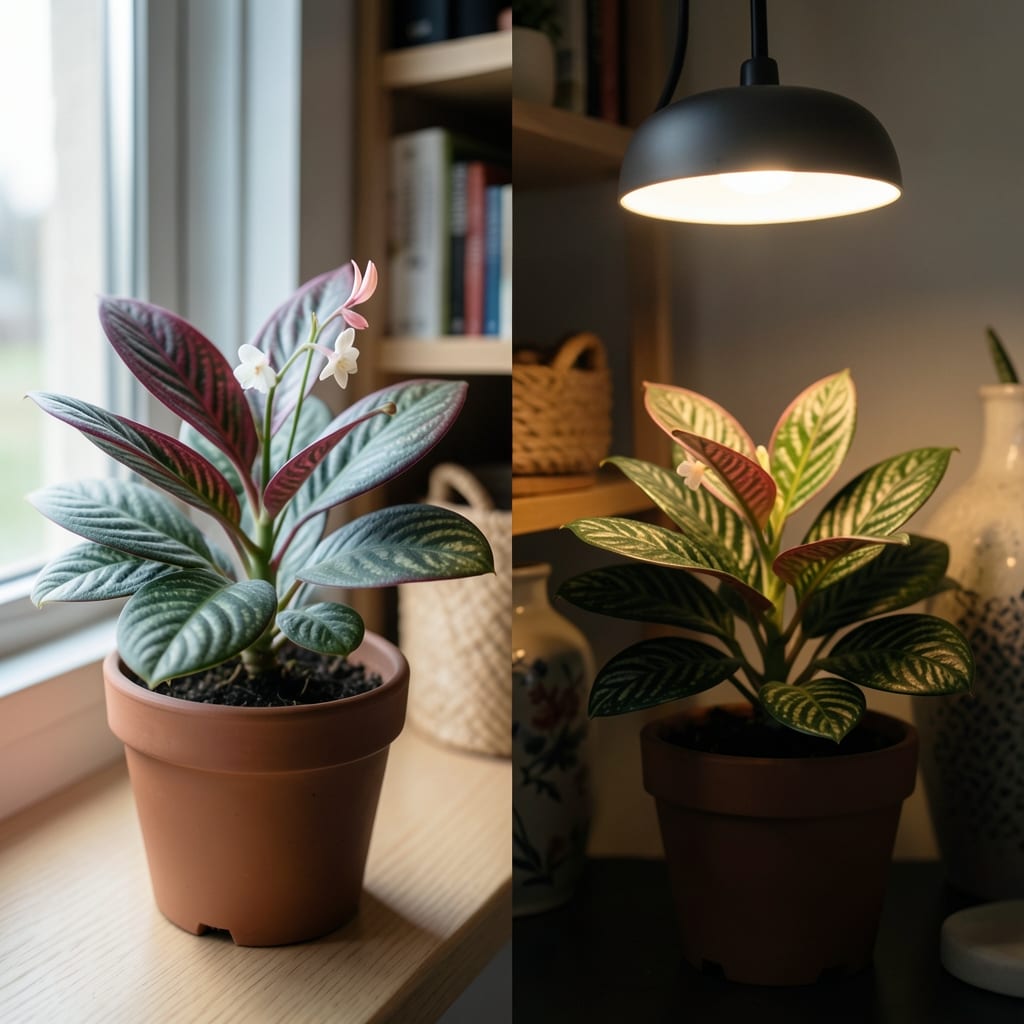
How much light does a prayer plant need? That drooping 🌿 on your windowsill might be begging for the right amount—but too much or too little can turn its stunning foliage into a sad, faded mess. The ideal answer isn’t complicated: your prayer plant thrives in 3-4 hours of bright indirect light daily, mimicking its natural understory habitat.
Direct sun burns its delicate leaves, while dim corners make it stretch leggy and lose its iconic patterns. The key is finding that sweet spot—like an east-facing window where morning rays gently kiss the leaves before fading into afternoon shade.
I’ve helped dozens of plant parents revive their prayer plants by tweaking light exposure, and the results speak for themselves. You’ll learn how to spot the signs of over- or under-lighting, plus seasonal adjustments to keep your plant happy year-round.
Let’s cut through the guesswork so you can give your prayer plant exactly what it needs to stay vibrant, compact, and full of life.
 Best Window Placement
Prayer plant light requirements: the ideal 3-4 hours of bright indirect sun explained
Your Maranta leuconeura thrives in bright indirect light, mimicking its natural understory habitat. This means 3-4 hours of filtered sunlight daily, like dappled shade from tall trees. Direct midday sun will scorch its leaves, while dim corners cause pale, weak growth and faded patterns.
Think of it like a coffee shop patron—your prayer plant enjoys morning sunlight (like a sunlit patio) but needs afternoon shade (like moving indoors). Too much harsh light turns leaves yellow or brown, while too little makes them lose their iconic patterns.
Key light requirements for your prayer plant:
| Requirement | Specification |
|---|---|
| Daily Light Duration | 3-4 hours of bright indirect light |
| Light Intensity | 40% of full sun (like east-facing windows) |
| Direct Sun Tolerance | 0-1 hours max (morning only) |
| Best Window Placement | East or north windows, 3-6 feet away |
| Artificial Light Alternative | Grow lights 12-14 inches away, 10-12 hours/day |
For seasonal adjustments, reduce light exposure in summer months (use sheer curtains) and supplement with grow lights in winter if natural light drops below 3 hours daily. A simple test: If you can read a book comfortably near your plant, it’s getting enough light.
Watch for leaf color changes—yellowing means too much sun, while pale or dull leaves signal insufficient light. The iconic prayer-folding (leaves curling upward) happens naturally at night but should unfold fully by morning in good light.
Pro tip: Rotate your plant quarter-turn weekly to ensure even light exposure on all sides. This prevents lopsided growth and keeps those stunning variegated patterns vibrant. Think of it like giving your plant a gentle sunbath—just enough to glow!
If your prayer plant starts showing brown leaf tips, it’s begging for less direct sun. Move it further from the window or add a light sheer curtain. For pale, stretched leaves, it’s craving more bright indirect light—try a south-facing window with a filter.
Remember, your prayer plant is a tropical understory dweller, so it hates harsh afternoon sun but loves morning rays. Mimic this balance, and you’ll reward it with lush, patterned foliage year-round. 🌿
How to test and adjust your prayer plant’s light conditions at home
Diagnosing your prayer plant’s light needs starts with observing its leaves. Hold a leaf color chart** under your plant—if the leaves look paler than the chart, it’s craving more bright indirect light. Conversely, if they’re yellowing or crispy, you’re overdoing the sun. I’ve seen this mistake countless times—people assume more light is always better, but prayer plants are tropical understory plants that hate harsh exposure.
Try this quick test: Place your hand near your plant. If you feel warmth radiating from the window, it’s likely too intense. Move your plant 3-6 feet back or add a light sheer curtain to diffuse the light. For dim corners, consider a south-facing window with a filter or a grow light 12-14 inches away.
For seasonal adjustments, summer means more indirect light—use curtains or blinds to filter harsh rays. In winter, when natural light drops, supplement with a 10-12 hour grow light (LED bulbs work best). I’ve revived many prayer plants by simply adding a small clip-on light near the plant during short winter days.
Pro tip: Rotate your plant quarter-turn weekly to prevent lopsided growth. Uneven light exposure causes one side to stretch while the other stays compact. This keeps your prayer plant symmetrical and vibrant. Think of it like giving your plant a spa day—equal light on all sides!
If your plant’s leaves fold at night but don’t unfold fully by morning, it’s a light deficiency signal. Boost brightness by moving it closer to a window or adding a reflective surface (like a white wall or mirror) to bounce light onto the leaves. Even a dimmer grow light can make a difference in low-light spaces.
Remember, your prayer plant is not a succulent—it doesn’t crave full sun. The goal is bright but filtered light, like dappled shade under a tree. With these adjustments, you’ll see richer colors and healthier growth in just a few weeks. 🌿