
Light Requirements
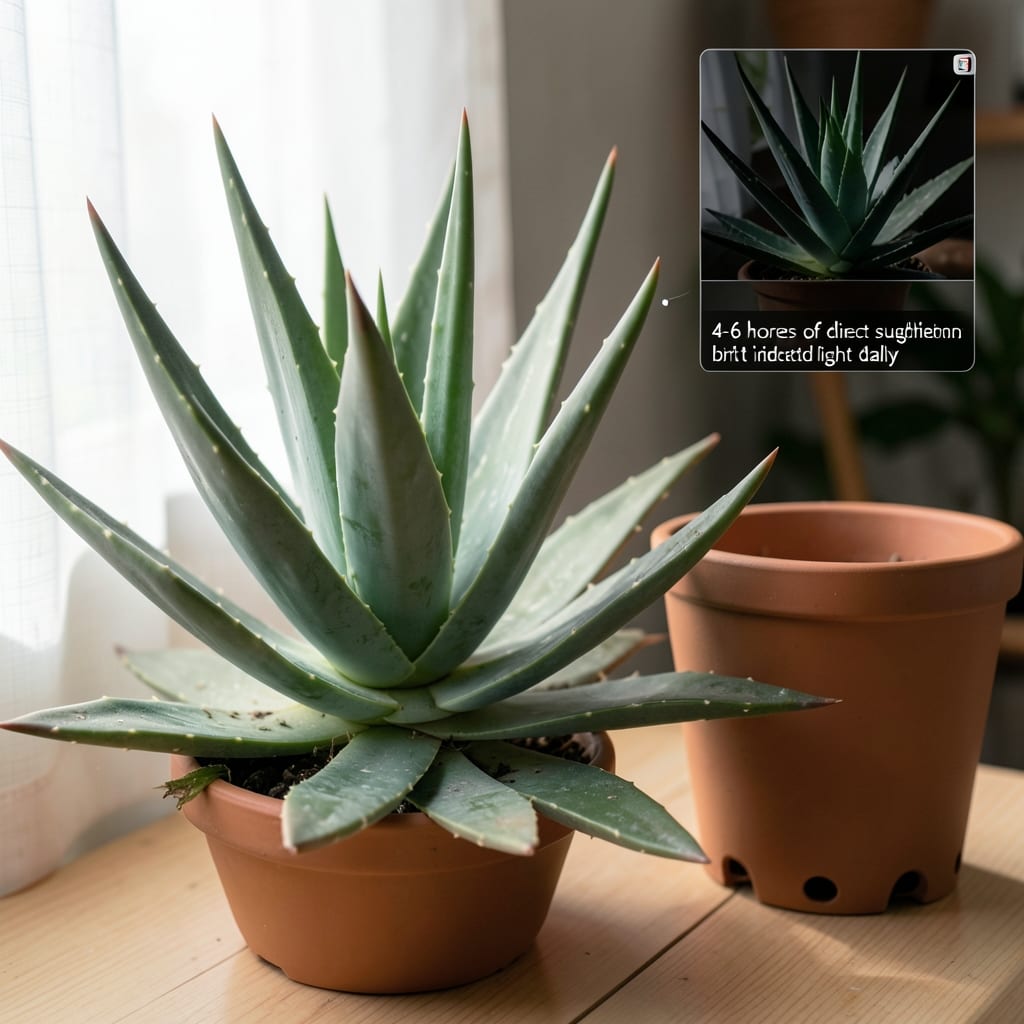
Ideal light requirements for aloe vera plants: sunlight intensity explained
Aloe vera plants thrive under bright indirect sunlight, but they can also handle direct sun exposure in moderation. Native to arid regions, these succulents need 6+ hours of sunlight daily to maintain their vibrant green color and compact growth. Without enough light, they’ll stretch toward the sun—a condition called etiolation, which weakens the plant.
In their natural habitat, aloe vera receives full-spectrum sunlight, including blue and red light wavelengths that boost photosynthesis. Blue light promotes leaf development, while red light triggers flowering. Replicating this balance indoors is key to keeping your aloe vera healthy and thriving.
For outdoor growers, morning sun (8 AM–12 PM) is ideal, while afternoon sun (after 2 PM) can be intense. In hot climates, partial shade during peak hours (11 AM–3 PM) prevents sunburn. If your aloe vera shows brown or crispy leaf tips, it’s getting too much direct sun.
Indoors, place your aloe vera near a south-facing window, where it gets the most light. East or west windows work too, but supplement with grow lights (12–14 hours/day) if natural light is insufficient. Avoid north-facing windows—they provide low light intensity, causing leggy, weak growth.
Seasonal adjustments are crucial. In winter months, when sunlight is weaker, move your aloe vera closer to the window or extend light exposure with a grow bulb. Conversely, in summer, provide afternoon shade to prevent overheating, especially in pots that absorb heat.
🌱 Aloe Vera Light Requirements Summary
| Requirement | Specification |
|---|---|
| Daily Light Hours | 6+ hours |
| Light Type | Bright indirect or direct (mild climates) |
| Best Window Placement | South-facing |
| Indoor Light Source | Grow lights (12–14 hrs/day) |
| Seasonal Adjustments | Winter: Closer to light; Summer: Afternoon shade |
If your aloe vera isn’t getting enough light, you’ll notice leggy stems and widely spaced leaves. This is a sign of etiolation, where the plant stretches toward light sources. To fix this, rotate the pot weekly for even growth and move it to a brighter spot. A grow light with a 6500K color temperature mimics natural sunlight and is perfect for indoor aloe vera care.
On the flip side, too much direct sun causes sunburn, visible as white or brown patches on leaves. If this happens, move your aloe vera to a shadier spot or provide light shade cloth (30–50% coverage). In extreme heat, water slightly more frequently to help the plant cope with stress.
For optimal growth, aim for a balance of light and indirect exposure. Outdoors, a partial shade structure during summer afternoons works wonders. Indoors, a south-facing window with a sheer curtain filters harsh rays while still providing ample light. Consistency is key—aloe vera prefers stable light conditions over sudden changes.
Pro tip: Use a light meter (10,000–15,000 lux range) to measure your aloe vera’s light exposure. This helps you fine-tune placement for ideal growth conditions. Most succulents thrive at 10,000–15,000 lux, so aim for that range to keep your aloe vera happy and healthy.
🌿
How to provide perfect light for aloe vera: indoor vs. outdoor solutions
Indoor aloe vera care starts with window placement. A south-facing window provides the brightest indirect light, ideal for aloe vera. If your home lacks south-facing windows, east or west exposures work too—just rotate the pot quarter-turn weekly to prevent uneven growth. Without natural light, grow lights become essential, especially in north-facing rooms where sunlight is scarce.
For outdoor growing, aloe vera thrives in full sun (6+ hours/day), but afternoon shade (1–3 PM) prevents sunburn in hot climates. In Zone 6 and warmer, morning sun paired with afternoon shade mimics their natural desert habitat. If your aloe vera shows brown leaf tips, it’s getting too much direct sun—move it to partial shade immediately.
🌱 Light Source Comparison
| Source | Light Intensity | Best For | Pros | Cons |
|---|---|---|---|---|
| South Window | 10,000–15,000 lux | Indoor aloe vera | Free, natural spectrum | Limited in winter |
| LED Grow Light | 8,000–12,000 lux | North windows, winter | Adjustable spectrum, energy-efficient | Upfront cost (~$50–$100) |
| Outdoor Sun | 15,000–20,000 lux | Patio, balcony | Full spectrum, no cost | Risk of sunburn |
| Fluorescent Light | 5,000–8,000 lux | Budget-friendly backup | Cheaper than LED | Weaker spectrum, less efficient |
If you’re using grow lights, opt for full-spectrum LEDs (6500K color temp), which mimic natural sunlight. Place the light 6–12 inches above the plant and run it for 12–14 hours/day to replicate a full day cycle. For indoor setups, a timer switch automates this, ensuring consistency. Avoid incandescent bulbs—they emit too much heat and the wrong light spectrum for aloe vera.
Outdoor growers should monitor seasonal changes. In summer, provide afternoon shade (30–50% coverage) to protect leaves from UV damage. In winter, move potted aloe vera closer to south-facing walls or use a reflective surface (white paint) to bounce extra light onto the plant. This maximizes weak winter sunlight and prevents etiolation.
For troubleshooting, check your aloe vera’s leaves weekly. Pale or yellow leaves signal insufficient light, while brown patches mean too much sun. Adjust placement gradually—aloe vera adapts best to slow light changes. If your plant is stretching upward, it’s begging for more light. Rotate the pot and move it closer to the light source immediately.
🌿