
How To
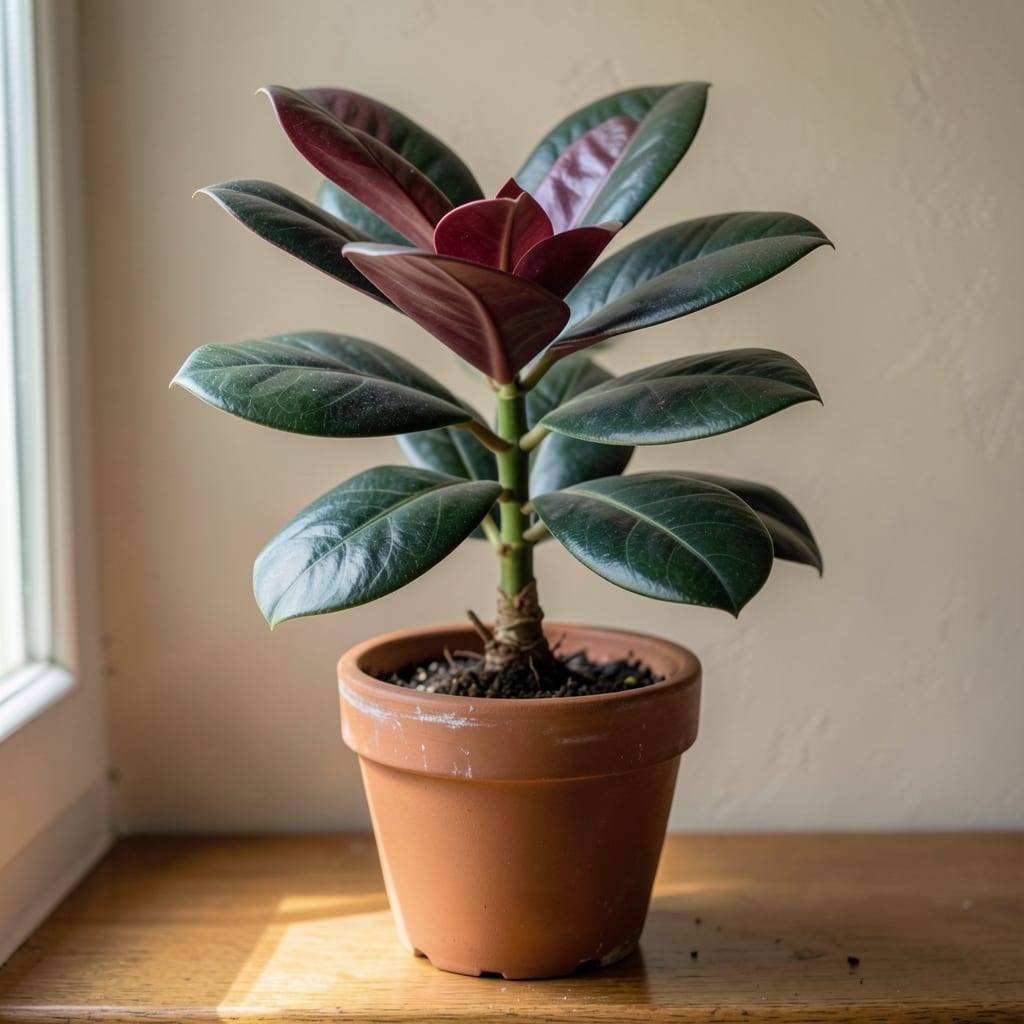
Figuring out how much light for rubber plant success can feel like guessing—too little, and your 🌿 grows leggy; too much, and those glossy leaves turn crispy. The sweet spot? Bright, indirect light for about 4 to 6 hours daily, but getting it right depends on where you live and how your home’s light behaves.
Rubber plants are tough, but even they need the right conditions to thrive. Without enough light, they stretch toward windows like a sleepy cat reaching for sunbeams, while too much direct sun can leave them with unsightly brown patches. The key is balancing their love for brightness with protection from harsh rays.
In this guide, I’ll break down exactly how to measure and adjust light for your rubber plant—whether you’re dealing with a dim corner or a south-facing window that’s too intense. You’ll learn how to spot the signs of light stress and tweak your setup for lush, healthy growth all year round.
No more guessing games. By the end, you’ll know exactly how to give your rubber plant the perfect light conditions—so it stays vibrant, strong, and ready to be the showstopper of your space. Let’s get started!

Optimal light requirements for rubber plant growth: hours and intensity breakdown
Your rubber plant (Ficus elastica) thrives on bright indirect light, but the exact hours per day depend on its growth stage. Seedlings need 4 hours daily, while mature plants can handle up to 6 hours—but never direct midday sun. Think of it like giving your plant a sunbath without the risk of a sunburn.
The ideal light spectrum mimics dappled forest light, where sunlight filters through leaves. This means placing your plant near a window with sheer curtains or using a light diffuser. Without this balance, you’ll see signs like yellowing leaves (too little light) or brown leaf edges (too much).
Seasonal changes also affect light needs. During winter months, days are shorter, so supplement with a grow light for 6–8 hours daily. In summer, move your plant away from south-facing windows to avoid leaf scorch. Rotate the pot every few weeks to ensure even growth.
| Growth Stage | Light Type | Hours Per Day | Distance from Window |
|---|---|---|---|
| Seedling | Bright Indirect | 4–5 hours | 3–4 feet |
| Mature Plant | Bright Indirect | 5–6 hours | 2–3 feet |
| Flowering (Rare) | Bright Indirect + Supplemental | 6–8 hours | 1–2 feet (with diffuser) |
If your rubber plant is near a west-facing window, it’ll get intense afternoon light, which can cause leaf burn. Use a sheer curtain or move the plant 6 inches back from the glass. East-facing windows are ideal because they provide gentler morning light, perfect for steady growth without risk.
For indoor growers, LED grow lights are a game-changer in low-light spaces. Place them 12–18 inches above the plant and run them for 12–14 hours daily to mimic natural daylight cycles. Brands like Spectrum or Philips offer affordable options with adjustable spectra for leafy greens.
Outdoor rubber plants can handle partial shade but avoid deep shade, which slows growth and causes pale, weak stems. If you’re growing one outside in USDA Zone 6a, bring it indoors before the first frost (October 15) to protect it from cold snaps.
Pro tip: Use a light meter (or your phone’s lux app) to measure light levels. Aim for 1,000–2,000 lux for optimal growth. If readings drop below 500 lux, supplement with artificial light immediately to prevent etiolation (those sad, stretched stems).
Remember, rubber plants are adaptable, but they’ll always reward you with glossy, vibrant leaves when given the right light. Start with these guidelines, observe your plant’s response, and adjust as needed—your rubber plant will thank you with healthy, rapid growth.
How to adjust light for rubber plants in different home environments
Not all homes offer the same lighting conditions, and your rubber plant’s needs change based on where you place it. In a low-light apartment, for example, you’ll need to get creative with placement and supplements, while a sunroom might require shade solutions to prevent leaf burn. The key is understanding how your space’s natural light behaves throughout the day.
Start by evaluating your home’s light sources. East-facing windows provide gentle morning sun—ideal for rubber plants—while west-facing windows offer intense afternoon light that can scorch leaves. South-facing windows? Those are the most powerful and often need diffusing. If your only option is a north-facing window, you’ll likely need artificial light to compensate.
For indoor growers, supplemental grow lights are a game-changer during winter months when daylight is scarce. A LED grow light with a 12-hour daily cycle can mimic natural light, ensuring your rubber plant gets the 4-6 hours of brightness it craves. Place it about 12-18 inches above the plant for optimal coverage.
Light Adjustment Guide
- Bright indirect light boosts growth rate
- East/west windows prevent leaf scorch
- Grow lights extend winter daylight
- Sheer curtains diffuse harsh afternoon sun
- Direct sun causes brown leaf tips
- North windows require artificial light
- Overwatering in low light causes root rot
- Leggy growth from insufficient brightness
If your rubber plant is near a window but leaves are still pale or stretched, it’s likely not getting enough light. Move it closer to the glass (but avoid direct sun) or add a reflective surface like a mirror behind the pot to bounce extra light onto the leaves. For outdoor setups, partial shade cloth (30-50% coverage) works wonders in protecting plants from harsh midday rays.
Don’t forget about seasonal adjustments! In summer, your rubber plant may need afternoon shade to prevent heat stress, while winter might require moving it to a sunnier spot or introducing grow lights. The goal is consistency—your rubber plant thrives when it receives steady, bright indirect light year-round, with minimal fluctuations.
With these adjustments, you’ll create the perfect light environment for your rubber plant, whether you’re working with a dim corner or a sun-drenched sunroom. The result? A plant that stays vibrant, grows strong, and becomes the stunning focal point you’ve always wanted. 🌿