
Light Requirements
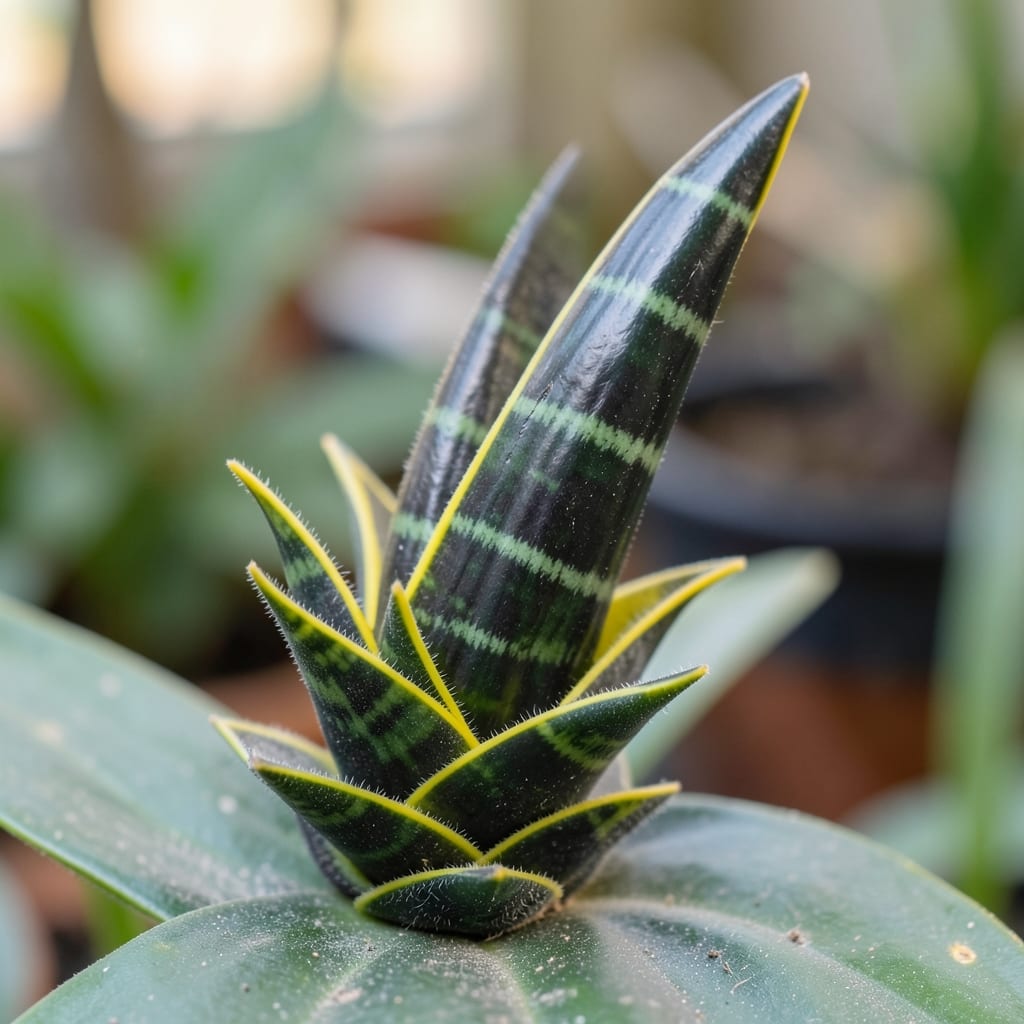
Snake plant light requirements: the ideal spectrum for healthy growth
Snake plants (Sansevieria trifasciata) are famous for their low-maintenance nature, but their light needs are the real secret to their success. Unlike fussy houseplants, they adapt to bright indirect light, low-light offices, and even artificial lighting—but each condition affects their growth rate, leaf color, and variegation differently. Understanding these nuances helps you avoid yellowing leaves or stunted growth while maximizing their iconic arching foliage and air-purifying benefits.
At their core, snake plants thrive in 20-50% light intensity, making them ideal for north-facing windows, bathrooms, or bedrooms. Their CAM photosynthesis (Crassulacean Acid Metabolism) allows them to store energy during the day and process it at night, which is why they tolerate low-light conditions better than most plants. However, pushing them into direct sunlight or deep shade triggers stress responses—like brown leaf tips or pale, stretched growth—that even experienced gardeners overlook.
Here’s the breakdown of how light intensity impacts your snake plant’s health, from dim corners to sunny windowsills. The key is finding the sweet spot where your plant stays vigorous, not just surviving.
Bright indirect light (20-50%) is the gold standard for snake plants, producing bold, upright leaves with distinct variegation. Place your plant 2-5 feet from a north- or west-facing window to mimic this condition indoors. If you notice pale, elongated leaves, it’s a sign your plant is stretching toward light—time to move it closer to a window or add a grow light. Conversely, dark green leaves with no stripes mean it’s underlit, but don’t panic: snake plants won’t die in low light—they’ll just grow slower.
Direct sunlight is the biggest enemy of snake plants, causing leaf scorch and brown tips within weeks. If your plant is near a south-facing window, rotate it quarter-turns every 2 weeks to prevent uneven sun exposure. Outdoors, they tolerate partial shade but avoid midday sun, especially in hot climates where temperatures exceed 90°F. Even in low-light conditions, snake plants survive—but they’ll reward you with faster growth and brighter foliage when given moderate light.
Pro tip: Variegated snake plants (like Sansevieria 'Futura Superba') need more light than solid-green varieties to maintain their striking patterns. Without enough light, their yellow edges fade, making them look dull. If you’re growing a variegated type, aim for at least 4 hours of indirect light daily to keep those show-stopping stripes vibrant.
One common misconception is that snake plants don’t need light at all—they’re often called the "mother-in-law’s tongue" for their ability to thrive in neglected corners. While true, minimal light leads to slow growth and weaker roots. Think of light as fuel: the more you provide (within reason), the healthier and more resilient your plant becomes. Even in artificial lighting, snake plants can grow under LED bulbs (like full-spectrum grow lights) if natural light is unavailable.
To test if your snake plant is getting the right amount of light, check its leaves weekly. Healthy leaves should be upright, firm, and uniformly colored. If you see curling edges, it’s too dry (or too much light). Yellow leaves signal overwatering in low light. Adjust placement gradually—sudden changes can shock the plant—until you find the perfect balance for your home.
Remember, snake plants are forgiving, but they’re not indestructible. The ideal light spectrum is bright indirect, but they’ll adapt to almost any condition. With the right placement, your snake plant will reward you with years of lush, low-maintenance growth—and maybe even pups (baby plants) to share with friends.
3 Low-light conditions where snake plants actually thrive (and how to spot overlighting)
Snake plants are famous for surviving in spaces where most plants would struggle—like dim offices or bathrooms. But even they have limits! In low-light conditions, they’ll grow slower but stay healthy, while overlighting causes brown tips and crispy edges. Let’s break down where they thrive and how to spot trouble.
First, north-facing windows provide the perfect bright indirect light—ideal for snake plants. These windows offer gentle morning sun without harsh afternoon rays. Even 2-4 hours of this light keeps your plant happy, though it’ll survive with less. The key is avoiding direct sun, which can scorch leaves.
Next, offices with fluorescent lighting work surprisingly well. Snake plants adapt to artificial light, making them perfect for cubicles or home workspaces. Just rotate the pot every few months so all sides get equal exposure. Without rotation, leaves may lean toward the light source, creating an uneven growth habit.
| Condition | Light Type | Growth Outcome | Signs of Stress |
|---|---|---|---|
| North-facing window | Bright indirect | Healthy, upright leaves | None (ideal spot!) |
| Office fluorescent lights | Artificial low light | Slower growth, pale leaves | Leaning toward light |
| Bathroom (no window) | Near-zero natural light | Survives but stunted | Yellowing at base |
| South-facing window (direct sun) | Harsh direct light | Brown leaf tips | Crispy, dry edges |
Bathrooms without windows are another story. Snake plants can survive here, but they’ll grow slowly and may develop yellowing at the base from lack of light. If this happens, move the plant to a brighter spot or supplement with a low-watt LED grow light for 4-6 hours daily. Even a small improvement in light can revive a struggling snake plant.
Finally, south-facing windows are the biggest threat. Direct sunlight here causes leaf burn, turning tips brown and crispy. If your snake plant is near a south window, move it 5-6 feet back or use a sheer curtain to diffuse the light. The goal is bright indirect light—never harsh rays.
Watch for these 3 red flags: leaning stems (needs more light), brown tips (too much sun), or pale, stretched leaves (too little light). Adjust placement based on these cues, and your snake plant will reward you with bold, upright foliage for years to come. 🌱