
How To
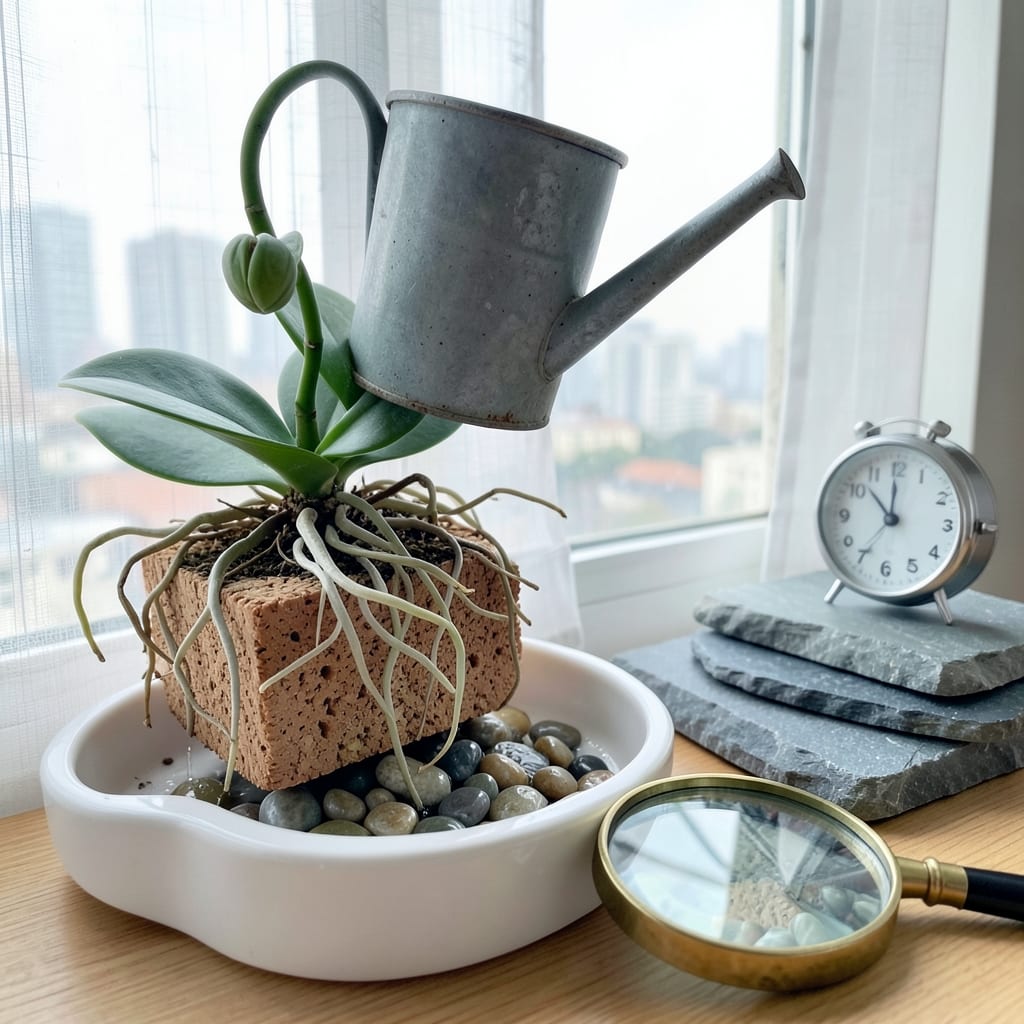
Mastering how often to water mounted orchids can feel like walking a tightrope—one wrong move, and your stunning 🌸 could wither or drown. Unlike their potted cousins, these delicate beauties rely on airflow and precise moisture control to thrive, making their care both rewarding and tricky.
If you’ve ever wondered why your orchid’s leaves look wrinkled or its roots feel squishy, the answer likely lies in its hydration schedule. The good news? With the right approach, you can keep your mounted orchid lush and blooming year-round—no guesswork required. Let’s break down the science behind their watering needs and how to adjust for seasons, humidity, and even your home’s microclimate.
Most growers make one of two mistakes: either drowning their orchids in daily mistings or letting them dry out completely between waterings. The secret? A flexible routine that accounts for temperature swings, humidity levels, and even the type of bark or slab your orchid is mounted on. I’ll show you exactly how to tell when it’s time to water—and when to hold back.
From the sweltering heat of summer to the dry air of winter, your orchid’s needs shift dramatically. By the end of this guide, you’ll know not just how often to water, but how to water in a way that mimics its natural tropical environment—without the risk of root rot or stunted growth. Ready to give your 🌸 the perfect drink?
Optimal watering frequency for mounted orchids by season
Mounted orchids don’t follow a one-size-fits-all watering schedule—they adapt to your local climate, humidity levels, and even the type of bark or slab they’re attached to. Unlike potted orchids, their roots need airflow and quick drying to prevent rot, which means their watering needs shift dramatically with the seasons. Let’s dive into the ideal monthly watering plan to keep your orchid thriving year-round.
The key to success is understanding that humidity and temperature dictate frequency. In high-humidity environments (like a greenhouse or bathroom), you’ll water less often than in dry climates (like a heated home in winter). I’ll break this down by season, so you can adjust your routine without guessing.
For spring and fall, when temperatures are moderate and humidity stabilizes, most mounted orchids thrive on a weekly watering schedule. This is when they’re actively growing but don’t need the same intensity as summer. Use a light misting or soaking method—never let water pool at the base for more than a few hours.
Summer demands the most attention. With rising temperatures and lower humidity, your orchid may need watering every 5-7 days. Watch for signs of thirst like wrinkled leaves or lighter green roots. Early morning is the best time to water, as it allows excess moisture to evaporate before nightfall.
Winter is when many growers overcompensate. Reduced light and dry indoor air mean your orchid can go 4-6 weeks between waterings. Overwatering in winter is a common mistake—stick to a monthly check and only water if the roots feel completely dry to the touch.
🌱 Seasonal Watering Guide for Mounted Orchids
| Season | Frequency | Best Method | Environmental Notes |
|---|---|---|---|
| Spring | Weekly | Mist or soak until roots glisten | Moderate humidity, new growth phase |
| Summer | Every 5-7 days | Deep soak in early morning | High heat, low humidity risk |
| Fall | Bi-weekly | Light misting, check roots | Cooling temps, reduced growth |
| Winter | Monthly or less | Spot-check roots only | Dormancy phase, dry indoor air |
The type of mounting surface also plays a huge role. Orchids mounted on cork bark dry out faster than those on slate or tree fern, which retain moisture longer. If your orchid is on bark, you may need to water 2-3 days more frequently than one on a denser slab.
Pro tip: Rotate your orchid’s position every few months to ensure even exposure to light and airflow. This helps prevent one-sided drying and ensures roots on all sides get consistent moisture. Pair this with a humidity tray nearby (not touching the orchid) to mimic its tropical habitat.
One of the biggest mistakes I see is watering on a schedule without checking. Instead of relying solely on days passed, lift your orchid gently to assess weight—if it feels light, it’s time to water. For mounted orchids, root color is your best indicator: healthy roots should be silver-green when dry and green when moist.
Finally, avoid tap water with high minerals, which can clog root pores. Use rainwater or distilled water instead, or let tap water sit out for 24 hours before using. This small change can double your orchid’s longevity by preventing mineral buildup.
Optimal watering frequency for mounted orchids by season
Mounted orchids don’t follow a one-size-fits-all watering schedule—they adapt to your local climate and indoor conditions. In spring and fall, when temperatures moderate and humidity stabilizes, most growers find a weekly watering works best. During these transitional seasons, your orchid’s roots absorb moisture efficiently, reducing the risk of rot while ensuring consistent hydration.
Summer demands the most attention: every 5-7 days is ideal, especially if your orchid basks in bright, indirect light. The heat accelerates evaporation, so I check my mounted orchids daily by lifting them—if they feel lighter than expected, it’s time to water. A quick soak in the sink (5-10 minutes) mimics tropical rainfall, but always ensure excess water drains completely to prevent soggy bark.
Winter slows everything down. Your orchid’s metabolic rate drops, and monthly watering is often sufficient. Overwatering in cold, dry air can suffocate roots, so I reduce frequency and switch to a light misting instead of soaking. Humidifiers near mounted orchids help recreate their natural habitat during heating-season dry spells.
| Season | Watering Frequency | Key Factors | Best Method |
|---|---|---|---|
| Spring | Weekly | Moderate humidity, new growth | Soak until saturated |
| Summer | Every 5-7 days | High heat, low humidity | Morning mist + soak |
| Fall | Bi-weekly | Cooling temps, stable humidity | Light soak, check roots |
| Winter | Monthly | Dormancy, dry air | Gentle mist only |
Your orchid’s mounting surface plays a surprising role in water retention. Cork bark dries faster than slate, while tree fern slabs hold moisture longer. I test mine by gently tugging—if the orchid resists slightly, it’s hydrated; if it slides easily, it’s time to water. This tactile check eliminates guesswork and prevents both underwatering and overwatering.
Indoor humidity also shifts the schedule. In dry climates (under 40% humidity), I water 2-3 days earlier than the table suggests. A simple hygrometer near your orchid’s display area helps track these fluctuations. Pair it with a pebble tray under the mount to add subtle moisture without direct contact.
Pro tip: Rotate your orchid’s position every few months to ensure even water distribution. Roots on one side may dry faster if exposed to more airflow or sunlight. This small habit prevents uneven hydration and keeps your orchid’s growth balanced and symmetrical.