
Flowers
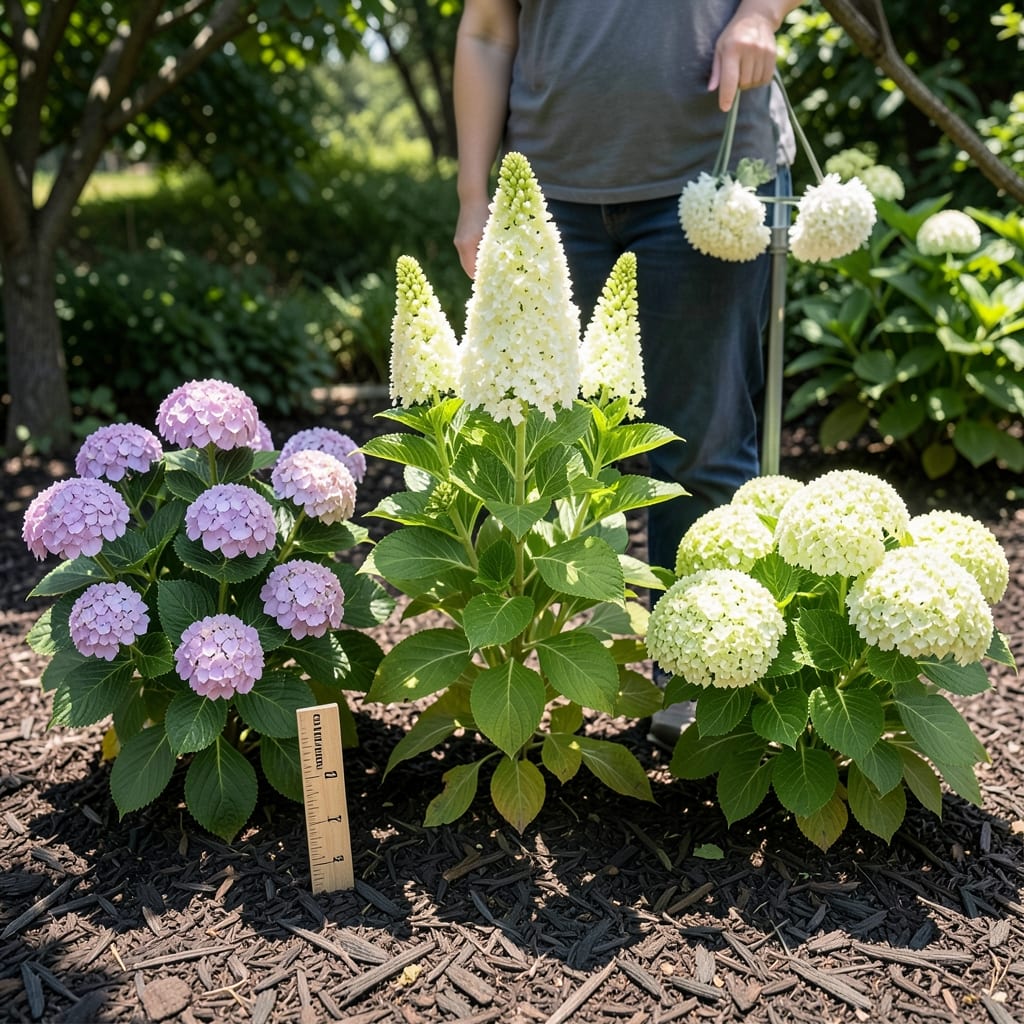
Wondering how tall and wide do hydrangeas grow before you commit to planting? These stunning 🌸 shrubs can be both a garden centerpiece and a space hog—depending on the variety and care you provide.
Some hydrangeas stay compact, perfect for small gardens or containers, while others can tower over 6 feet and spread just as wide. The key? Understanding your specific type—whether it’s the classic mophead or the tall panicle variety—and how sunlight and pruning shape their growth.
In this guide, I’ll break down exact size ranges for popular hydrangeas, from dwarf varieties that fit tight spaces to giants that need room to thrive. You’ll also learn how to control their size with simple pruning tricks and sunlight adjustments.
Ready to plan your perfect hydrangea? Let’s dive into the numbers so you can visualize their mature beauty—and avoid planting surprises.


Hydrangea size guide: exact height and width by popular variety
Hydrangeas aren’t one-size-fits-all—some varieties stay petite enough for container gardens, while others become towering backyard statement pieces. The mature height and width depend on the species, but even within types, growth habits can shift based on care. For example, a mophead hydrangea might reach 5 feet tall in partial shade but stretch to 6 feet in full sun.
To help you visualize, I’ve organized the most popular hydrangea varieties by their typical mature size, including dwarf options for small spaces and giants for bold landscaping. Whether you’re planning a foundation planting or a container display, knowing these dimensions will save you from overcrowding or underwhelming results.
Below, you’ll find a comparison table of 12+ varieties, complete with their height ranges, spread width, and ideal spacing for planting. Pro tip: Always leave 1-2 feet extra between plants if you plan to prune aggressively—hydrangeas reward generous space with bigger blooms.
| Variety | Height (ft) | Width (ft) | Ideal Spacing (ft) | Notes |
|---|---|---|---|---|
| Hydrangea macrophylla (Mophead) | 3–5 ft | 3–5 ft | 4–5 ft | Classic blooms; thrives in shade |
| Hydrangea macrophylla (Lacecap) | 2–4 ft | 2–4 ft | 3–4 ft | Delicate flowers; compact growth |
| Hydrangea paniculata (Limelight) | 6–8 ft | 5–6 ft | 6–8 ft | Tallest variety; loves sun |
| Hydrangea arborescens (Annabelle) | 3–5 ft | 3–4 ft | 4–5 ft | Drought-tolerant; white blooms |
| Hydrangea arborescens (Incrediball) | 3–4 ft | 3–4 ft | 3–4 ft | Dwarf variety; great for containers |
| Hydrangea quercifolia (Oakleaf) | 4–6 ft | 4–6 ft | 5–6 ft | Stunning fall foliage; slow grower |
| Hydrangea petiolaris (Climbing) | 20–30 ft (vines) | 3–5 ft (spread) | Plant near trellis | Needs support; aggressive climber |
| Hydrangea serrata (Mountain) | 2–3 ft | 2–3 ft | 3 ft | Smallest variety; shade lover |
| Hydrangea paniculata (Little Lime) | 3–4 ft | 3–4 ft | 3–4 ft | Dwarf panicle; bright lime blooms |
| Hydrangea macrophylla (Endless Summer) | 3–5 ft | 3–5 ft | 4–5 ft |
How sunlight and soil affect hydrangea growth: what to expect in shade vs. full sunSunlight and soil conditions can change your hydrangea’s mature size by 30-50%. For example, a Limelight panicle hydrangea might reach 6-8 feet in full sun but stay under 5 feet in partial shade. The same goes for soil—acidic soil (pH 5.5-6.0) boosts blooms while alkaline soil (pH 7.0+) can stunt growth and reduce flower size. Let’s break down how these factors influence your hydrangea’s height and spread, so you can adjust care for the perfect-sized shrub. Understanding these dynamics will help you avoid overcrowding or underwhelming blooms.
💡
Sunlight & Soil Impact on Hydrangea Growth
Full Sun (6+ hours/day)
✅ Encourages taller growth in panicle and oakleaf varieties ⚠️ Can scorch macrophylla (mophead/lacecap) leaves in hot climates 🌱 Best for: Limelight, Little Lime, Firelight
Partial Shade (4-6 hours/day)
✅ Ideal for macrophylla varieties (e.g., Endless Summer) 🌿 Prevents leaf burn and maintains compact growth 💧 Requires consistent moisture in shade
Soil pH: Acidic (5.5-6.0)
🔵 Produces blue blooms in macrophylla types 🌱 Encourages larger, lush foliage 💡 Test soil with a pH kit ($10 at garden centers)
Soil pH: Neutral/Alkaline (6.5+)
🟣 Produces pink blooms in macrophylla types ⚠️ Can reduce flower size by 30-40% 🔄 Amend with sulfur or peat moss to lower pH Take the Endless Summer hydrangea as an example: in morning sun with afternoon shade, it typically grows 4-5 feet tall and 3-4 feet wide. But place it in full sun without extra water, and it may stretch to 6 feet tall while struggling to bloom. The key is matching your variety’s needs to your garden’s conditions. For panicle hydrangeas like Limelight, full sun actually enhances their height—they can reach 8 feet or more—while oakleaf hydrangeas thrive in partial shade and stay 4-6 feet tall. Always check your specific variety’s sunlight preferences before planting. Soil drainage is another game-changer. Hydrangeas hate soggy roots, which can stunt growth or cause root rot. Amend heavy clay soil with compost or perlite to improve aeration. Well-draining soil ensures your hydrangea allocates energy to blooms and foliage instead of struggling to survive. Pro tip: If your hydrangea isn’t growing as expected, check these three factors first—sunlight, soil pH, and drainage. A simple soil test and light audit can save you from over-pruning or over-fertilizing a plant that just needs better conditions. Adjusting these elements can make a 3-foot difference in mature height! |