
How To
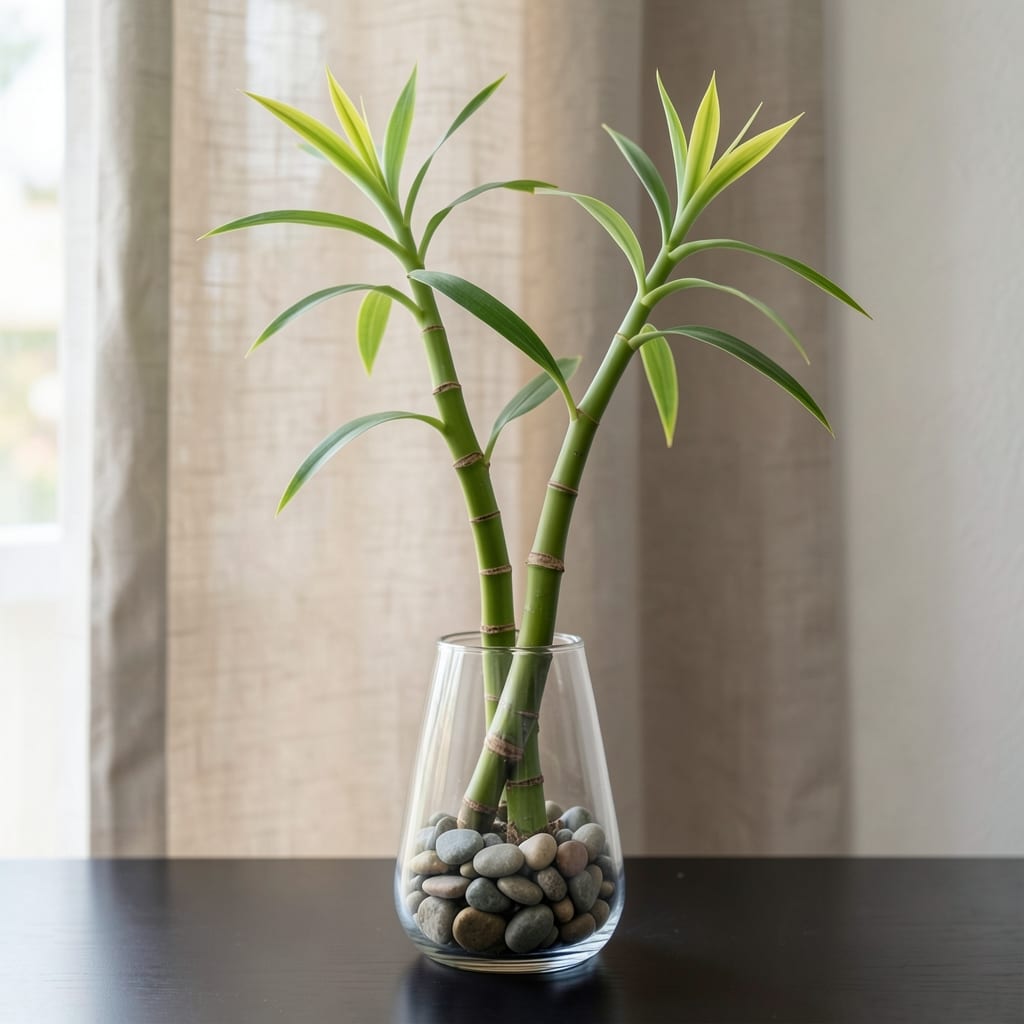
Watching the tall bamboo grow 🌿 12 inches in a single day might seem like magic—but it’s just nature’s way of growing fast. If you’re curious about how tall bamboo can grow and which varieties hit 30 feet in just a few years, you’re in the right place.
Not all bamboo grows at the same speed or reaches the same height, and knowing the differences is key to planning your garden. Some species can tower over your house, while others stay compact—so let’s break down the fastest-growing types and what makes them shoot up so quickly.
From tropical climates to cooler zones like USDA 6a, bamboo thrives under the right conditions. We’ll cover how soil, sunlight, and even pruning can control its explosive growth—so you can enjoy its beauty without losing your yard to it.
Ready to discover which bamboo varieties will give you the biggest height jumps and how to manage them? Let’s dive in and turn your garden into a lush, fast-growing oasis.


Fastest-growing bamboo species and their annual height increases
If you’ve ever wondered how tall bamboo grows in just a few years, the answer lies in its annual height jumps. Some varieties can shoot up 3-5 feet per year, while others reach 10 feet in a single season under ideal conditions. The fastest-growing types belong to the running bamboo category, which spreads aggressively through underground rhizomes. These are the varieties that will transform your garden the quickest—if you’re ready for it!
For most gardeners, the Phyllostachys aureosulcata (Golden Groove Bamboo) steals the show. This running bamboo can grow 3-5 feet per year and reach 50-60 feet tall in ideal conditions. It’s a favorite for privacy screens but requires root barriers to control its spread. Meanwhile, Bambusa vulgaris (commonly called Giant Timber Bamboo) is another speedster, growing 4-6 feet annually and maturing at 60-80 feet.
Don’t overlook Dendrocalamus asper, a tropical powerhouse that can grow 5-7 feet per year and top out at 70-100 feet. It thrives in warm climates and is often used for construction and scaffolding due to its rapid growth and strength. Even clumping bamboo varieties like Fargesia robusta can surprise you with 2-4 feet of growth per year, though they stay shorter at 10-15 feet.
Here’s the kicker: soil quality and sunlight can double or even triple these growth rates. In USDA zones 7-10, bamboo grows faster due to longer growing seasons. But in cooler zones like 6a, growth slows significantly, especially in winter. That’s why I always recommend planting in spring—right after the last frost—to give your bamboo a head start.
| Variety | Type | Annual Growth | Mature Height | Notes |
|---|---|---|---|---|
| Phyllostachys aureosulcata | Running | 3-5 ft/year | 50-60 ft | Golden grooves; needs barriers |
| Bambusa vulgaris | Running | 4-6 ft/year | 60-80 ft | Tropical; drought-tolerant |
| Dendrocalamus asper | Running | 5-7 ft/year | 70-100 ft | Fastest grower; strong stems |
| Fargesia robusta | Clumping | 2-4 ft/year | 10-15 ft | Cold-hardy; non-invasive |
| Bambusa multiplex | Clumping | 1-3 ft/year | 15-25 ft | Versatile; ornamental |
If you’re planting bamboo for privacy or windbreaks, the running varieties like Phyllostachys aureosulcata are ideal—they’ll create a dense screen in just a few years. But if you want something low-maintenance and contained, clumping bamboo like Fargesia is the way to go. These stay compact and won’t take over your yard.
One thing I’ve learned from my own bamboo experiments? Pruning in late winter can encourage faster growth in the following season. Simply cut back dead or weak canes to redirect energy into new shoots. Just avoid pruning in summer, as this can stress the plant and slow down its growth spurt.
For those in cooler climates, don’t be discouraged—bamboo still grows, just at a slower pace. In USDA zone 6a, expect 1-2 feet of growth per year instead of 3-5. But with the right mulching and winter protection, you can still get impressive height gains over time. Patience is key!
How to estimate bamboo growth in your climate and soil conditions
Bamboo’s growth rate isn’t just about the species—your local climate and soil conditions play a huge role in how tall it grows each year. In tropical zones, some varieties can shoot up 3 feet monthly, while cooler USDA 6a zones might see only 1-2 feet annually. Understanding these factors helps you set realistic expectations for your garden.
Sunlight is the first factor to consider. Bamboo thrives in full sun (6+ hours daily), but in hot climates like Zone 9-11, partial shade helps prevent stress. Without enough light, growth slows dramatically—sometimes by 50% or more. If your yard gets afternoon shade, choose shade-tolerant varieties like Bambusa multiplex to avoid stunted growth.
Soil pH and drainage are just as critical. Bamboo prefers slightly acidic to neutral soil (pH 6.0-7.5). If your soil is too alkaline (pH 8.0+), growth can stall, and roots may rot. Test your soil and amend it with compost or peat moss to create the ideal environment. Poor drainage is another enemy—waterlogged roots slow growth and invite pests.
Water availability directly impacts height jumps. Bamboo needs 1-2 inches of water weekly, especially during its first 3 growing years. In drought-prone areas, growth can drop by 30-40%. Mulching with wood chips or straw helps retain moisture, while drip irrigation ensures consistent watering without over-saturating the soil.
🌱 Bamboo Growth Factors by Climate Zone
| Factor | Ideal Conditions | Growth Impact |
|---|---|---|
| Sunlight | 6+ hours/day (full sun) | Max height jumps in Zones 8-11 |
| Soil pH | 6.0-7.5 (slightly acidic) | Stunted growth if pH > 8.0 |
| Water | 1-2 inches weekly | 30-40% slower in drought |
| Temperature | 60-90°F (Zones 6-11) | No growth below 40°F |
Temperature also dictates growth speed. In temperate zones (6a-7b), bamboo grows fastest in spring and summer, with height jumps of 2-3 feet per season. Cold snaps (below 40°F) halt growth entirely, while heatwaves (> 95°F) can stress plants, reducing annual gains. If you’re in a cooler zone, choose cold-hardy varieties like Phyllostachys nigra to maximize growth.
Finally, don’t overlook wind exposure. Strong winds can weaken stems, causing them to grow lean or forked, which slows height progression. If your yard is windy, plant bamboo near a windbreak (hedge or fence) to protect it. With the right conditions, even slow-growing varieties can surprise you—some dwarf bamboos reach 8 feet in ideal settings!
By tweaking these factors, you can turn your bamboo’s growth into a predictable (and manageable) process. Start with soil tests, adjust watering, and watch those height jumps soar! 🌳